How Children Learn and Develop: What to Know First
If you want to understand how children grow and learn, the Free Child Development Fundamentals Course with Certificate in South Africa is a great place to start. It explains the basics of child development clearly and is designed for beginners. Knowing how children develop helps parents, caregivers, and educators create the right environment to support each child’s unique growth.

One common beginner concern is figuring out why children behave differently even at the same age. This course helps by breaking down the different stages and domains of development. In many South African classrooms and homes, adults are pressured to support children without clear guidance on what to expect at each stage, so this knowledge is vital and practical.
What Child Development Really Means
Child development is the process by which children grow physically, learn cognitive skills, develop socially and emotionally, and build communication abilities. It’s not just about hitting milestones like walking or talking but includes how a child thinks, feels, and relates to others.
Many people assume all children develop the same way, but that’s a big misconception. Growth often happens in bursts or stages, and some children might take longer in one area without any real problem. Trying to rush or compare kids can lead to unnecessary stress for both learners and caregivers.
The Four Key Developmental Domains
- Physical Development: Gross and fine motor skills like crawling, walking, and handling small objects.
- Cognitive Development: Learning processes including thinking, problem-solving, and memory.
- Social Development: How children interact with peers and adults.
- Emotional Development: Understanding and managing feelings.
Each domain overlaps and influences the others — for example, a child’s ability to communicate (cognitive and language skills) affects social interaction and emotional expression.
Why Does This Matter at Work and Home?
In South African early childhood centres and homes, understanding child development helps avoid common mistakes like expecting a 2-year-old to sit still for hours or forcing spoken language before they’re ready. Caregivers often find themselves juggling many children with different needs, causing confusion and burnout.
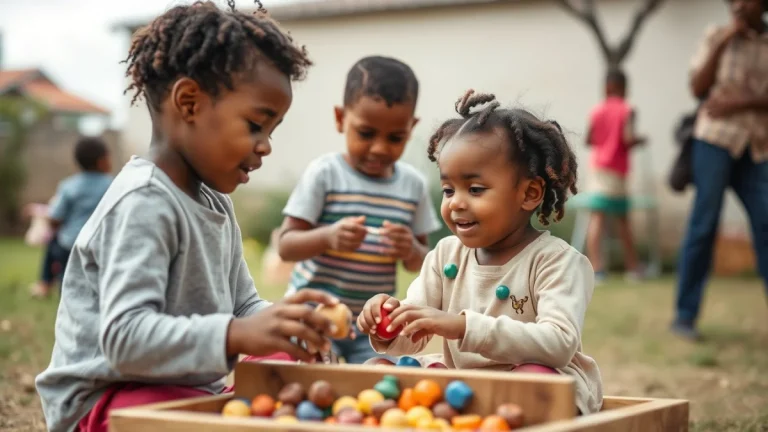
Knowing typical developmental milestones lets carers spot when a child might need extra support or a simple change in approach. For instance, recognising that play is a critical learning tool—not just fun—can shift how you guide children in everyday settings.
Common Misunderstandings
- Misconception: All children develop at the same pace.
Reality: Every child is unique; differences are normal. - Misconception: Development happens smoothly and predictably.
Reality: Children progress in fits and starts, with plateaus or leaps. - Misconception: Good parenting alone solves behavioural problems.
Reality: Child behaviour also reflects their developmental stage and environment.
What Child Development Looks Like in Real Workplaces
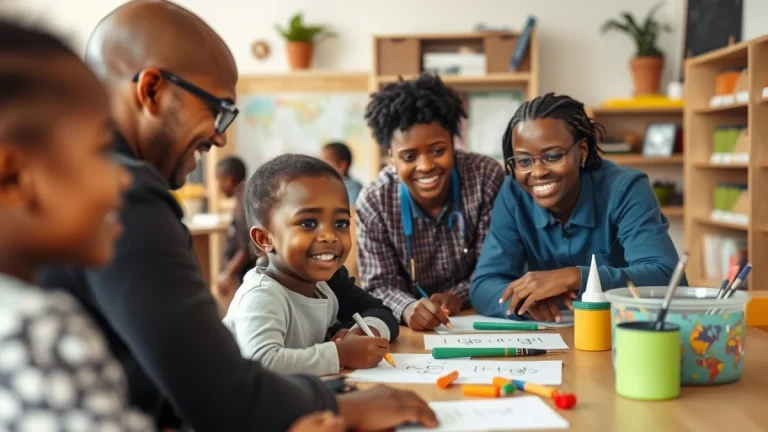
Picture a childcare worker at a busy centre in Johannesburg. They might have to care for toddlers showing different development levels—some just starting to walk, others more fluent in speaking or showing early problem-solving skills. Without clear training, it’s easy to misinterpret a child’s behaviour as ‘difficult’ or ‘delayed’. This leads to stress for caregivers and can affect the quality of support children receive.
The child development fundamentals skills course South Africa provides clear guidance for such situations. For example, it explains how play-based learning works and why it’s essential. This real-world insight helps staff respond appropriately, reducing workplace frustration and improving child outcomes.
One Overlooked Practical Insight
Many beginners focus too much on milestones and forget that the environment is just as important. A child’s early years are shaped by safety, nutrition, stimulation, and emotional support. A warm, predictable setting encourages exploration and confidence, which speeds up healthy development naturally.
At work or home, this means simple changes like creating safe spaces, encouraging children’s choices during play, and giving consistent feedback can have a bigger impact than drilling skills or rushing progress.
Getting Started: Advice for Beginners
- Observe before you intervene: Watch how each child approaches tasks or groups before guiding them.
- Respect individual pace: Avoid comparing children; tailor activities to where they are now.
- Use play as a learning tool: Incorporate toys, stories, and games that develop different skills naturally.
- Focus on communication: Encourage language through everyday conversations and repetitive, simple phrases.
- Keep learning: Ongoing training will help you spot developmental delays early and apply inclusive strategies.