Housekeeping Safety Procedures: What to Know First
If you’re looking for a free housekeeping attendant course with certificate in South Africa, knowing the right safety procedures is a must. Housekeeping work might seem straightforward, but it involves risks from cleaning chemicals, heavy lifting, and busy environments. Learning correct safety steps protects you and guests, keeps the workplace smooth, and shows you take your role seriously.
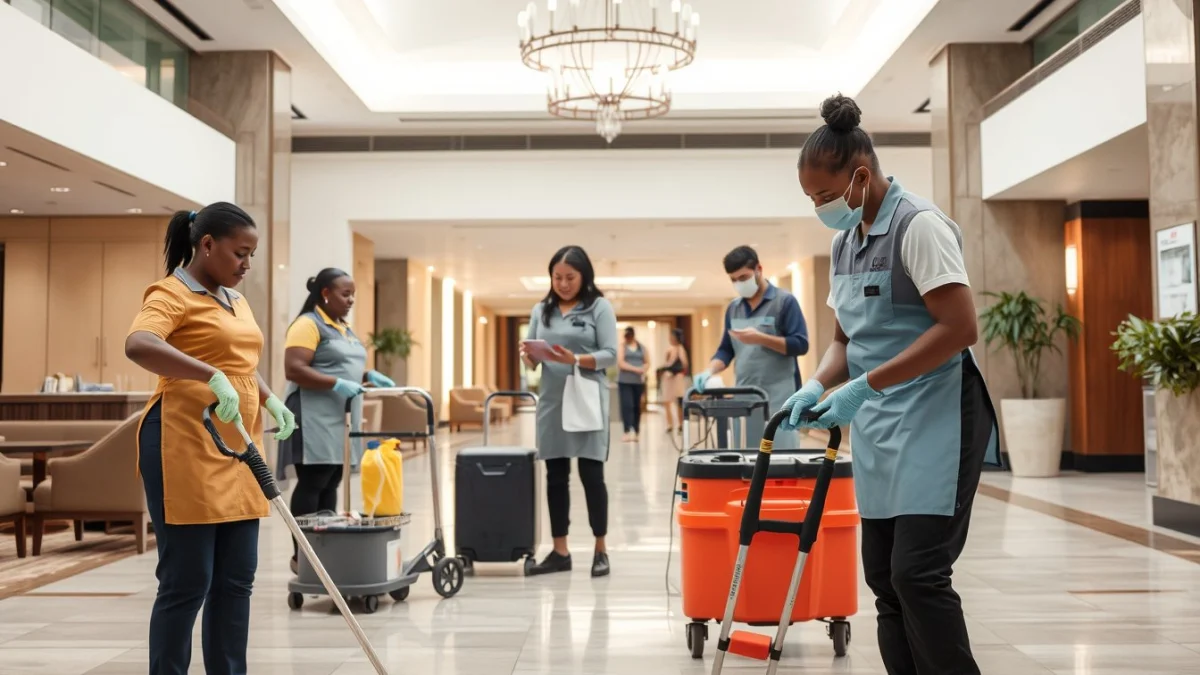
Beginners often think safety means just wearing gloves or wiping surfaces fast. But it’s more—like understanding chemical hazards, spotting trip risks, and handling waste safely. In South African hotels or guesthouses, rushing can lead to spills, injuries, or damaging guest property. That’s why the right training gives you a head start by making safety part of how you work every day.
Why Housekeeping Safety Matters on the Job
Housekeeping attendants face many hazards: slippery floors, broken glass, chemical fumes, heavy laundry bags, and sharp tools. Without proper safety procedures, accidents can happen, causing harm to you or guests and slowing down work. The pressure to finish rooms quickly can tempt attendants to cut corners, but this often ends with extra cleaning or complaints.
Effective safety procedures reduce injuries and keep rooms guest-ready the first time. They also help maintain hygiene standards, which is critical in hospitality. For example, using disinfectants correctly prevents germ spread and cross-contamination, especially in bathrooms and dining areas.
Core Safety Procedures Every Housekeeping Attendant Should Follow
1. Handling Cleaning Chemicals Properly
- Always read labels and follow instructions for dilution and usage.
- Wear the right personal protective equipment (PPE), like gloves and masks, when needed.
- Store chemicals securely, away from public areas and food storage.
- Never mix chemicals—this can create dangerous fumes.
2. Managing Slips, Trips, and Falls
- Use wet floor signs when cleaning to warn others.
- Keep walkways clear of cords, clutter, and equipment.
- Wear slip-resistant shoes suitable for cleaning tasks.
3. Safe Waste Handling
- Sort waste correctly—recyclables separate from hazardous or general waste.
- Use proper bins with lids to prevent spills and smells.
- Dispose of sharp objects like broken glass carefully using designated containers.
4. Ergonomic Practices
- Lift heavy items with your legs, not your back.
- Break down large loads into smaller, manageable parts to avoid strain.
- Use trolleys or carts to transport linens and cleaning supplies.
5. Personal Hygiene and Illness Prevention
- Wash hands frequently, especially after waste disposal and before handling clean linen.
- Report any illness immediately—working while sick risks guests and fellow workers.
- Use clean uniforms daily and change if dirty or contaminated.
Real Workplace Example: What Happens When Safety Is Skipped
Imagine a busy hotel where an attendant rushes to clean rooms before check-in. They ignore wearing gloves and overmix diluted cleaning chemicals to save time. The result? Skin irritation, slow cleaning because of damaged equipment, and even a minor chemical spill. This causes delays and guest complaints. It’s a common scene in understaffed sites without enough training emphasis on safety.
Proper training helps you avoid this by making safety habits automatic. You’ll learn to plan cleaning steps better, keep your supplies organised, and prevent accidents that affect everyone’s day.
Common Misunderstandings About Housekeeping Safety
- “Safety slows me down.” Actually, safety reduces interruptions caused by accidents or needing to redo work.
- “Only big hotels need formal safety training.” Whether guesthouse or hotel, all places require safety awareness to protect staff and guests.
- “Cleaning chemicals are safe if you use gloves.” Gloves help, but incorrect mixing or storage can cause serious hazards.
- “Wearing PPE isn’t necessary for simple tasks.”strong> Some simple tasks still expose you to dust, germs, or chemical residue, so PPE is always recommended.
Beginners: Tips to Build Safe Cleaning Habits
- Always start with a quick workplace safety check—look for hazards before you begin.
- Ask questions if a cleaning product or procedure is unclear.
- Follow your training on how to handle spills or injuries immediately.
- Keep a small first aid kit close or know where the workplace one is located.
- Take short breaks to avoid fatigue, which leads to mistakes.