What Hotel Housekeeping Standards Mean for You
If you’re eyeing a career in hospitality or already working in housekeeping, knowing the hotel housekeeping standards is non-negotiable. This sets the bar for cleanliness, safety, and guest satisfaction. South African hotels expect you to meet these standards every day, and getting them wrong can lead to unhappy guests or even workplace risks.
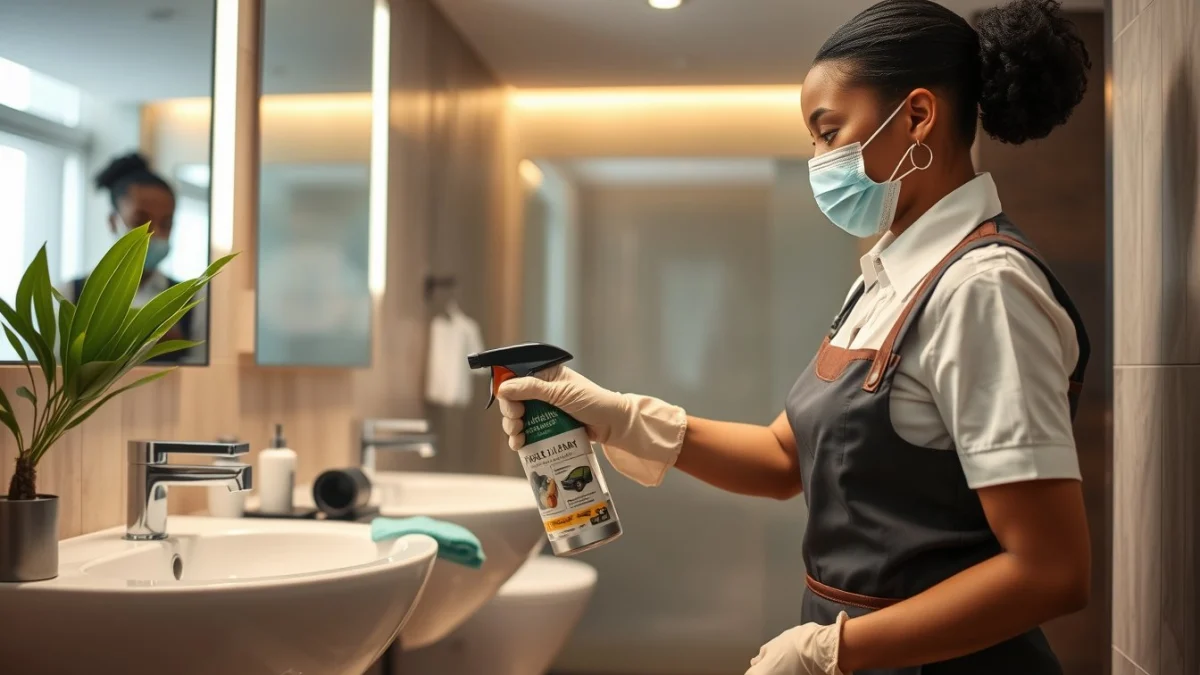
A beginner often struggles with understanding just how strict these standards are and how much detail goes into daily tasks. For example, mixing up cleaning chemicals or missing hidden dirt spots can cause problems. The free housekeeping attendant certificate course with certificate in South Africa helps rookies learn these standards without wasting time on extra fluff.
Key Compliance Requirements in Hotel Housekeeping
Hotel housekeeping standards cover the following compliance areas:
- Cleanliness and Hygiene: Every room, bathroom, and public area must be spotless and sanitized to avoid health risks.
- Health and Safety: Attendants must follow safe handling procedures for cleaning tools, equipment, and chemicals.
- Guest Service: Presenting a tidy environment is essential for guest comfort and satisfaction.
- Waste Management: Proper sorting, disposal, and recycling of waste must be maintained.
- Environmental Care: Use of eco-friendly products and waste reduction is part of modern housekeeping compliance.
Who Must Follow These Standards?
These standards apply to all housekeeping attendants, cleaners, hospitality trainees, and supervisors working in hotels, lodges, guest houses, and other similar facilities. Whether you’re working full-time, part-time, or as a casual worker, meeting these standards is part of the job.
Responsibilities of a Housekeeping Attendant Regarding Compliance
Meeting hotel housekeeping standards takes constant attention. Your responsibilities include:
- Careful Cleaning: Follow detailed cleaning procedures for rooms, bathrooms, lobbies, and dining areas.
- Safe Use of Chemicals: Know which products to use where and how to store them safely to prevent accidents or damage.
- Maintaining Equipment: Report broken tools and keep equipment clean and ready for use.
- Waste Sorting: Separate recyclables from general waste and dispose of everything properly.
- Communication: Inform supervisors about issues, delays, or guest concerns promptly.
- Following Safety Rules: Wear any required protective gear and stick to workplace health protocols.
Risks of Ignoring Housekeeping Standards
Ignoring these standards isn’t just about dirty rooms. The real risks include:
- Guest Complaints and Negative Reviews: This leads to loss of business and reputation.
- Health Hazards: Cross-contamination or poor hygiene can cause infections or allergic reactions among guests and staff.
- Injuries: Mishandling chemicals or tools can cause accidents.
- Legal Issues: Non-compliance with health and safety regulations can lead to fines for the hotel.
- Job Risk: Consistent failure to meet standards can cost you your job.
For example, a common beginner mistake is using a disinfectant on surfaces that require a milder cleaner, damaging furniture or causing residues that annoy guests. These small errors build up quickly and show poor professionalism.
Best Practices to Meet Hotel Housekeeping Standards
To stay in line with standards and keep guests happy, here’s what works:
- Stick to a Checklist: Follow step-by-step room, bathroom, and public area cleaning routines without skipping tasks.
- Use the Right Tools: Choose appropriate cleaning equipment and keep it well-maintained.
- Train Regularly: Take up housekeeping attendant skills certificate free online courses to keep updated on safety and hygiene practices.
- Handle Chemicals Properly: Read labels, wear gloves, and store products safely.
- Work Efficiently but Thoroughly: Time management helps cover all duties without rushing and missing spots.
- Stay Organized: Keep carts tidy and rooms ready for quick final checks.
- Communicate: Report broken items, guest requests, or safety issues immediately.
- Be Eco-Friendly: Support recycling and use green cleaning choices when possible.
Overlooked Insight:
One practical insight that many beginners miss is the importance of room inspection as part of the cleaning process. After cleaning, a careful check for stains, dust, or misplaced items helps avoid guest complaints. This small step often separates an average attendant from a standout professional.
Real-world Examples of Meeting or Missing Standards
Here’s how standards play out in practice:
- Right Way: A housekeeping attendant enters a room, follows the cleaning checklist, uses the correct chemicals for bathroom sanitation, changes linen carefully, and does a final walkthrough. The guest checks in happy to find a spotless room.
- Wrong Way: Another attendant rushes due to poor time management, misses wiping some surfaces, uses the wrong cleaner on upholstery, and leaves trash bins half-full. This causes complaints and potentially damages hotel ratings.
In busy South African hotels, where guest turnover is high, these differences can impact how quickly you get assigned rooms and positive references from supervisors.
What Beginners Usually Get Wrong
Many newcomers assume that cleaning fast means better performance. But cleaning too quickly often leads to cutting corners—missing dust under beds, ignoring corners, or mixing up cleaning products. This leads to sub-par room readiness and unhappy guests.
Another common mistake is not asking for help or clarification on chemical handling or equipment maintenance until a problem occurs. Remember, safety first and asking questions shows professionalism, not weakness.
FAQs
Who is responsible for enforcing housekeeping standards in hotels?
What happens if a housekeeping attendant doesn’t follow safety procedures?
Are there special courses to learn housekeeping standards in South Africa?
Can housekeeping attendants influence guest satisfaction?
Why Learning These Standards Matters in South Africa
The hospitality sector in South Africa thrives on good service and cleanliness, especially as tourists expect global standards. Housekeeping attendants equipped with workplace housekeeping attendant certificate course free South Africa can confidently meet the expectations of diverse guests.
Many start by juggling high workloads and tight schedules, yet those who master standards efficiently are often chosen for better shifts and jobs in well-known hotels.