How to Clean a Hotel Room Professionally
Knowing how to clean a hotel room professionally is a key skill for any aspiring or current housekeeping attendant. If you’re looking for practical, step-by-step guidance on performing hotel room cleaning that meets industry expectations, this guide is for you. Mastering this task well can boost job readiness and confidence as you work in South Africa’s hospitality sector. Taking a free housekeeping attendant course with certificate in South Africa can help you build the right skills and understand all the details employers expect.
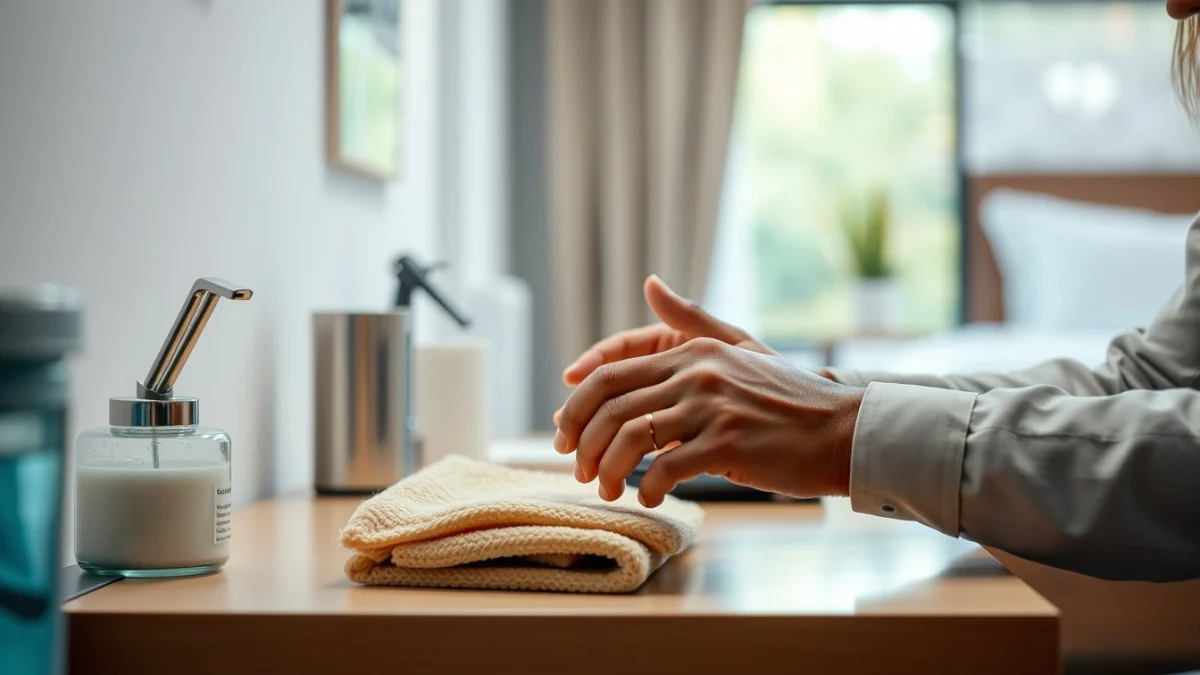
Many beginners get overwhelmed by the pace and thoroughness needed in hotel room cleaning. You might rush to finish rooms quickly, but missing steps like proper linen handling or thorough bathroom disinfection can lead to complaints or job risks. In a busy hotel, attendants juggle multiple rooms, tight deadlines, and guest expectations. Small details like ordering tasks correctly or avoiding cross-contamination make a big difference. Let’s break down the process clearly and highlight what you might overlook at first.
What You Need to Know Before You Start
Cleaning a hotel room is more than just tidying surfaces. It’s about guest safety, comfort, and leaving a spotless, welcoming space. Every task follows a sequence, from removing used linen to disinfecting bathroom fixtures. Missing one step can mean the room isn’t truly clean or ready for the next guest.
Expect to use specific tools like cleaning cloths, disinfectants, and vacuum cleaners. Handling chemicals safely and respecting workplace hygiene protocols is important for your health and the guest’s. South African hotels often follow strict standards, especially for hygiene after recent health concerns, so attention to detail is essential.
A common mistake is starting with surface cleaning and forgetting to empty trash or inspect corners. Also, bed making with dirty linens or mixing cleaning cloths between bathroom and bedroom spreads germs. These mistakes reduce cleaning quality and can impact customer satisfaction and job security.
Step-by-Step Guide to Cleaning a Hotel Room
1. Prepare Your Cleaning Cart and Supplies
- Check your cart is stocked with clean cloths, fresh linens, cleaning chemicals, gloves, and waste bags.
- Use colour-coded cloths to avoid cross-contamination (e.g., blue for bedroom, red for bathroom).
- Wear personal protective equipment as required, including gloves and masks if necessary.
2. Enter the Room and Inspect
- Knock politely before entering and announce yourself.
- Open windows to air out the room if allowed.
- Quickly check for damage, missing items, or guest belongings to report later.
3. Remove Used Linens and Trash
- Strip the bed and collect pillowscases, sheets, and blankets carefully to avoid spreading dust or contaminants.
- Empty all trash bins and replace liners.
- Dispose of waste in designated bags on your cart for proper sorting later.
4. Dust and Clean Surfaces
- Start from the highest points: shelves, lampshades, picture frames, then work down to furniture.
- Use microfiber cloths for dust; replace or wash them regularly.
- Wipe down tables, counters, and any glass surfaces with appropriate cleaners.
5. Clean the Bathroom Thoroughly
- Apply disinfectants to toilet, shower, sink, and taps.
- Use a clean cloth or sponge dedicated to the bathroom to prevent cross-contamination.
- Pay special attention to high-touch areas like flush handles and door knobs.
- Check and replace toiletries and towels as needed.
6. Vacuum or Mop the Floor
- Vacuum carpets or mop hard floors, making sure to reach under beds and furniture.
- Inspect floors for stains and clean spot areas if necessary.
7. Make the Bed Professionally
- Fit fresh sheets tightly, avoiding wrinkles.
- Arrange pillows and blankets neatly.
- Ensure the bed looks inviting and perfectly made.
8. Final Touches and Quality Check
- Replace any removed items like chairs, curtains, and remote controls.
- Check lighting and switches are working.
- Look over the room from a guest’s eye-level for any missed spots or clutter.
- Leave a welcoming note if part of hotel protocol.
Best Practices for Hotel Room Cleaning
- Work top to bottom: Dust before cleaning floors to avoid re-soiling.
- Use clean cloths for each surface type: Avoid mixing cloths for bathroom and bedroom areas.
- Handle linens carefully: Dirty linen can carry germs; avoid tossing it or dragging on the floor.
- Maintain cleaning equipment: Regularly wash cloths and check tools for damage.
- Practice time management: Stick to the cleaning sequence to work efficiently under pressure.
Mistakes to Avoid When Cleaning Hotel Rooms
Rushing Through Tasks
Trying to finish too fast causes missed surfaces, incomplete disinfecting, and sloppy bed making. It may result in guest complaints or extra inspections.
Ignoring Cross-Contamination Risks
Using the same cloth or gloves for bathroom and bedroom can spread germs, creating hygiene and health hazards.
Failing to Report Damage or Guest Items
Hotels expect attendants to note broken facilities or items left behind. Skipping this step affects service quality and safety.
Overlooking Visible Dirt and Odours
Surface cleaning stops visible dirt but ignoring smells or overlooked spots reduces guest satisfaction.
Customising Your Cleaning Approach for South African Hospitality
South African hotels often welcome a variety of guests, from local tourists to international visitors. Consider cultural expectations like attentiveness, warmth, and thoroughness. Some facilities may have older furniture or equipment needing delicate handling or adapted cleaning methods.
In areas where water conservation is important, use minimal water cleaning techniques without sacrificing hygiene, such as damp mopping instead of flooding floors. Eco-friendly cleaning options introduced in some hotels also require learning how to apply green products properly.
Understanding workplace safety in South African contexts means being alert to slippery surfaces and proper chemical storage, especially in communal areas.
Extra Example: Trouble Spot Checklists
- Bathroom: Around taps, under toilet seat, grout lines, shower drain.
- Bedroom: Under beds, behind curtains, edge of carpets, remote controls.
- Public Areas: Entrance mats, elevator buttons, lobby furniture.