Why Knowing Housekeeping Equipment and Cleaning Tools Matters
If you’re looking for a free housekeeping attendant course with certificate in South Africa, understanding the cleaning tools and equipment you’ll use daily is key. These basics shape how well you perform your job and how quickly you handle tasks in busy hotels, guesthouses, or lodges. Good housekeeping isn’t just about scrubbing surfaces but using the right tools safely and efficiently.
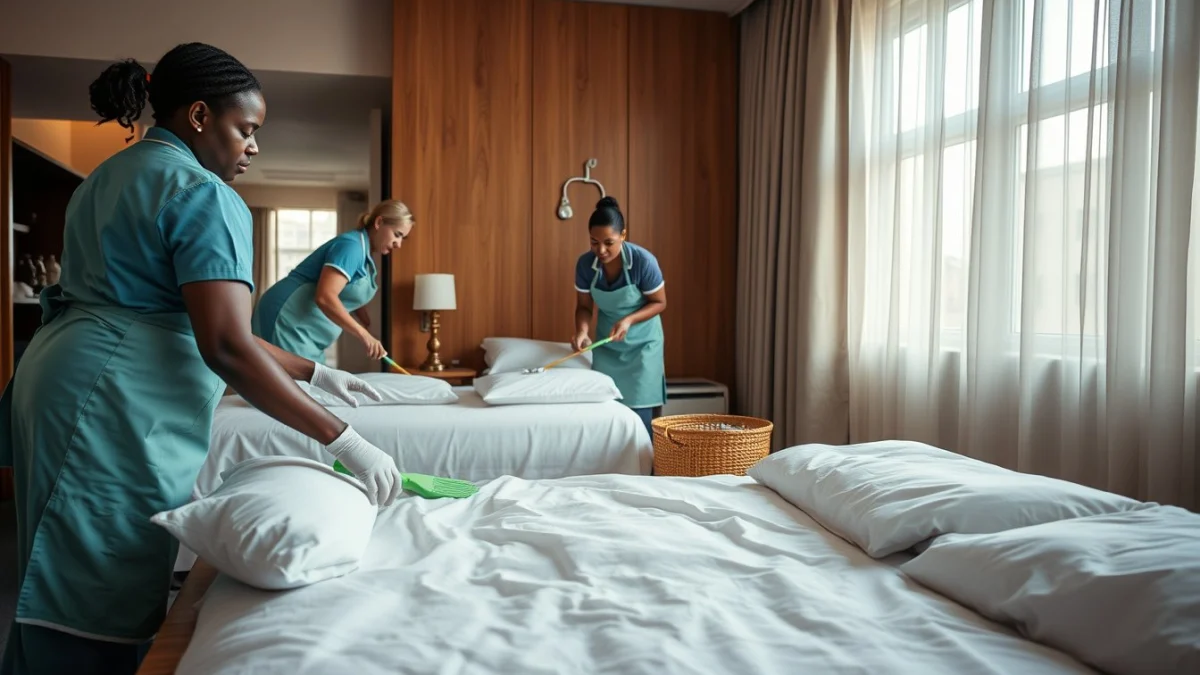
Many beginners jump in without grasping which tools fit which tasks. This causes wasted time, damage to surfaces, or unsafe work conditions—like mixing cleaning chemicals or using broken equipment. Your day as a housekeeping attendant can be rushed, with pressure to prepare rooms on time and keep public areas spotless. Knowing your tools inside-out helps you work smarter, avoid injuries, and deliver better guest satisfaction.
The Essential Housekeeping Tools You’ll Use
Here’s a straightforward rundown of the core tools that form the backbone of housekeeping work in South Africa’s hospitality settings:
- Microfibre cloths: Versatile for wiping surfaces without scratching or leaving lint behind.
- Mops and bucket sets: Traditional and effective for cleaning floors, but must be correctly wrung to avoid water damage.
- Vacuum cleaners: Used for carpets and upholstery; a lightweight model helps reduce fatigue over long shifts.
- Dusters and brushes: Extendable dusters reach high corners; small brushes clean grout and crevices.
- Scrubbing pads and sponges: Different textures for pots, sinks, and bathroom tiles.
- Spray bottles: For water, disinfectants, or cleaning solutions—clear labelling is vital to avoid misuse.
- Gloves and protective gear: Often overlooked but crucial to protect skin from chemicals.
Pro tip: Overusing one cleaning tool where another is better suited wastes time and risks damage—like using a rough scrubbing pad on a delicate countertop.
How Cleaning Tools Get Used in Real Housekeeping Work
Picture this typical day: You’re assigned several guest rooms and public areas to prepare before check-in. The tools you choose and how you use them can make or break your timetable. For example, using a vacuum first on floors and then mopping after prevents dust from settling back, saving you having to clean twice.
Another real-life scenario is handling bathroom disinfection. Using separate cloths and designated brushes for the toilet cluster versus the sink area prevents cross-contamination—a big hygiene risk that beginners sometimes miss. South African hotels can get very busy, so relying on basic but well-maintained tools keeps your work efficient and guest-friendly.
Avoid These Common Beginner Mistakes with Cleaning Tools
- Not checking equipment before use: Faulty vacuums or worn mop heads slow you down and impact cleanliness.
- Using the wrong tool on a surface: Scratchy pads on polished wood or harsh chemicals on delicate fabrics cause costly damage.
- Mixing cleaning chemicals incorrectly: This creates health hazards; always follow product instructions carefully.
- Ignoring protective gear: Gloves and masks shield you from chemicals but are often skipped in a rush.
- Skipping regular cleaning of the tools themselves: Dirty cloths or buckets spread germs instead of cleaning.
One detail competitors tend to skip is highlighting the maintenance of tools—simple upkeep extends their life and keeps your work tidy and safe.
Best Cleaning Tool Features to Learn First
Start by mastering these tool features to boost your housekeeping efficiency:
- Mop wringing techniques: Too much water leaves floors slippery; too little means ineffective cleaning.
- Vacuum settings: Learn your machine’s controls for carpets, bare floors, and upholstery.
- Proper cloth folding and spraying methods: Minimises streaks and spreads disinfectants evenly.
- Safe handling and refilling of spray bottles: Avoid cross-contamination by keeping bottles labelled and sealed.
Getting these right early on prevents common beginner headaches like streaks on windows, slippery floors, and slow room turnarounds.
Practical Cleaning Scenarios You’ll Face
Guest Room Turnaround
You’ll use microfiber cloths and the vacuum first, dust surfaces carefully, then mop with the right amount of water. Correct bed making with clean linen finishes the job. Tools need to be clean and ready; tasks run smoother when equipment is consistently maintained.
Bathroom Deep Clean
Different brushes clean different fixtures. Disinfectant sprays require proper timing to take effect. Gloves are a must, and using disposable cloths for toilets prevents carrying germs.
Lobby and Public Area Cleaning
Large open spaces demand efficient vacuuming and mopping routines. Waste bins must be emptied and liners replaced without trapping dirt or causing spills. Extendable dusters keep high corners free from cobwebs, improving the guest impression.
FAQs About Housekeeping Equipment Use
How often should I replace cleaning cloths and mop heads?
Is it safe to use eco-friendly cleaning products with standard tools?
What’s a simple way to avoid chemical mix-ups?
Can poor housekeeping tool knowledge affect my job prospects?
Bringing It Together
Understanding housekeeping equipment and cleaning tools goes beyond just having the gear. It’s about knowing how and when to use each tool, keeping everything in good shape, and working safely. This knowledge helps you avoid common mistakes, meet hospitality standards, and keep guests happy.
If you want to build practical housekeeping skills, consider joining a free housekeeping attendant course with certificate in South Africa. It covers all the basics you need to handle tools and cleaning tasks confidently, setting you up for success in the workplace.