Quick Answer
A health and safety representative in South Africa helps keep the workplace safe by spotting hazards, supporting risk assessments, checking working conditions, reporting incidents, and representing workers in health and safety matters. Their role helps workplaces follow the country’s Health and Safety laws and keeps workers informed and protected.
If you’re new to this role or thinking about becoming a health and safety rep, it’s useful to know exactly what duties you’ll have and how they help make workplaces safer in South Africa. This practical guide explains these tasks clearly and shows why they matter.
What Is the Role of a Health and Safety Representative?
A health and safety representative acts as a bridge between employees and management on safety issues. They look out for hazards that could cause harm, help assess risks, support workplace checks, and share safety information with everyone. This role is important because it ensures workers have a voice in keeping their working environment safe.
In South African workplaces, safety reps work under the guidelines of the Occupational Health and Safety Act (OHS Act). While reps don’t manage safety alone, they assist employers and employees to meet legal safety standards and avoid accidents or health problems.
Key Duties of a Health and Safety Representative
Here are the main tasks you would regularly do as a health and safety representative:
- Identifying hazards: Look for anything unsafe at work, like spills, broken equipment, or poor lighting.
- Supporting risk assessments: Help decide how dangerous hazards are and what can be done about them.
- Conducting workplace inspections: Check work areas regularly to find and report unsafe conditions or practices.
- Reporting incidents: Help workers report injuries, near misses, or dangerous events quickly and properly.
- Participating in safety committees: Attend meetings, share concerns, and help plan improvements.
- Promoting safe work habits: Remind colleagues about using protective gear and following safety rules.
- Monitoring fixes: Follow up to make sure hazards are fixed and risks controlled.
How to Carry Out Health and Safety Representative Duties Effectively
To do this job well, you can use a simple routine like this:
- Check high-risk areas regularly for hazards, like heavy machinery or slippery floors.
- Write clear hazard reports stating where the problem is and why it’s a risk.
- Attend any health and safety committee meetings and share updates with employees.
- Run or join toolbox talks to keep safety on everyone’s mind.
- Make sure coworkers use personal protective equipment (PPE) correctly.
- Help management choose the best ways to reduce risks, like fixing hazards or changing procedures.
- Keep records of inspections, incidents, and what was done to fix issues.
- Assist with simple incident investigations by gathering facts and witness statements.
These actions help prevent accidents and make workplaces safer over time.
Common Challenges and How to Avoid Mistakes
Many new health and safety reps face similar challenges. Here are some common mistakes and how to avoid them:
- Not communicating enough: Regularly share safety information — without it, workers might stay unaware of risks or changes.
- Skipping documentation: Always write down inspections and incidents, so problems can be tracked and fixed.
- Only reacting after accidents: Try to find hazards before something happens so you can prevent injuries.
- Working beyond your training: Don’t take on tasks you’re not trained for; report complex issues properly.
Staying organised and informed helps you succeed and keeps co-workers safe.
Example: Health and Safety Rep in a Factory
Imagine working in a factory where you notice oil spilled on the floor. This is a slipping danger. As the safety rep, you report this immediately and check that it’s cleaned up fast. Then you remind your colleagues about cleaning up spills and keeping walkways clear.
During a routine inspection, you spot that workers’ chairs cause back strain. You bring this up at the safety committee and suggest better chairs or breaks to reduce strain. After a small injury happens, you help document the incident and collect details so management can fix the root cause.
These simple actions make a big difference in preventing future problems.
Continue Your Learning: Free Health and Safety Representative Course
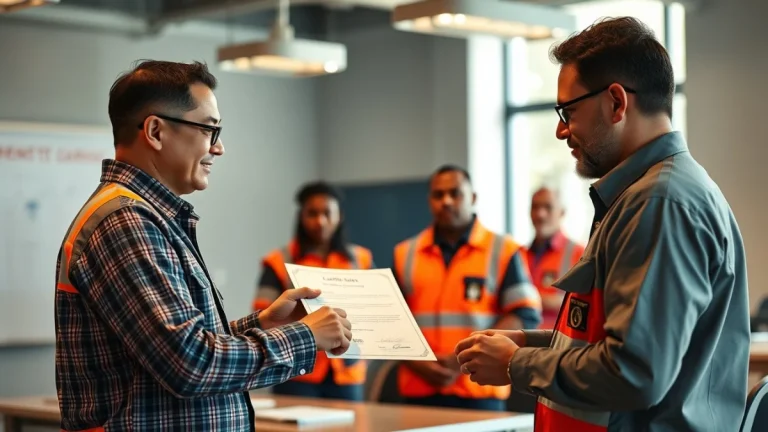
If you want to gain more confidence and skills to perform as a health and safety representative, check out the Health and Safety Representative Certificate Course from EduCourse. It covers everything from workplace inspections to laws and reporting, helping you protect yourself and your colleagues better.