If you work in industrial, manufacturing, logistics, or port environments in South Africa, knowing how to prevent and respond to fires is essential. This free fire safety course online offers practical skills and a certificate to help you handle fire risks safely and confidently on the job.
Fire safety can feel overwhelming if you’re new to it, but this course breaks down key actions and precautions to match busy South African workplaces. It’s flexible for shift workers and covers what really matters for common workplace hazards.
Quick Answer
This free online fire safety course with certificate teaches you how to identify fire hazards, use extinguishers properly, run workplace fire risk assessments, and plan safe evacuations. It’s designed for workers in sectors like automotive manufacturing, warehousing, engineering, and port operations across South Africa.
Why Fire Safety Is Important for South African Industrial Workers
Industrial workplaces often involve flammable materials, electrical tools, chemicals, and heavy machinery – all common sources of fire if not managed well. In places like vehicle assembly plants, warehouses, or ports, a small fire can quickly become a disaster. Knowing basic fire safety helps protect lives and keeps businesses running without costly downtime.
For beginners or part-time workers, fire safety knowledge builds confidence and helps you stay prepared for emergencies. It also shows employers you understand important safety duties, which can improve your job prospects and on-site responsibilities.
What You Will Learn in the Fire Safety Course
This course focuses on practical fire safety skills tailored to South African workplaces. Here’s what to expect:
- Recognising Fire Hazards – Learn common risks in automotive, warehousing, engineering and port sectors, including flammable liquids, electrical faults, and fuel storage.
- Using Fire Extinguishers – Understand types of extinguishers (foam, CO2, dry powder) and when to use each safely.
- Fire Risk Assessments – Step-by-step guidance for checking your workplace, spotting risks, and planning ways to reduce them.
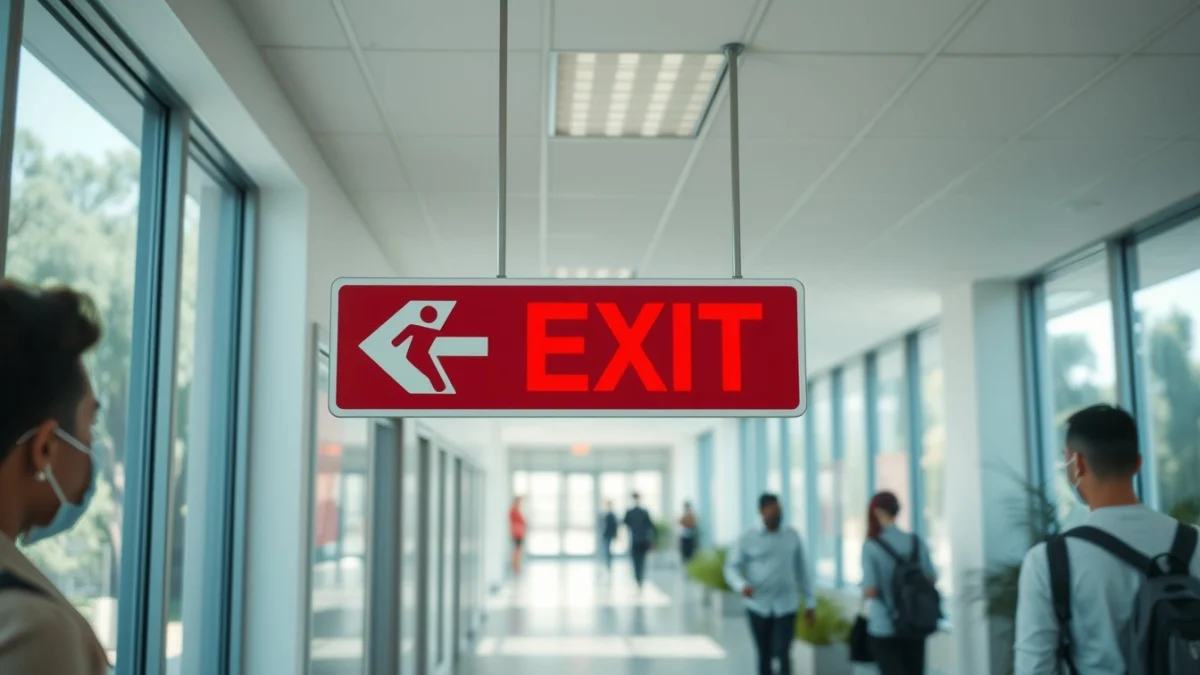
- Evacuation Plans – How to create clear, effective fire evacuation procedures with signage, alarms, and trained marshals.
- Promoting Fire Safety Awareness – Tips for encouraging safe behaviour among colleagues and taking simple daily precautions.
By the end of the course, you’ll feel more confident spotting fire dangers and ready to act fast if a fire breaks out.
Flexible Learning for Busy Workers
The course is fully online and can be done at your own pace. Whether you work shifts, part-time, or remotely, you access the sessions without missing work. This makes it easier to learn fire safety skills even if you’re new or juggling multiple jobs.
After finishing the course, you’ll get a certificate proving your new skills, which can support your role within your company and show your commitment to safety.
Common Fire Safety Challenges in South African Workplaces
- Automotive Plants: Paint, solvents and lubricants can catch fire easily. Regular checks on electrical systems help avoid sparks.
- Warehouses and Logistics: Storing chemicals, fuel-powered vehicles and bulky goods needs clear fire exits and suitable extinguishers.
- Port Operations: Fuel storage areas require special attention, including spill control and clear evacuation routes.
Each workplace has its own risks, so fire safety training that focuses on your industry helps you protect yourself and coworkers better.
FAQs About Fire Safety in South African Workplaces
How often should fire risk assessments be done in industrial workplaces?
What are important fire evacuation tips for large factories or warehouses?
Which fire extinguishers are best for port storage areas?
Can part-time or remote workers join this fire safety course?
Take a simple step today towards safer workplaces by enrolling in this free fire safety course with certificate. It’s designed for South Africans working in industrial, warehouse, and port settings who want to protect themselves and their teams from fire risks.