
Gathering pre-audit information and documentation
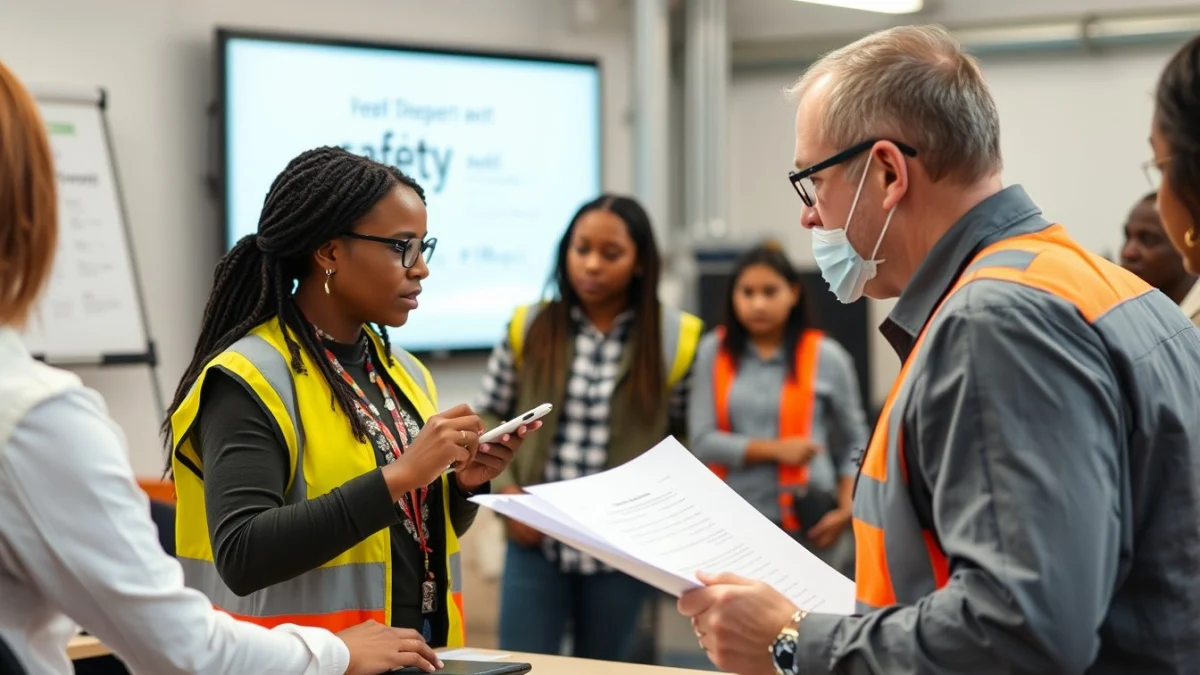
Why Gathering Pre-Audit Information and Documentation Is Important
Gathering pre-audit information and documentation is the first step in preparing for a safety audit. It helps auditors understand the workplace environment and identify key areas to focus on during the audit. This preparation saves time and ensures the audit is thorough and effective. Before visiting the site, auditors must collect important documents and data. These may include previous audit reports, safety policies, incident records, risk assessments, and training records. Having these documents ready gives auditors a full picture of the current safety status and any past issues. Knowing the company’s safety rules and procedures helps auditors check if these are followed correctly. Records like safety meeting minutes and equipment maintenance logs are also useful to confirm that safety checks happen regularly. Gathering this information early allows auditors to spot problems that need special attention. For example, if there were recent accidents or near misses, these areas should be carefully reviewed during the audit.
Key Documents to Gather Before a Safety Audit
- Previous safety audit and inspection reports
- Health and safety policies and procedures
- Risk assessments and hazard identification records
- Incident and accident reports
- Employee training and induction records
- Equipment maintenance and inspection logs
- Emergency plans and drills documentation
Collecting these documents before the audit also lets the audit team plan interviews or site visits more efficiently. It shows the organisation’s commitment to safety and helps build trust between auditors and workers. In summary, gathering pre-audit information and documentation is essential for a smooth and successful safety audit. It provides a clear view of workplace conditions and helps auditors prepare a relevant checklist. This step improves the chance of catching safety gaps and making the workplace safer for everyone.
Live Scenario • Active Situation
You are a safety auditor preparing for a safety audit at a manufacturing plant.
There is no single perfect answer. Choose what you would do in this situation.
