
Recording findings accurately and objectively
How to Record Safety Audit Findings Correctly
Recording findings accurately and objectively is essential in workplace safety audits. This means writing down exactly what you see, hear, or measure without adding personal opinions or guesses. Accurate and objective records help to identify real safety risks and decide on the best actions to fix them.
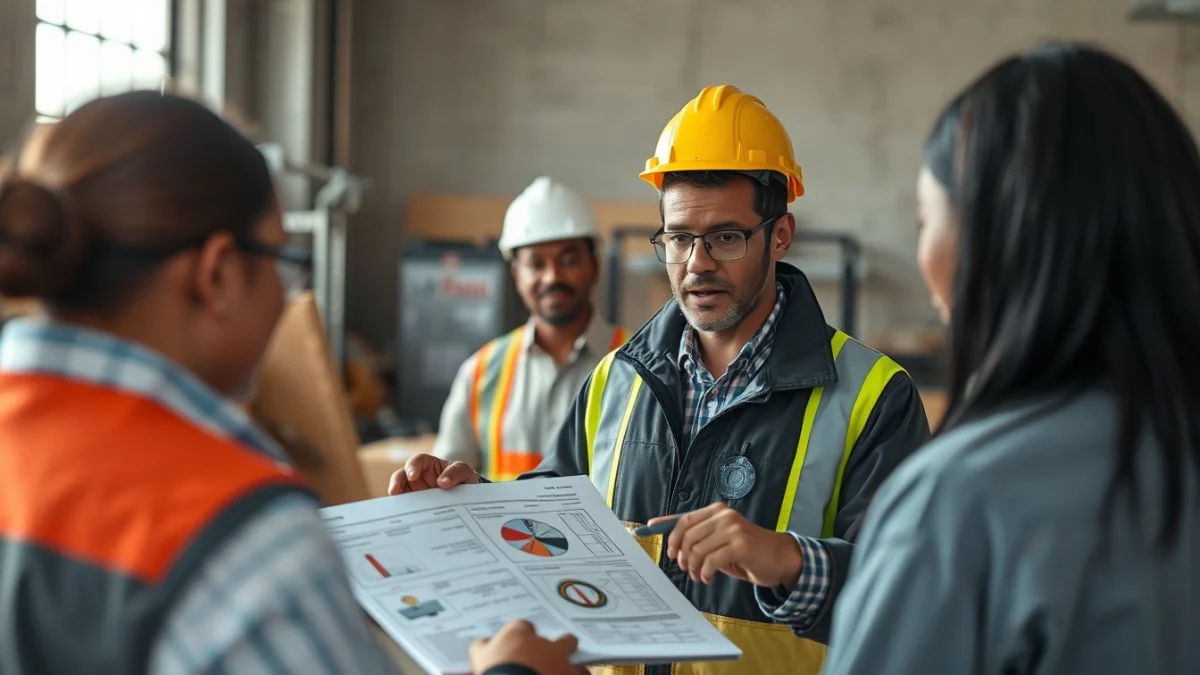
When conducting a safety audit, you need to be clear and detailed. Avoid vague statements such as “the area looks unsafe.” Instead, describe exactly what is wrong, like “oil spill on the workshop floor, creating a slip hazard.”
Here are key points to keep in mind for proper recording:
- Use clear language: Write simply and clearly so anyone reading the report understands the issue.
- Be factual: Record what you observe, not what you think might be the cause or effect.
- No assumptions: Stick to facts. Don’t include guesses or personal opinions.
- Be specific: Give exact locations, measurements, and times where possible.
- Document evidence: Take photos if allowed, note down names of witnesses or people responsible.
For example, instead of saying, “Safety rails are not properly installed,” write, “Safety rail on the north side of the loading platform is loose and missing two bolts, measured at 2 m high.”
Accurate and objective recording helps management and safety teams understand the real safety conditions. It supports legal compliance and improves workplace safety by making sure corrective actions address the correct problems. Inaccurate or biased findings can lead to ineffective or misdirected safety efforts.
Always review your notes soon after the audit while details are fresh. Double-check for clarity and correctness. Sharing findings clearly allows for faster and better responses to safety issues.
In summary, recording findings accurately and objectively during workplace safety audits is essential to keep workers safe, reduce risks, and create a safer working environment.
Live Scenario • Active Situation
You are a workplace safety auditor inspecting the loading dock area.
There is no single perfect answer. Choose what you would do in this situation.
