
Types of hazards auditors look for
Common Hazards Auditors Check During Safety Inspections
Types of hazards auditors look for are important to understand when carrying out safety checks in South African workplaces. Auditors identify and assess hazards to help prevent injuries, illnesses, and accidents. Knowing these hazards helps workers and employers create safer work environments.
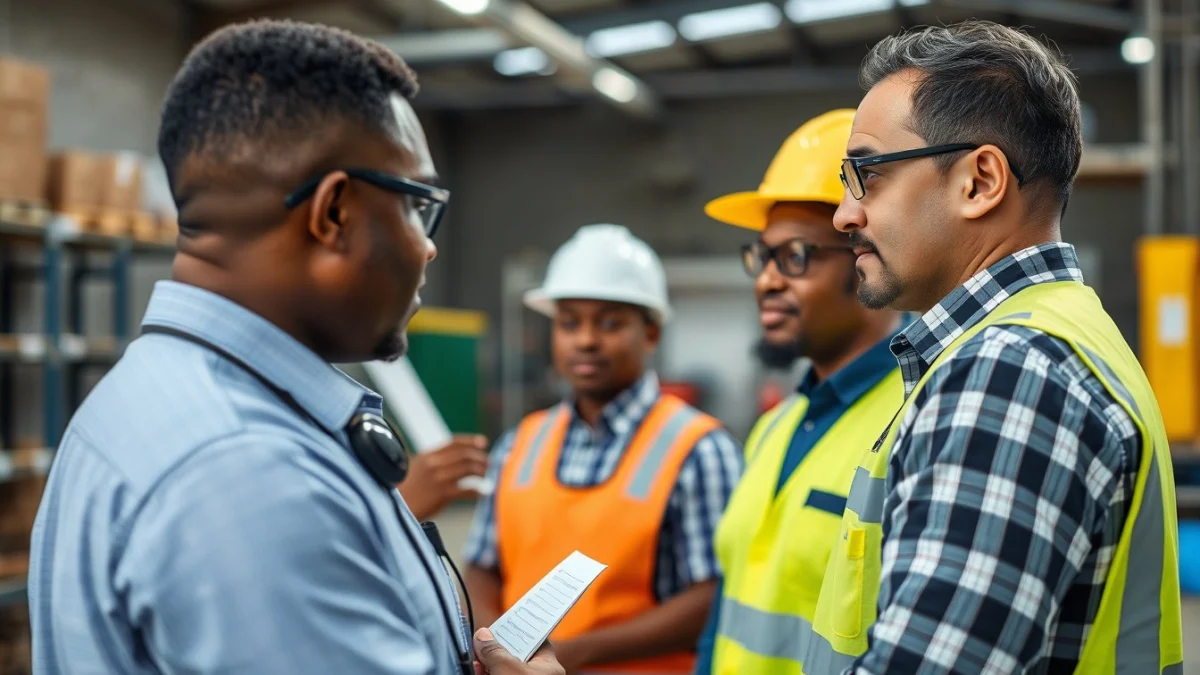
Auditors mainly focus on four types of hazards: physical, chemical, biological, and ergonomic. Each type of hazard can cause different types of harm and needs specific control measures.
Physical Hazards
Physical hazards include anything that can cause injury or harm through contact or environmental conditions.
- Noise – high noise levels can cause hearing loss
- Machinery and moving parts – risk of cuts, crushing, or amputations
- Slips, trips, and falls – wet floors, uneven surfaces
- Electricity – exposed wires or faulty equipment
- Heat or cold – extreme temperatures affecting health
Chemical Hazards
These hazards come from harmful substances workers may inhale, touch, or swallow.
- Toxic chemicals – solvents, acids, or pesticides
- Dust and fumes – from welding, mining, or construction
- Flammable or explosive materials
- Corrosive substances that can burn skin or eyes
Biological Hazards
Biological hazards come from living organisms that cause infection or disease.
- Bacteria or viruses – common in hospitals or labs
- Mould and fungi – often from damp or dirty areas
- Blood or body fluids – risk of spreading diseases
- Insect or animal bites – common in outdoor or agricultural work
Ergonomic Hazards
Ergonomic hazards relate to how a person works and the design of their workplace or tasks.
- Poor posture or repetitive movements causing strain
- Heavy lifting causing back injuries
- Inadequate seating or workstation layout
- Work pace or organisation causing fatigue
Auditors observe the workplace, interview workers, and review documents to identify these hazards. They then assess the risks and check if proper controls like training, personal protective equipment, or safe work procedures are in place.
Understanding the types of hazards auditors look for helps you stay alert and improve safety wherever you work. This reduces accidents and creates a healthier work environment for all.
Live Scenario • Active Situation
You are a safety auditor conducting an inspection at a South African manufacturing plant.
There is no single perfect answer. Choose what you would do in this situation.
