
Interviewing employees and gathering evidence
How to Interview Employees and Gather Evidence During Safety Audits
Interviewing employees and gathering evidence are key steps in any workplace safety audit. These actions help you understand real conditions, spot risks, and check if safety rules are properly followed.
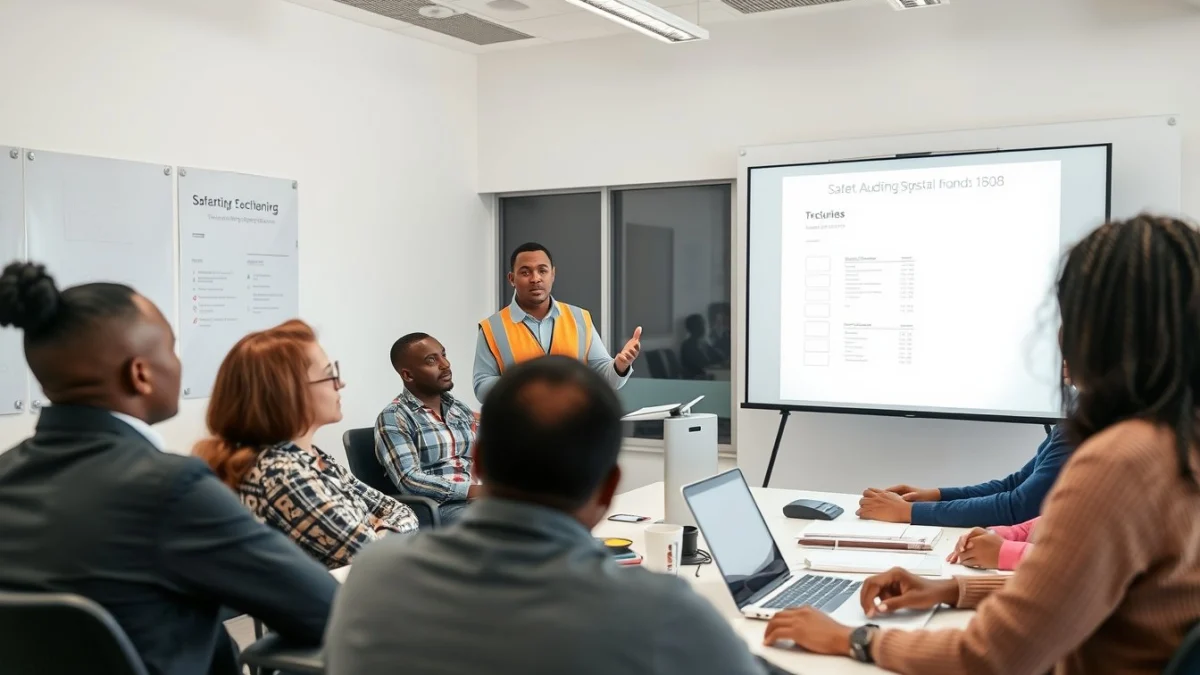
When you interview employees, prepare clear questions. Ask about their daily tasks, safety training, and if they know the risks at their workplace. Listen carefully to their answers. Sometimes workers share important details about hazards or unsafe habits that are not visible in documents.
Be friendly and respectful during interviews. This creates trust and helps employees feel comfortable to speak openly. Use simple language and avoid jargon. Remember, your goal is to learn from their experience, not to blame anyone.
While talking, watch for body language. If employees seem nervous or hesitant, encourage them to be honest. Reassure them that their answers are confidential and used only to improve safety.
Important Tips for Interviewing Employees
- Keep interviews short but focused on safety issues
- Ask open-ended questions like “Can you tell me about safety training here?”
- Take clear notes or record responses with permission
- Follow up unclear answers with more questions
Gathering evidence means collecting proof to support what you learn. This includes documents like safety policies, training records, risk assessments, and incident reports. Also examine physical evidence such as safety signs, protective gear, and machinery guards.
During your workplace walk-through, take photos of any unsafe conditions. Note any missing safety equipment or broken machines. Check if emergency exits are clear and fire extinguishers are in place and not expired.
Compare what employees say with the evidence you find. If workers claim regular safety training but records are missing, this is a gap that needs attention. Using both interviews and evidence together creates a full picture of workplace safety.
Finally, organise all gathered evidence carefully. Label documents and photos to match specific audit points. This makes it easier to create your audit report and share findings with safety managers.
In summary, interviewing employees and gathering evidence during a safety audit helps identify real risks and weak safety practices. With good preparation and respectful questions, you can get honest information. Combined with solid proof, this leads to better safety improvements in the workplace.
Live Scenario • Active Situation
You are a safety auditor tasked with interviewing employees and gathering evidence during a workplace safety audit at a busy manufacturing plant.
There is no single perfect answer. Choose what you would do in this situation.
