
Paper Filing Systems
While the use and efficiency of electronic filing systems continue to increase, this does not negate the need for paper filing systems.
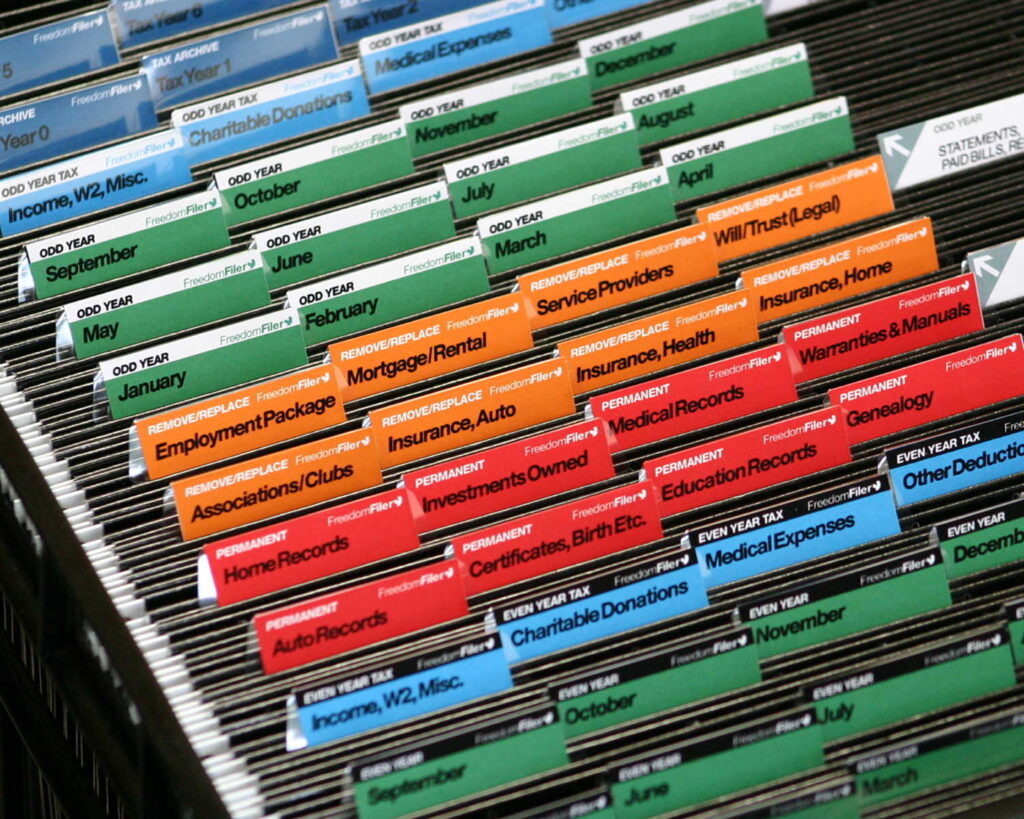
Paper documents facilitate:
There are hard copies of crucial documents. When a copy of a file is required, it will be easily available in a file cabinet on the premises.
An easily accessible system. The paper file system is more accessible because everyone in the organization can use it, even if you are unavailable to locate the document.
A backup system in case electronic systems fail. In the case that an individual cannot access an electronic system or the electronic filing system deletes a file inadvertently, the paper system will serve as a backup.
Depending on the responsibilities of your position as a receptionist, you will file documents in various ways: by subject or category; by date; by numbers, including medical records and account numbers; alphabetically. In a paper filing system, it can be advantageous to utilize the same method across the board, as this facilitates teaching individuals on where to locate specific files. Similarly, it may become necessary to have distinct filing systems for various types of documents, departments, etc.
If you are assuming the position of receptionist, the filing system may already exist. When this is the case, because your role is to increase efficiency, it can be beneficial to identify any faults with the current system and recommend solutions.
