
Understanding Retail Environments in South Africa
Understanding Retail Environments in South Africa is important for anyone working in merchandising, especially for those starting as a Merchandising Assistant. A retail environment is the place where products are sold to customers, and it includes different types of stores, markets, and sales methods. Knowing how these environments work helps you do your job better, meet customer needs, and improve sales.
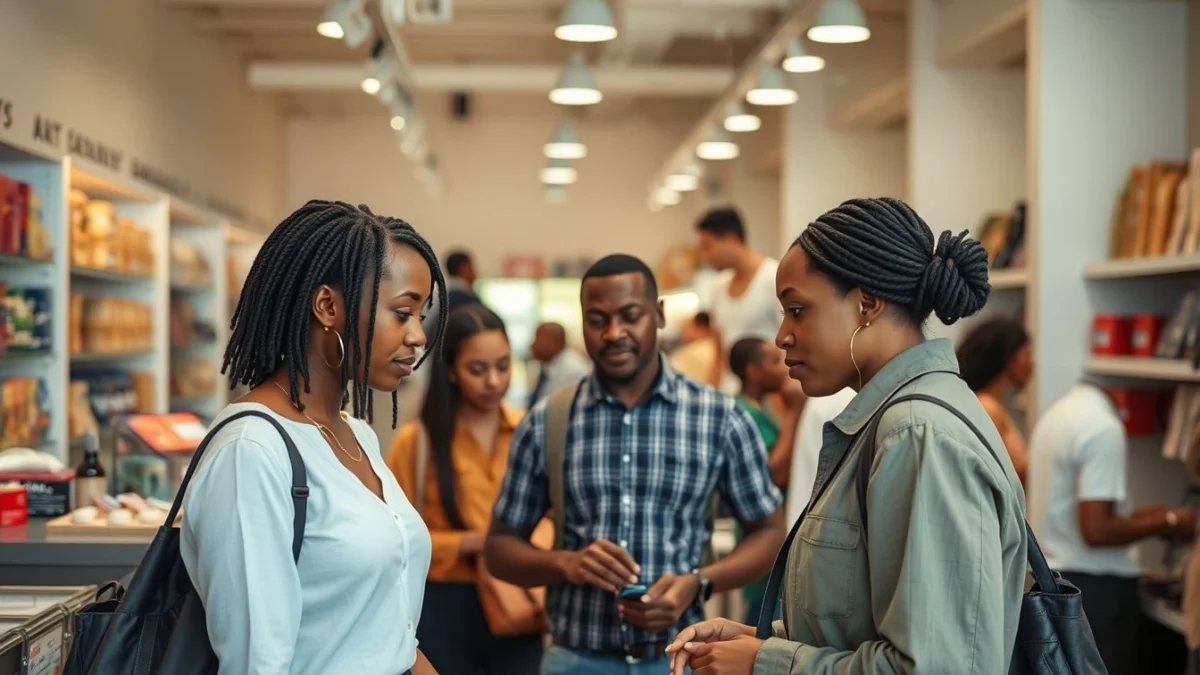
What Makes South African Retail Environments Unique?
South Africa’s retail environments are influenced by many factors such as the economy, culture, location, and technology. There are big differences between urban and rural areas, formal and informal sectors, and large shopping malls versus small local stores. These all shape how retailers operate and how customers shop.
Large retail chains like Checkers, Pick n Pay, and Shoprite dominate urban areas. These stores offer a wide range of products, good customer service, and advanced technology like electronic checkouts. They are clean, organised, and use professional displays to attract buyers.
On the other hand, informal markets and spaza shops are very important, especially in townships and rural communities. These small, often family-run shops sell everyday essentials and operate with lower prices and flexible credit. They rely heavily on personal relationships with customers and fast restocking because their shelves are smaller.
Many customers in South Africa use a mix of these retail environments. For example, they may buy fresh food from a market but shop for clothing in a mall. Understanding this behaviour helps merchandising assistants plan how products are displayed, priced, and arranged to attract different customers.
Key Types of Retail Environments in South Africa
- Formal Retail: Large supermarkets, convenience stores, and department stores in towns and cities.
- Informal Retail: Spaza shops, street vendors, and flea markets often found in townships and rural areas.
- Online Retail: Growing fast, with shops selling products through websites and mobile apps.
- Speciality Stores: Shops focused on certain products like electronics, clothing, or gardening.
- Wholesale Markets: Places where retailers buy products in bulk, such as wholesalers and distributors.
Each environment needs different merchandising strategies. For example, formal retailers focus on neat shelves, customer service, and brand promotions. Informal retailers depend more on customer trust and quick access to popular goods.
Technology is changing retail environments too. Many South African shoppers use smartphones to compare prices or buy online. Merchandising assistants need to understand how digital tools work and how to support both physical and online sales.
Another important factor is understanding local culture and community needs. For example, some areas may demand more fresh produce while others prefer affordable household goods. Retailers that know their customers’ preferences can stock the right products and plan effective displays.
In summary, understanding retail environments in South Africa means knowing the different types of shops, customer habits, and the local context. For a merchandising assistant, this knowledge helps in placing products well, supporting sales, and keeping customers happy. Good merchandising fits the environment and matches what the customer wants to find easily and quickly.
Live Scenario • Active Situation
You are a Merchandising Assistant working in a large urban retail chain in Johannesburg.
There is no single perfect answer. Choose what you would do in this situation.
