
Prioritising Maintenance Work
How to Effectively Prioritise Maintenance Work
Prioritising maintenance work is crucial in managing facilities efficiently. It helps ensure that urgent problems are dealt with quickly, while less critical tasks are done later. This avoids equipment failure, reduces downtime, and saves costs.
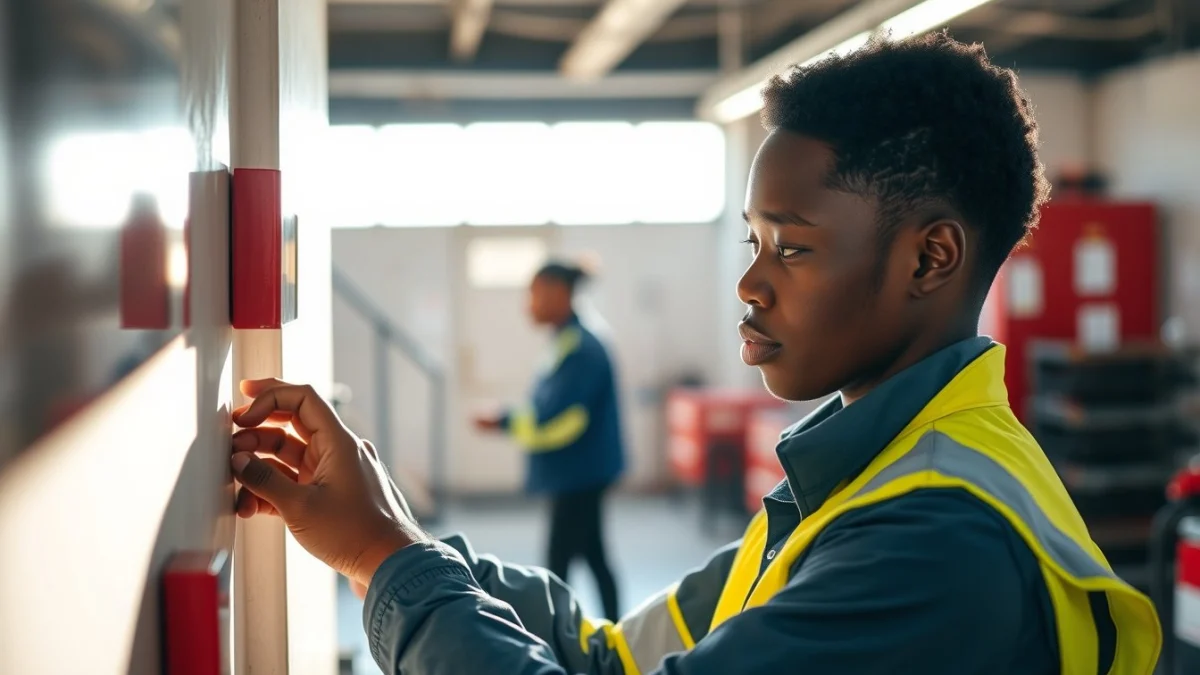
When planning maintenance tasks, always consider the impact of each job on safety, production, and costs. Tasks that affect safety or stop production should be done first. For example, fixing a broken fire alarm is more urgent than cleaning air filters.
Also, think about the consequences of delaying each task. Some jobs may cause small problems if delayed, while others could cause bigger damage or halt operations. By identifying this, you know which jobs need immediate attention.
Steps to Prioritise Maintenance Work
- Identify urgent tasks: Look for work that fixes safety hazards or equipment breakdowns that stop production.
- Assess risk and impact: Evaluate how delaying a task affects safety, costs, or downtime.
- Schedule preventive maintenance: Plan regular maintenance to avoid future breakdowns.
- Use available resources: Assign tasks based on staff, tools, and parts available.
- Review priorities regularly: Update the list as new problems arise or conditions change.
By following these steps, you help keep equipment running safely and smoothly. Prioritising maintenance work also improves the overall lifespan of machines by tackling the most important jobs first. It helps maintenance teams stay organised and focused on what matters.
Always communicate clearly with your team about which jobs are urgent and why. This ensures everyone understands the plan and works efficiently. Remember, good prioritising saves time and reduces costs in the long run.
Live Scenario • Active Situation
You are a Facilities Maintenance Assistant at a busy manufacturing plant.
There is no single perfect answer. Choose what you would do in this situation.
