
Safe Handling of Electrical Equipment
How to Handle Electrical Equipment Safely
Safe handling of electrical equipment is very important to prevent accidents and injuries at work. When you work with electrical tools and machines in facilities maintenance, you must follow certain rules to keep yourself and others safe.
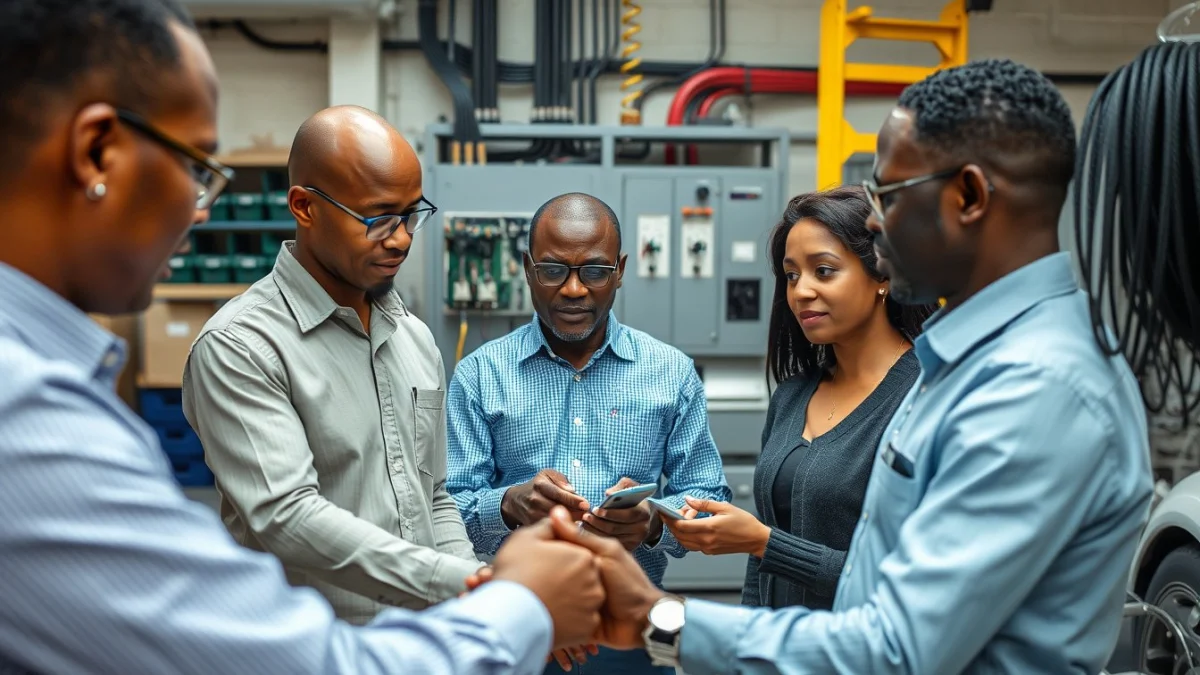
Always check the electrical equipment before use. Look for damaged cables, plugs, and switches. Do not use any equipment that has visible damage, as this can cause electric shocks or fires.
Before starting any maintenance work, make sure the power is switched off. Use a lockout system if available, to ensure the equipment cannot be switched on while you are working on it.
Wear the correct personal protective equipment (PPE). This includes insulated gloves, safety boots, and eye protection. PPE helps protect you from electric shocks and other dangers.
Never touch electrical equipment with wet hands or while standing on wet floors. Water increases the risk of electric shock. Make sure your hands and the floor are dry before handling any devices.
Keep your work area clean and tidy. Remove any unnecessary tools or materials that could cause trips or falls. Good housekeeping reduces the risk of accidents while working with electricity.
Steps for Safe Use of Electrical Equipment
- Inspect the equipment for damage or defects.
- Switch off and unplug before maintenance or repairs.
- Use the right tools and PPE for the job.
- Keep the equipment clean and dry.
- Notify your supervisor of any faults immediately.
- Follow all safety signs and instructions.
Always follow the manufacturer’s instructions when using electrical tools. Do not try to modify or repair equipment unless you are trained and authorised to do so.
Report any electrical hazards to your supervisor right away. Do not try to fix serious faults yourself if you are unsure. It is better to wait for a qualified electrician to handle complex problems.
Remember, safe handling of electrical equipment protects you, your co-workers, and the workplace. By being careful and taking the correct precautions, you can avoid accidents and keep the facility running smoothly.
Live Scenario • Active Situation
You are a Facilities Maintenance Assistant assigned to repair a faulty electrical fan in the workshop.
There is no single perfect answer. Choose what you would do in this situation.
