
Routine Electrical Checks and Troubleshooting
Routine Electrical Checks and Troubleshooting are essential skills for anyone involved in facilities maintenance. These checks help to find and fix electrical problems early, ensuring safety and reducing downtime. In this lesson, you will learn how to perform basic electrical inspections and common troubleshooting steps safely and effectively.
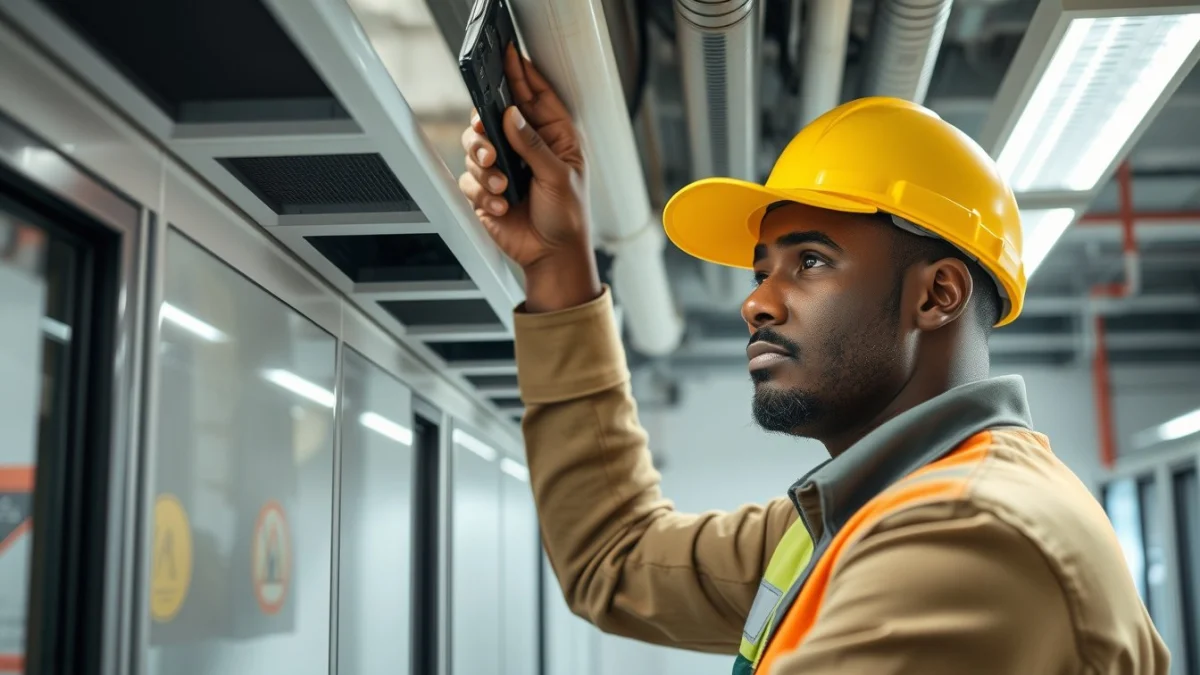
How to Perform Basic Electrical Checks Safely
Start every electrical check by switching off the power at the main circuit breaker. Use a voltage tester to confirm that there is no power in the circuit before touching any wires or components. Always wear insulating gloves and use insulated tools to prevent electric shocks.
Inspect electrical cords and plugs for any visible damage like cuts, frayed wires, or burn marks. Check that all connections are tight, especially in plugs and sockets. Loose connections can cause electrical sparks or fires.
Look for signs of overheating or burning smells around switches, plugs, or circuit breakers. These signs often indicate a fault that needs immediate attention. Also, ensure circuit breakers and fuses are the correct ratings for the circuits they protect to avoid overloading.
Common Steps for Electrical Troubleshooting
- Identify the problem: Note what is not working or any unusual behaviour such as flickering lights or tripping breakers.
- Check the power source: Verify if the circuit breaker or fuse for the affected area has tripped or blown. Reset or replace as needed.
- Inspect wiring and connections: Look for loose wires, damaged insulation, or burnt components.
- Test devices: Use a multimeter to check continuity and voltage to ensure devices are receiving power.
- Replace faulty parts: Swap out damaged plugs, sockets, or switches following proper safety procedures.
Following these routine checks helps prevent major electrical failures and keeps the facility safe. When problems are more complex or you are unsure, always call a qualified electrician.
By regularly conducting these routine electrical checks and troubleshooting steps, you improve safety and maintain smooth operation in your facility. Remember, safety first, always use the right tools and personal protective equipment, and never work on live circuits.
Live Scenario • Active Situation
You are a Facilities Maintenance Assistant responsible for routine electrical checks in a busy office building.
There is no single perfect answer. Choose what you would do in this situation.
