
Basic Repairs for Doors, Windows, and Walls
Simple Fixes for Common Building Problems
Basic Repairs for Doors, Windows, and Walls are important skills for a Facilities Maintenance Assistant. Knowing how to fix simple problems quickly helps keep buildings safe and looking good. This guide explains easy steps to repair these parts of a building.
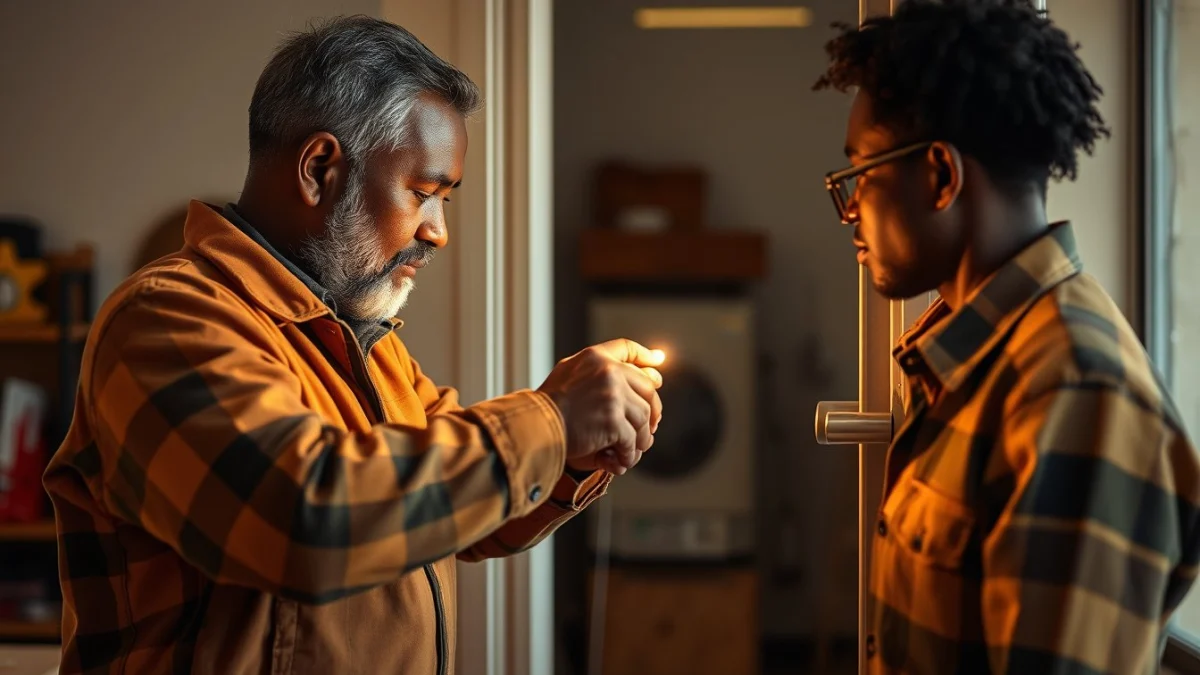
Fixing Doors
Doors often face issues like sticking, squeaking, or loose handles. To fix a door that sticks:
- Check if the door rubs against the frame. If it does, use sandpaper or a plane tool to slightly shave the edge.
- Tighten all screws on the hinges with a screwdriver to stop wobbling.
- If the door squeaks, apply a small amount of oil or grease to the hinge pins.
- For a loose handle, tighten the screws that hold the handle in place.
If a lock is not working, first clean the lock with a spray lubricant. If it still does not work, the lock might need to be replaced by a professional.
Repairing Windows
Windows can have broken glass or frames that do not close properly. Safety is very important when working with glass.
- If you find cracked or broken glass, remove the old glass carefully while wearing gloves.
- Measure the window frame and buy a replacement glass from a hardware store.
- Use glazing putty or sealant to hold the new glass in place.
- If window frames are loose or broken, tighten the screws or replace parts like hinges or locks.
- Clean window tracks and lubricate sliding parts to ensure smooth opening and closing.
Repairing Walls
Walls may develop small holes, cracks, or damage from wear and tear. Here is how to fix common wall problems:
- For small holes (like from nails), use filler or plaster to cover the hole. Allow it to dry fully before sanding smooth.
- For cracks, widen the crack slightly with a scraper so filler can stick better, then fill and smooth it.
- If paint is peeling, scrape off loose paint and sand the surface before repainting.
- For damp patches or mould, identify the moisture source first (like a leak). Clean the mould with a solution of water and bleach, then repair the wall after it dries.
- Always wear safety gear such as gloves and a mask when working with wall fillers and paints.
Basic Repairs for Doors, Windows, and Walls do not need expensive tools. Most repairs only require simple hand tools like screwdrivers, sandpaper, a hammer, filler, and some lubricants. Regular checks and small repairs prevent bigger problems later.
By learning these basic repairs, Facilities Maintenance Assistants can keep buildings safe, functional, and pleasant to use. Always follow safety guidelines and ask for help with complex jobs.
Live Scenario • Active Situation
You are a Facilities Maintenance Assistant in a large office building.
There is no single perfect answer. Choose what you would do in this situation.
