
Basic Skills and Tools Required for Maintenance
Essential Skills and Tools for Effective Maintenance Work
Basic Skills and Tools Required for Maintenance are the foundation for anyone starting as a Facilities Maintenance Assistant. Knowing these skills helps you solve common problems quickly and keep buildings and equipment in good working order.
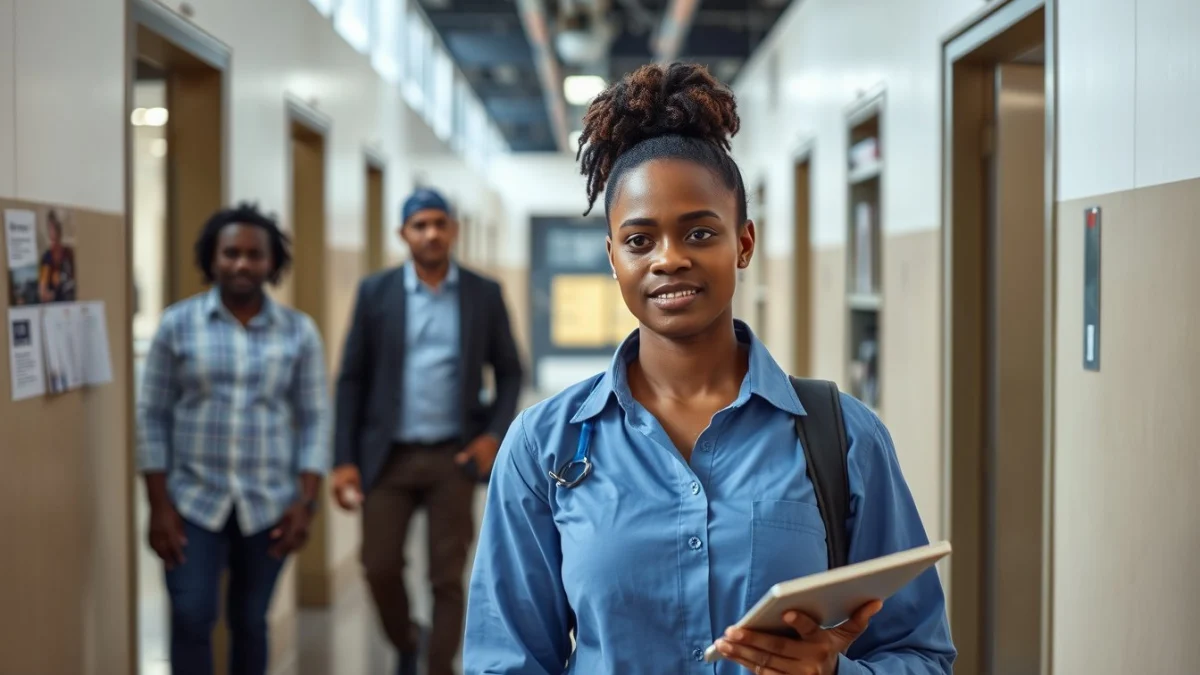
Good hand-eye coordination and basic mechanical understanding are important. You should also be able to read simple technical drawings and manuals. Basic electrical knowledge, such as recognising wires and understanding safety, is useful for many maintenance tasks.
Communication skills matter because you often work with supervisors, other workers, and sometimes tenants. Being able to explain problems clearly and follow instructions saves time and prevents mistakes.
Key Skills for Maintenance Assistants
- Using hand tools safely and correctly
- Simple repair work on pipes, doors, and electrical fixtures
- Identifying faults in equipment and systems
- Proper cleaning and upkeep of tools and work areas
- Health and safety awareness, including basic first aid
- Time management and organisation to complete tasks efficiently
To perform your job, you must have the right tools. Here are some common tools every maintenance assistant should know:
Basic Tools You Will Use
- Hand Tools: Screwdrivers, pliers, hammers, wrenches, and tape measures. These are used for fixing and adjusting fixtures and fittings.
- Power Tools: Drills and sanders help you work faster on repairs and installations.
- Electrical Testers: Such as voltage testers and multimeters, to safely check electrical systems.
- Plumbing Tools: Pipe wrenches and plungers for fixing leaks and blocked drains.
- Safety Gear: Gloves, goggles, and dust masks protect you while working in hazardous conditions.
- Cleaning Supplies: To maintain a safe and tidy work environment.
Knowing how to use these skills and tools properly will help you maintain buildings efficiently and safely. Always follow workplace safety rules and ask if you are unsure about any task or tool. This prevents accidents and keeps you and others safe.
With basic skills and the right tools, you can quickly learn more advanced maintenance tasks and grow in your role as a Facilities Maintenance Assistant.
Live Scenario • Active Situation
You are a Facilities Maintenance Assistant starting your shift in an office building.
There is no single perfect answer. Choose what you would do in this situation.
