
Handling Personal and Sensitive Data Securely
Protecting Personal and Sensitive Information in Everyday Life
Handling Personal and Sensitive Data Securely is important for everyone. This means knowing how to keep information safe from theft, loss, or misuse. Personal data includes your name, ID number, address, and phone number. Sensitive data covers things like your health records, bank details, race, and religion. If this information is not protected, it can lead to identity theft, fraud, or privacy breaches.
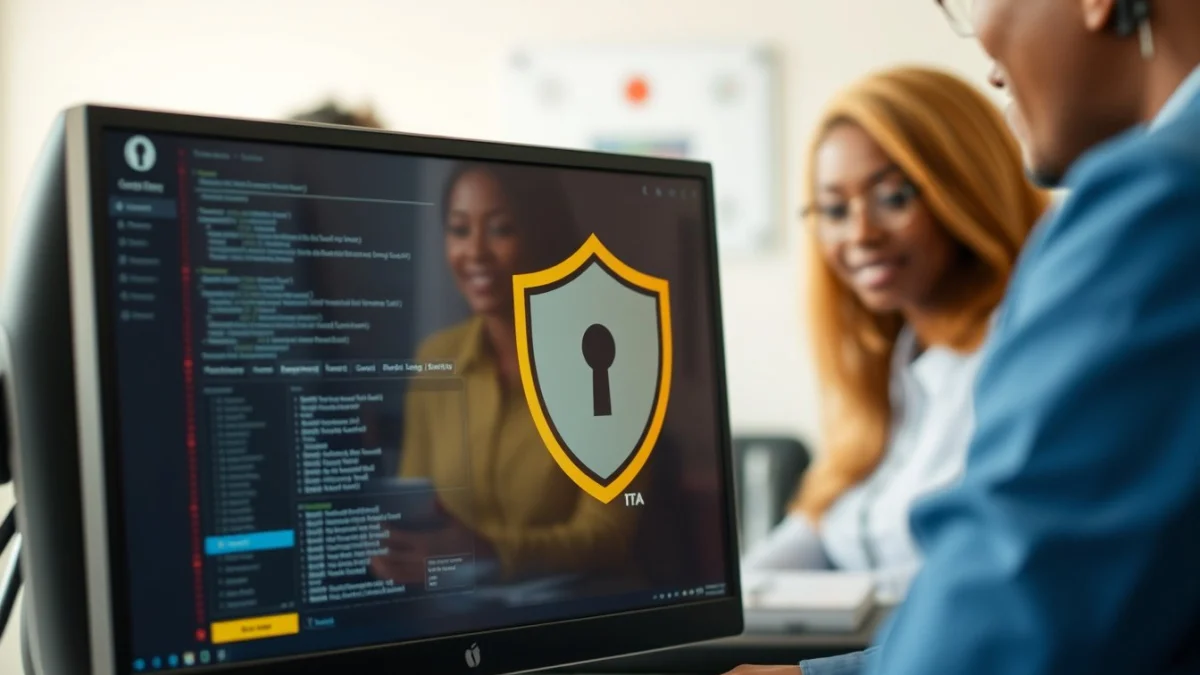
In South Africa, the Protection of Personal Information Act (POPIA) helps to protect personal information. It requires people and organisations to be careful when collecting, storing, and sharing personal data. As a learner, you should understand how to handle such data responsibly in everyday situations.
Key Steps for Handling Personal and Sensitive Data Securely
- Only collect necessary data: Ask for and keep only information that is needed for a specific purpose.
- Keep data safe: Use passwords on devices, lock files, and store documents in secure places.
- Be careful when sharing: Only share personal data with people who need it and trust. Use secure methods like encrypted emails or protected apps.
- Dispose of data properly: Shred physical documents and delete digital files permanently when no longer needed.
- Update your protections: Change passwords regularly and use antivirus software to stop hackers.
- Report problems: Tell someone in authority if you think personal data has been lost or stolen.
- Know your rights: You can ask organisations what information they have about you and request corrections if necessary.
It is especially important to be careful with your own personal information online. Do not share your ID number, passwords, or bank details on social media or with strangers. Use strong passwords and avoid using the same password for different accounts.
Organisations like schools, banks, and government offices have special rules to follow to protect your data. Always read their privacy policies to understand how they use your information. If you feel your data is not handled properly, you can report it to the Information Regulator in South Africa.
By practising these simple steps, you take control of your personal information and help keep yourself safe. Handling Personal and Sensitive Data Securely is key to protecting your privacy and avoiding problems like identity theft and financial loss.
Live Scenario • Active Situation
You are an administrative assistant at a health clinic handling patient records.
There is no single perfect answer. Choose what you would do in this situation.
