
Monitoring Safe Work Practices
How to Effectively Check Safety on Construction Sites
Monitoring safe work practices is essential to keep everyone safe on a construction site. It means regularly checking if workers follow safety rules and use the right protective equipment. This helps prevent accidents, injuries, and even deaths.
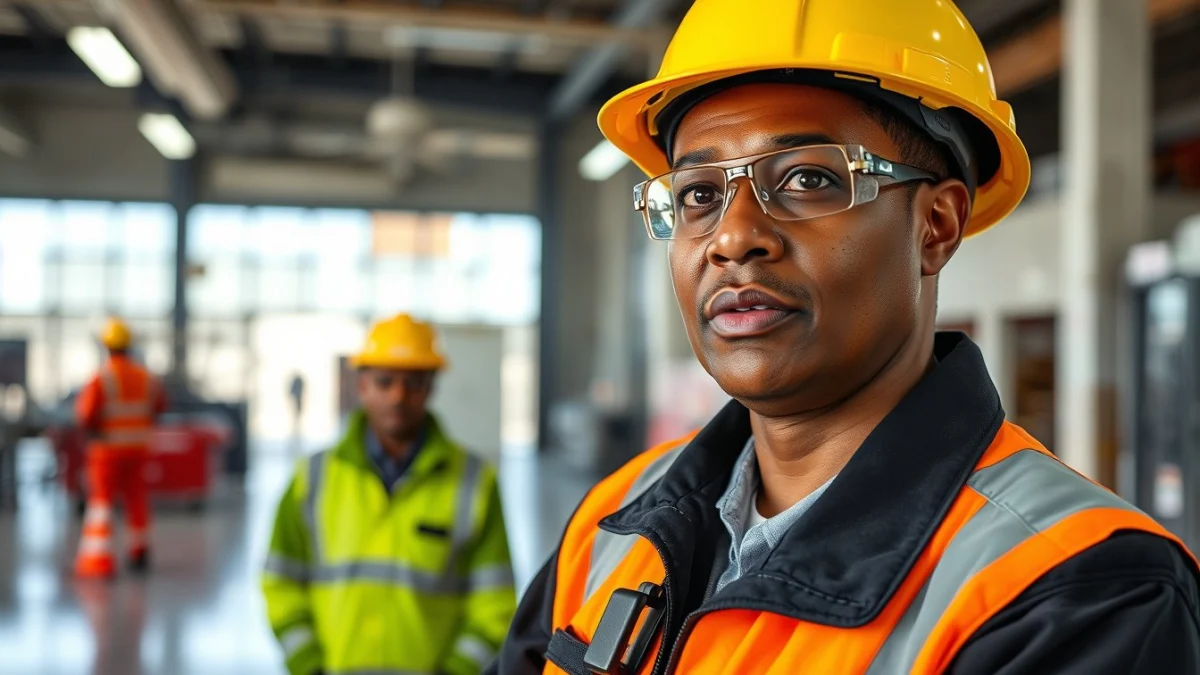
When you monitor safe work practices, you look out for hazards and unsafe behaviour. You make sure workers understand safety procedures and that all equipment is used correctly. This process helps identify problems early so they can be fixed before they cause harm.
In construction, dangers can change daily because the work environment changes. That is why monitoring must be ongoing. It is not enough to check once; it must happen continuously to keep the site safe.
Key Steps in Monitoring Safe Work Practices:
- Observe Work Activities
Watch how workers do their tasks. Look for unsafe shortcuts or missing safety gear like helmets and gloves. - Inspect Tools and Equipment
Check if tools are in good condition and properly maintained. Faulty tools can cause accidents. - Communicate with Workers
Talk to workers about safety. Ask if they understand the hazards and if they need help or training. - Use Safety Checklists
Follow a checklist to make sure no safety step is missed during inspections and observations. - Report and Fix Issues
Write down any unsafe conditions and tell the site manager or safety officer so they can fix problems fast. - Review Safety Rules Regularly
Make sure everyone knows the latest safety laws and site rules through meetings and training sessions.
Good monitoring also involves involving everyone in safety. Workers should feel comfortable reporting dangers without fear of punishment. When workers take part in safety checks, they learn to work more safely every day.
Using technology can help too. Cameras, safety apps, and electronic checklists make monitoring easier and more accurate. These tools provide real-time data that safety officers can act on quickly.
Remember, monitoring safe work practices is not about blaming workers. It is about keeping the site safe for everyone. By regularly checking and fixing unsafe conditions, we reduce risks and protect lives.
Every construction site must have a dedicated person responsible for safety monitoring. This could be a Safety Officer or Site Supervisor with the authority to stop unsafe work. Their role is to enforce safety standards and ensure compliance with South African health and safety laws such as the Occupational Health and Safety Act.
In conclusion, effective monitoring of safe work practices requires attention, communication, and action. It helps create a culture where everyone cares about safety, making construction sites safer places to work.
Live Scenario • Active Situation
You are a Construction Safety Officer monitoring a busy site where multiple teams are working on different building phases.
There is no single perfect answer. Choose what you would do in this situation.
