
Identifying Common Construction Hazards
Identifying common construction hazards is a key skill for any Construction Safety Officer. Knowing what hazards to look out for helps prevent accidents and keeps everyone safe on site. Construction work involves many risks, so recognising hazards early allows for quick action to reduce or remove danger.
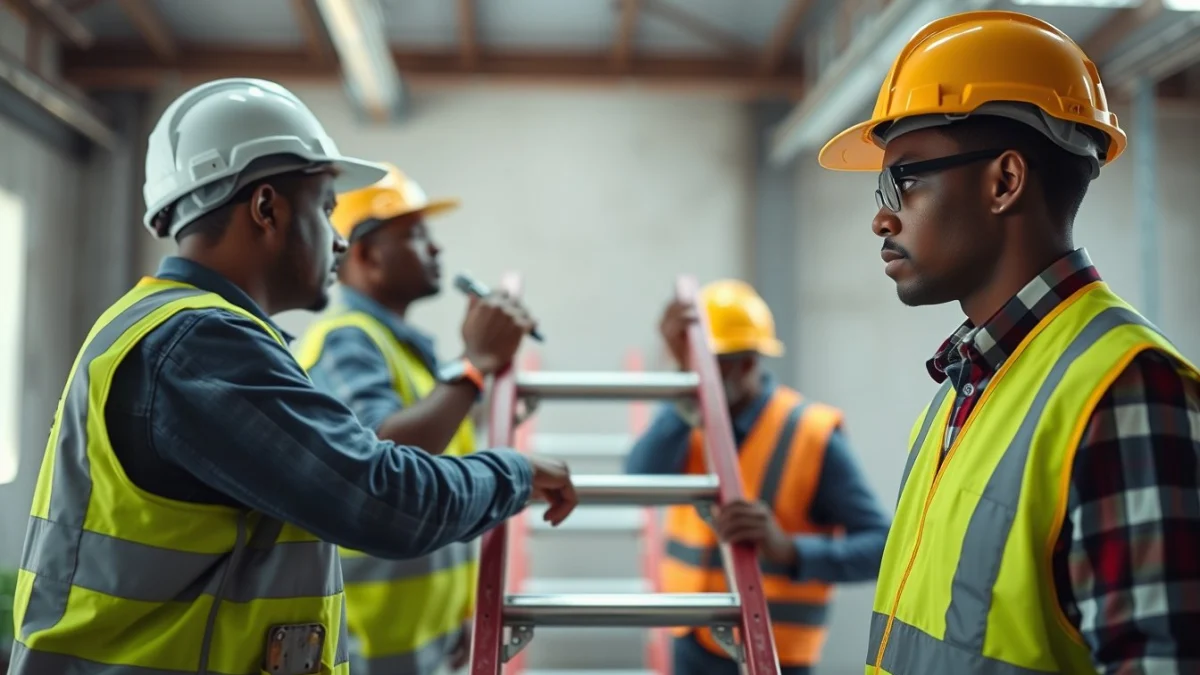
Most Frequent Hazards on Construction Sites
Construction sites can be busy and risky places. Here are the main hazard types you will often find:
- Falls from height: These are the leading cause of injury. Workers on scaffolding, ladders or roofs must be careful.
- Struck by moving objects: Machinery, vehicles, or falling tools can hit workers if proper controls are missing.
- Electrocution: Contact with live wires or electrical equipment causes serious injuries if safety rules are ignored.
- Tripping and slipping: Uneven surfaces, wet floors and clutter increase the risk of slips, trips and falls.
- Noise exposure: Loud machines damage hearing when workers do not use ear protection.
- Manual handling: Lifting heavy materials incorrectly causes back and muscle injuries.
- Excavation hazards: Trenches can collapse if not properly supported, trapping workers below ground.
Understanding these common hazards helps you check the site more thoroughly during inspections and risk assessments.
How to Spot Hazards Effectively
Follow these practical steps while walking through the site:
- Look carefully around for unsafe conditions such as broken equipment, poor lighting or loose scaffolding.
- Listen for warning sounds like unusual machine noises or alarms.
- Smell for chemical leaks or gas, which could be dangerous if unnoticed.
- Ask workers about any concerns they have noticed during their tasks.
- Check documentation like safety reports or previous incident logs to find recurring problems.
Why Identifying Hazards Matters
Early hazard identification is essential to stop accidents before they happen. By spotting risks early, you can:
- Prevent injuries and save lives
- Reduce costly damage to equipment and materials
- Improve productivity by avoiding work stoppages
- Ensure compliance with South African safety laws such as the Occupational Health and Safety Act
- Promote a safety culture that protects all workers
Remember, hazards change as the construction site develops. Regular checks and staying alert to new risks help maintain a safe working environment.
In summary, identifying common construction hazards is about knowing what dangers exist, spotting them early, and taking action to control them. This proactive approach is critical for every Construction Safety Officer to keep sites safe and workers protected.
Live Scenario • Active Situation
You are a Construction Safety Officer inspecting a busy site to identify common hazards.
There is no single perfect answer. Choose what you would do in this situation.
