
Using Risk Assessment Tools Effectively
How to Make the Best Use of Risk Assessment Tools on Site
Using risk assessment tools effectively is key to keeping construction sites safe. These tools help identify hazards, measure risks, and decide on control measures. When done right, they prevent accidents and protect workers from harm.
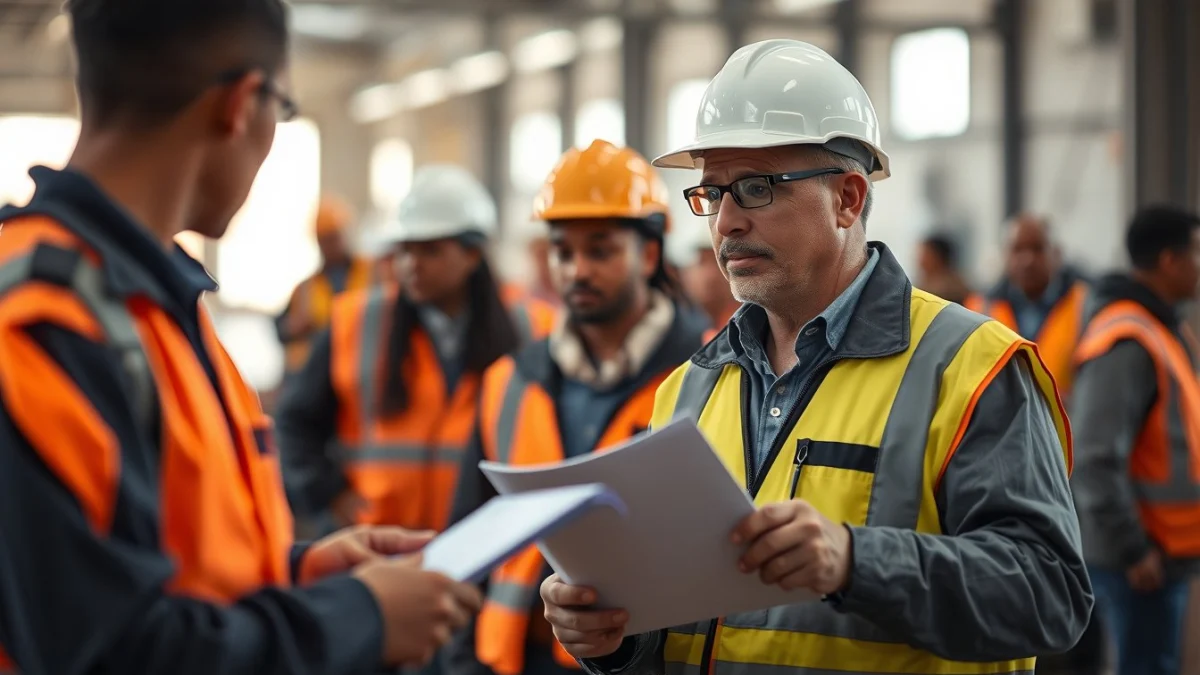
First, before starting work, always conduct a risk assessment. Walk around the site and look for potential dangers. Use checklists, hazard matrices, or software designed for risk assessment. These tools help spot risks that may be easy to miss by just looking.
Steps for Using Risk Assessment Tools Effectively
- Choose the right tool: Pick a tool that fits the size and type of your project. Simple checklists may work for smaller tasks, while bigger projects need more detailed software.
- Identify hazards: List all possible hazards like falling objects, electrical risks, or slippery surfaces. Use the tool to make sure you do not overlook anything.
- Assess risk levels: Use the risk matrix in your tool to rate the chance and severity of harm. Sort hazards into low, medium, or high risk categories.
- Decide on control measures: Find ways to remove or reduce risks, such as using safety gear or changing work methods. Use the tool to record and track these measures.
- Review and update: Risk assessments are not one-time tasks. Regularly update your assessment, especially when new hazards come up or after an incident.
Accurate data entry is important. Make sure all information you put into the tool is clear and correct. This helps everyone on site understand the risks and the safety steps needed.
Communication is also vital. Share the findings from your risk assessment with all workers, supervisors, and contractors. Use toolbox talks or safety meetings to explain the risks and controls clearly.
Finally, remember that risk assessment tools are just one part of safety management. Always combine their use with proper training, supervision, and safety culture to make your construction site safer.
Live Scenario • Active Situation
You are a Construction Safety Officer responsible for hazard identification and risk assessment on a busy site.
There is no single perfect answer. Choose what you would do in this situation.
