
Effective Communication with Construction Teams
How to Communicate Clearly on Construction Sites
Effective communication with construction teams is essential for keeping everyone safe and productive on site. When safety officers and team members communicate clearly, risks are reduced and work flows smoothly. Poor communication can lead to accidents, misunderstandings, and delays. This guide explains practical steps to improve communication in construction projects.
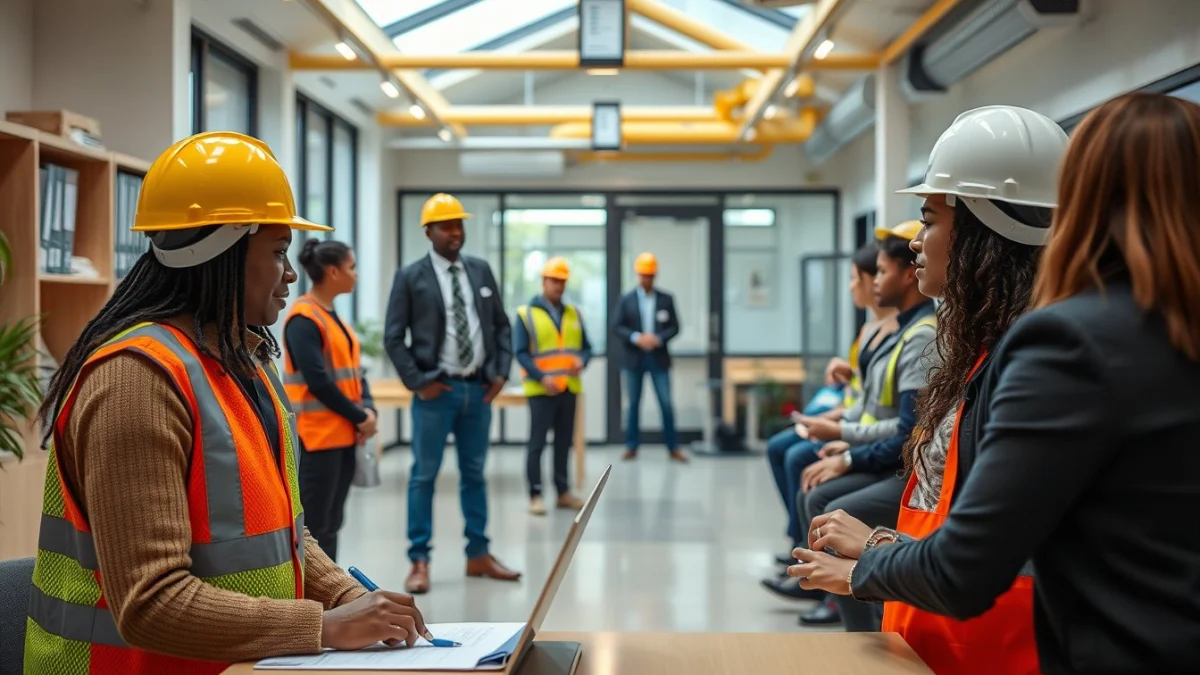
Construction sites are noisy and busy places. This makes it harder for messages to get through. Using simple language that everyone understands helps avoid confusion. Avoid technical jargon unless everyone knows what it means. Speak slowly and clearly, especially if English is not the first language of some workers.
Listen actively. Give team members time to ask questions or express concerns. Confirm you understand by repeating key points. This creates trust and ensures messages are received correctly. Remember, communication is two-way. It is not just about giving instructions but also about listening to feedback.
Key Tips for Effective Communication with Construction Teams
- Use face-to-face talks wherever possible, especially for safety instructions.
- Use hand signals or signs if noise levels are too high for talking.
- Provide written instructions or visual aids like diagrams to support verbal messages.
- Regularly hold toolbox talks to update teams on safety issues and site changes.
- Encourage workers to speak up if they notice hazards or need clarification.
- Keep messages short and focused; avoid overloading workers with too much information.
A communication plan can be helpful. This plan outlines who needs to pass information, how often, and by what method. For example, daily safety briefings can be held each morning. Critical updates might be sent by SMS or WhatsApp for quick reach. Written checklists ensure everyone covers the same safety points.
Technology can also improve communication on site. Radios, mobile phones, and apps help teams stay connected. However, these tools should not replace direct contact in urgent situations where clear and immediate communication is needed.
Remember that effective communication goes beyond words. Body language, tone of voice, and eye contact all play a role. Positive and respectful communication builds good relationships. Workers who feel respected are more likely to follow safety rules and report unsafe conditions.
Training all team members in communication skills and safety awareness is important. This includes supervisors, safety officers, and workers. Role-playing scenarios and drills can prepare teams for real-life emergencies where clear communication saves lives.
In summary, effective communication with construction teams requires simple language, active listening, clear instructions, and regular updates. Use a combination of verbal, written, and visual methods suited to your site’s conditions. Promote open dialogue and respect so everyone works safely together. Good communication is a vital tool for preventing accidents and improving construction site safety.
Live Scenario • Active Situation
You are a Construction Safety Officer on a busy site preparing to give safety instructions before starting a risky concrete pouring task.
There is no single perfect answer. Choose what you would do in this situation.
