
Types of PPE Used in Construction
Essential Personal Protective Equipment for Construction Workers
Types of PPE used in construction are vital for protecting workers from injuries and accidents. Construction sites have many hazards like falling objects, sharp tools, dust, noise, and chemicals. Wearing the correct PPE helps reduce risks and keeps workers safe.
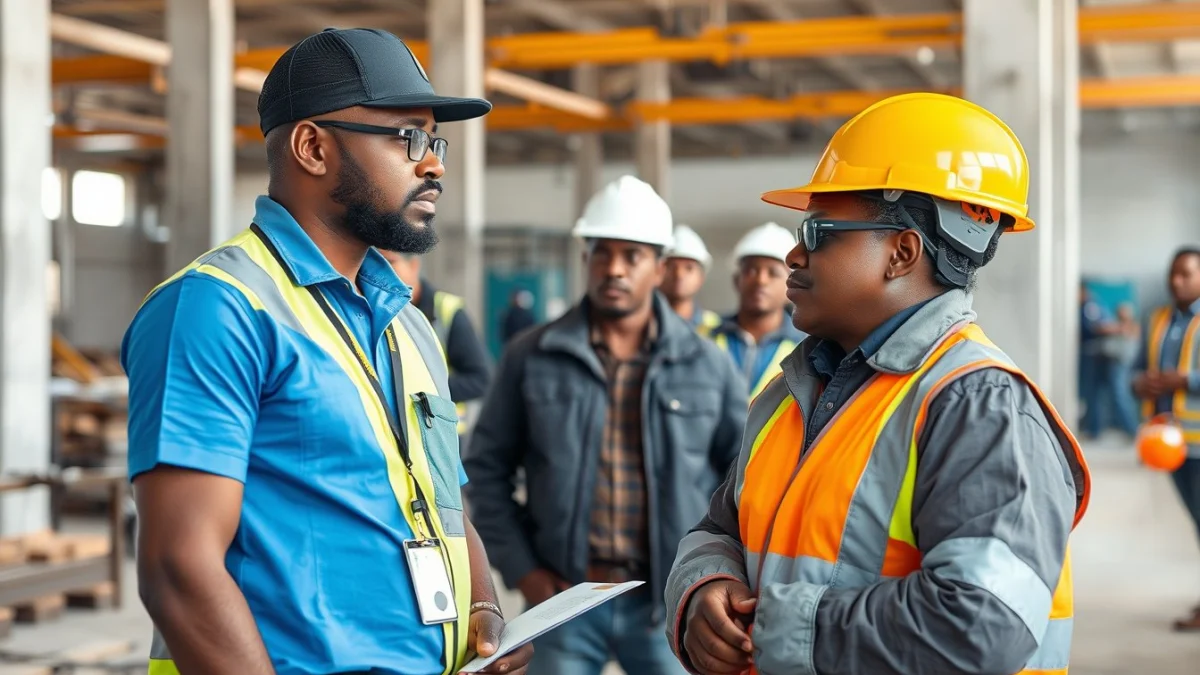
Different tasks require different PPE, so understanding what is needed helps you stay protected. Here are the main types of PPE used on construction sites:
Common PPE Categories in Construction
- Head Protection: Hard hats protect against falling objects and head bumps. They are made from tough plastic and should fit securely. Replace any damaged hard hats immediately.
- Eye and Face Protection: Safety glasses or goggles shield eyes from dust, flying debris, sparks, and chemicals. Face shields give extra protection during grinding or using chemicals.
- Hearing Protection: Construction noise can damage hearing. Earplugs or earmuffs reduce noise levels to safe amounts.
- Hand Protection: Gloves protect hands from cuts, abrasions, chemicals, and burns. Choose gloves suitable for the work, such as heavy-duty gloves for handling rough materials or chemical-resistant gloves for working with liquids.
- Foot Protection: Steel-toe boots protect feet from heavy falling objects and sharp debris. Boots should have slip-resistant soles for safety on wet or uneven surfaces.
- Respiratory Protection: Masks or respirators protect lungs from dust, harmful fumes, and gases. Use the correct type depending on the hazard, such as dust masks for general dust or respirators with filters for chemicals.
- Body Protection: Overalls, high-visibility vests, and protective clothing help prevent cuts, chemical splashes, and improve visibility to avoid accidents with machinery or vehicles.
Choosing the right PPE means considering the specific hazards you face daily. Always inspect your PPE before use and report any damage. Training on how to wear and maintain PPE correctly is also important.
Remember, PPE is the last line of defence. Safe work practices and hazard controls should be the first priority. But when risks remain, PPE keeps workers protected and reduces injuries on construction sites.
Live Scenario • Active Situation
You are a construction safety officer overseeing a busy site with many hazards.
There is no single perfect answer. Choose what you would do in this situation.
