
Basic South African Safety Regulations and Standards
Understanding Key Safety Rules in South African Construction
Basic South African Safety Regulations and Standards are essential for anyone working in construction. They help protect workers from accidents, injuries, and health risks on site. Knowing these regulations ensures a safe workplace and legal compliance.
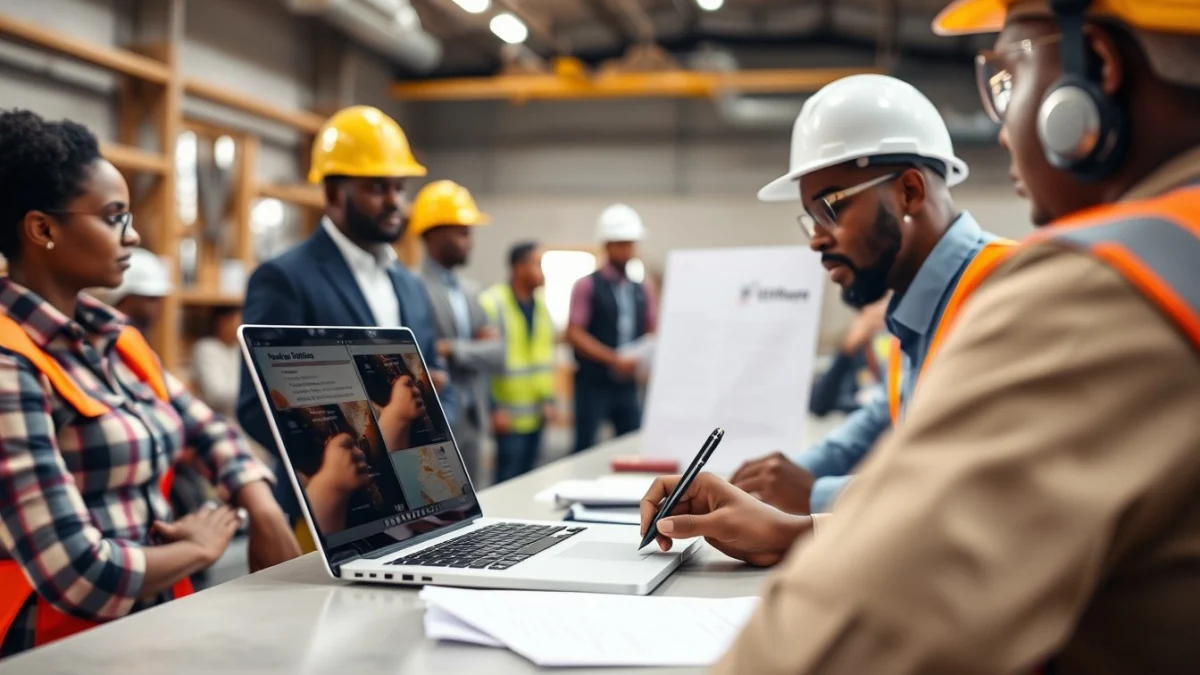
The main law for construction safety is the Occupational Health and Safety Act (OHSA), which sets out general duties for employers and employees. It requires safe work environments, proper training, and correct use of tools and machinery. Employers must identify risks, provide safety gear, and inform workers about hazards.
Another important set of rules comes from the Construction Regulations (CR) under OHSA. These regulations focus on construction-specific risks like working at heights, scaffolding, excavation, and electrical safety. They also require proper supervision and safe work procedures.
Basic South African Safety Regulations and Standards also include the use of personal protective equipment (PPE). Employers must supply items like hard hats, safety boots, gloves, and eye protection. Workers must wear PPE whenever required to reduce injury risks.
Keeping records is part of the legal requirements. This includes risk assessments, site safety plans, incident reports, and training records. Proper documentation helps show compliance and supports continuous safety improvement.
Key Points to Remember
- Follow the Occupational Health and Safety Act (OHSA) for general work safety.
- Adhere to the Construction Regulations (CR) for site-specific risks.
- Use and maintain correct personal protective equipment (PPE) at all times.
- Report hazards and accidents immediately to the supervisor.
- Participate in safety training and toolbox talks regularly.
- Keep work areas clean and organized to prevent accidents.
- Ensure all equipment and machinery are inspected and safe to use.
Understanding and applying basic South African safety regulations and standards helps reduce risks on construction sites. It protects workers’ health and lives, creates a better work environment, and avoids legal problems for companies. Safety is everyone’s responsibility, so always stay informed and follow the rules.
Live Scenario • Active Situation
You are a site safety supervisor on a busy construction project in Johannesburg.
There is no single perfect answer. Choose what you would do in this situation.
