Why Communication Skills Matter for Educational Support Workers
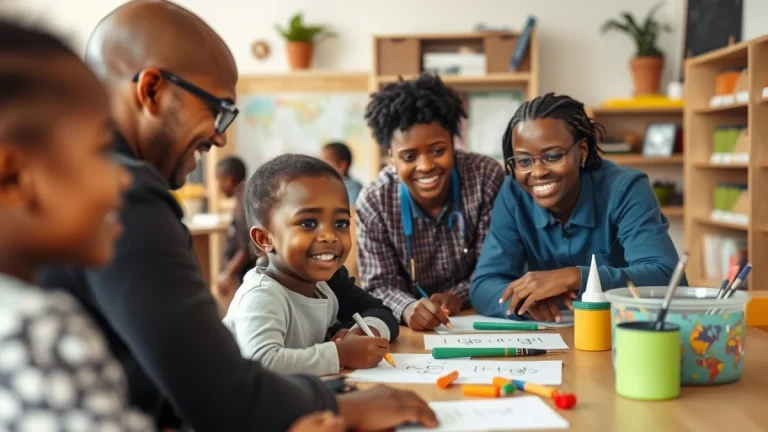
If you’re looking for a free educational support worker course with certificate in South Africa, learning communication skills is a key reason why. In school settings, you’re not just assisting learners — you’re the bridge between teachers, learners, and parents. How well you communicate shapes the support learners get every day.

Many beginners feel nervous about “saying the right thing” or managing complex classroom conversations. What trips people up is realising that communication goes far beyond talking clearly. It’s about reading situations, tuning in to learners’ emotions, and working with others professionally. For example, missing subtle non-verbal cues from a learner can mean missing signs of struggle that need urgent help.
What Communication Skills Do Educational Support Workers Need?
At the core, communication skills cover:
- Verbal communication: Clear, respectful speaking and encouraging positive language.
- Non-verbal cues: Understanding body language, facial expressions, and tone of voice.
- Active listening: Paying full attention and giving feedback that shows you understand.
- Written communication: Keeping accurate notes and reports without jargon.
- Collaboration: Sharing information sensitively with teachers, parents, and specialists.
Each part helps build trust and makes sure the learner’s needs don’t get lost. In South African classrooms, diversity and language differences add layers to this challenge. Knowing how to adapt your style is critical.
How Communication Impacts Daily Work in Schools
Picture this: A learner seems withdrawn but keeps avoiding eye contact. A good educational support worker notices that non-verbal signal and gently asks questions, showing empathy without making the learner feel exposed. This opens the door to support the learner emotionally and academically.
Or imagine a parent-teacher meeting where you must explain a learner’s progress. Your words need to be clear and respectful—especially if there are sensitive issues. If the communication is off, parents might feel defensive or confused. That affects teamwork for the child’s benefit.
Practical Example: The Power of Listening
Sibongile, a beginner educational support worker at a township school, once missed signs when a learner was bullied. She was too focused on ticking off tasks rather than listening actively. The result: the child kept struggling without help. After some training, she learned to ask open questions and genuinely listen, which built rapport and revealed issues earlier.
Common Misunderstandings About Communication in Educational Support
- “Talking more equals better communication.” In reality, pushing info overload or interrupting learners or teachers can backfire. Silence and respect matter.
- “You must be perfect at language.” Clear, honest, and kind communication matters more than perfect grammar or formality. Many schools are multilingual and informal tones often work better.
- “Documentation is just paperwork.” Effective written communication means clear, objective notes that matter during interventions and handovers.
Failing in these areas can cause misunderstandings, delays in support, or strain on relationships. Beginners sometimes confuse professional boundaries, thinking communication means “being friends” rather than respectful partners with clear roles.
Tips for Beginners: Building Strong Communication Skills
- Observe before speaking: Watch how learners and teachers communicate non-verbally.
- Ask simple, open questions: Encourage learners to share feelings and concerns.
- Practice active listening: Show you’re listening by summarising or nodding.
- Keep records factual and objective: Avoid opinions or assumptions in reports.
- Learn basic phrases in local languages: This builds trust in South African multilingual contexts.
- Set clear boundaries: Know when to refer issues to teachers or specialists without trying to fix everything yourself.
FAQs About Communication Skills for Educational Support Workers
What does “active listening” really mean for a support worker?
How do I handle communication with parents who might be defensive?
Why is non-verbal communication so important in classrooms?
Can communication skills be learned on the job?
Putting Communication Skills Into Practice
Think of communication as teamwork glue. Whether it’s helping a learner with a task, chatting with a teacher about progress, or writing a report, how you communicate makes the difference between confusion and clarity.
Try to practise small daily habits: summarise instructions aloud to make sure you and the learner understand each other, check in with teachers about preferred communication styles, and keep conversations brief but warm to maintain professional boundaries.
Over time, these basic skills help build strong working relationships and positive learning environments in South African schools. Remember, communication isn’t just spoken words — it’s how you connect, understand, and support everyone around the learner.