Why Communication Skills Matter for Community Health Workers
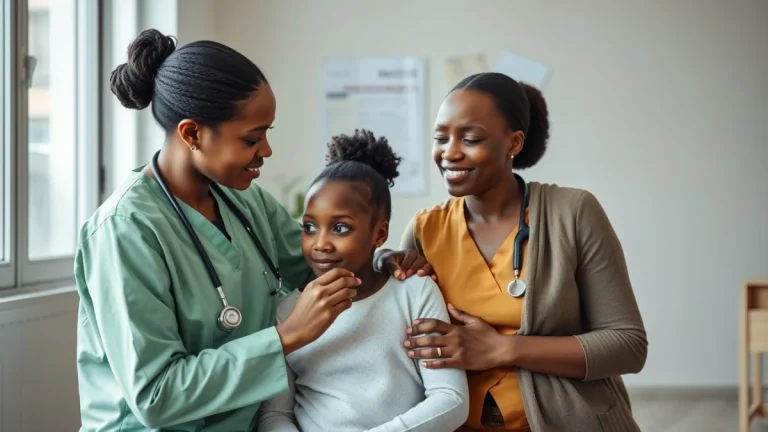
Good communication is the heart of community health work. If you’re taking a free community health worker course with certificate in South Africa, getting clear on communication skills gives you a huge head start. In real life, a community health worker’s day often includes explaining treatments to worried patients, calming an anxious caregiver, or talking with local clinics—sometimes all before midday.
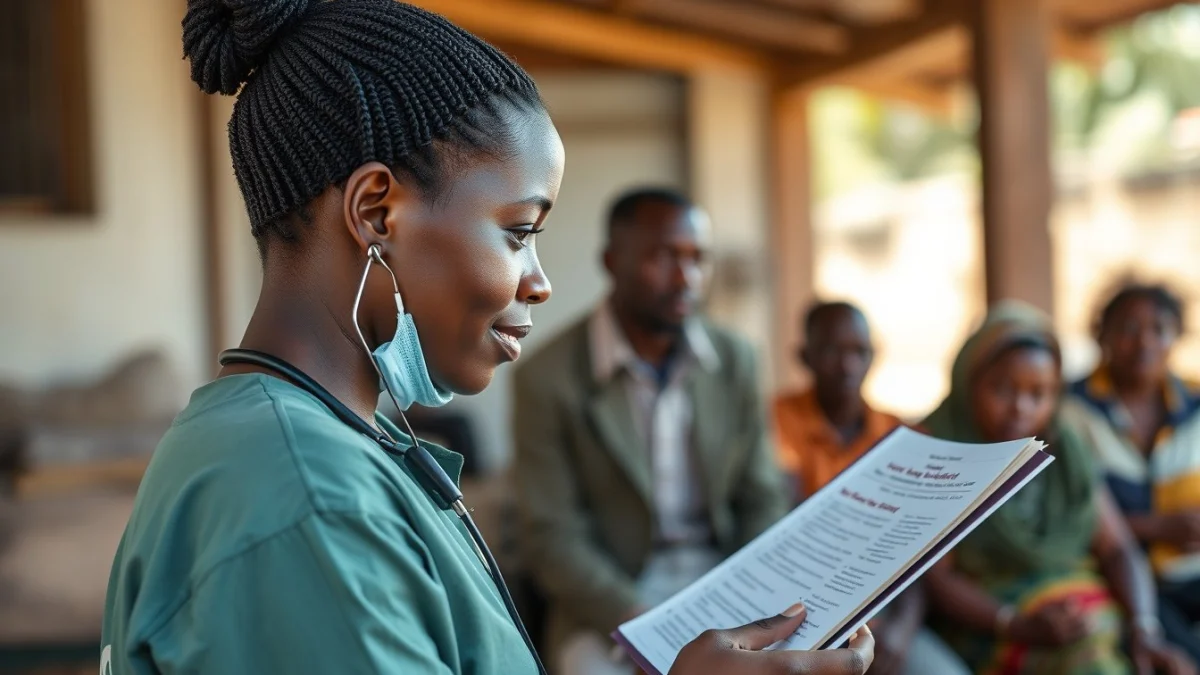
Beginners often think communication is just “talking nicely.” But it’s much more: it means understanding cultural differences, reading non-verbal cues, and handling tough situations on the spot. Many in South Africa face unique challenges like language barriers or stigma around illnesses, and knowing how to navigate these makes your work effective and respectful.
What Good Communication Looks Like in Community Health Work
At its core, communication for community health workers is about sharing information so patients understand and feel supported. This includes:
- Using simple, clear language without medical jargon
- Listening actively to understand patients’ concerns
- Being sensitive to cultural beliefs and practices
- Reading body language to catch unspoken worries
- Providing encouragement and building trust
A free community health worker training South Africa offers will cover these but expect real-world work to push you to practise patience and empathy. Many workers find that people open up more when treated with genuine respect rather than rushed advice.
Key Communication Skills Every Community Health Worker Should Master
1. Verbal Communication
Speak in a way your patient understands. Avoid technical terms, use local languages if possible, and keep your tone friendly but respectful. This makes it easier to explain health advice on hygiene, medication, or referrals.
2. Non-Verbal Communication
Facial expressions, gestures, and posture can say more than words. A nod or smile helps patients feel safe. Watch for crossed arms, lack of eye contact, or distracted looks—they may mean discomfort or confusion.
3. Active Listening
Listening without interrupting shows you care. Repeat back what the person says to confirm understanding, and show empathy with phrases like “I see this is hard for you.” This builds trust and encourages openness.
4. Overcoming Barriers
South Africa is rich in cultures and languages. Knowing common phrases in multiple languages or using pictures can help break communication blocks. Be aware that stigma around diseases like HIV or mental health may make people reluctant to talk openly.
5. Clear Health Education
Helping communities understand how to prevent illness means simplifying complex info. Use stories, examples, and simple visuals to promote hygiene, immunization, and healthy habits effectively.
A Common Pitfall: Talking Without Listening
Many new community health workers focus on giving information fast and forget to really listen. This often leaves patients confused or feeling ignored. The result? Poor treatment adherence or missed signs of worsening health.
One overlooked insight is that repeating what patients say in your own words can reveal misunderstandings early. It also shows respect, letting patients know you hear them fully. Don’t rush your conversations—even a quick check on how well they understood can change outcomes.
What Communication Tasks Really Look Like on the Job
Imagine you visit a local family to check on an elderly patient with diabetes. You might find the patient hesitant to share how they manage their medication. Your job is to gently ask about their routine, pick up any worries from their tone or expressions, and explain why keeping a steady sugar level matters.
You will also write brief reports for clinic staff, so your notes must be clear and precise without revealing confidential details. Up your communication game here by learning standard forms and keeping patient info secure.
How to Get Better at Communication: Tips for Beginners
- Practice role-play scenarios with family or friends, switching between patient and health worker roles
- Use simple language and avoid medical terms unless you explain them
- Take notes during interactions to remember key points and improve your reporting
- Ask colleagues or supervisors for feedback on your patient interactions
- Learn basic phrases in local languages common in your area
- Watch body language and adjust your tone to match the situation
FAQs About Communication Skills for Community Health Workers
Why is communication hard in South African communities?
Can I improve communication skills through an online course?
What’s a beginner mistake when trying to communicate health info?
How important is non-verbal communication?
Final Thoughts
Strong communication skills can make or break a community health worker’s impact. They help you build trust, deliver clear health advice, and support patients through often difficult situations. Starting your online community health worker certificate course South Africa with a focus on communication makes your learning relevant and practical.
Ready to improve these skills and take your first step into community health work? Get started on the free community health worker course with certificate in South Africa. It’s designed to give beginners like you the real-world skills needed to serve communities confidently.