Common Challenges Faced by Families of Children with Special Needs
If your family includes a child with special needs, you probably know the struggles can be overwhelming. The good news is that support and understanding can make a real difference. This is why a Free Special Needs Care Course with Certificate in South Africa can be a valuable starting point for caregivers and family members wanting practical tools to cope and improve care.
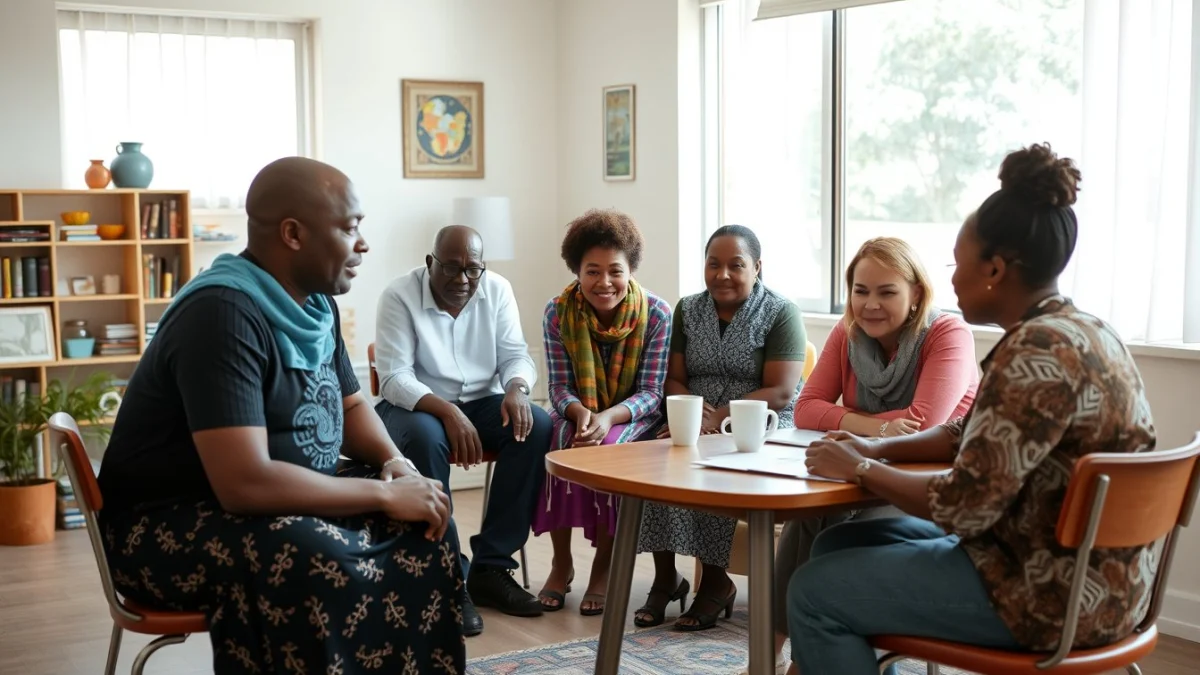
Many beginners don’t expect just how exhausting managing daily tasks alongside emotional stress can be. For example, in South African households, juggling medical appointments, therapies, schoolwork, and basic mobility care often leaves families drained and unsure where to turn next. Without proper knowledge, simple mistakes like improper feeding techniques or unsafe transfers become common and stressful.
How Special Needs Challenges Affect Families
Caring for children with special needs involves more than just addressing physical needs. Families commonly face emotional strain, financial pressure, and social isolation. The challenges show up in everyday routines and often make it difficult for caregivers to find time for themselves or other family members.
The following are some of the front-line difficulties families usually experience:
- Physical Care Demands: Tasks like safe transferring or feeding require specific skills to avoid injury or distress.
- Communication Barriers: Understanding non-verbal cues or behavioural challenges needs patience and techniques that aren’t obvious without training.
- Emotional Stress: Caregivers might feel overwhelmed, isolated, or frustrated, especially without support networks in place.
- Financial Pressure: Therapies, assistive devices, and sometimes specialized schooling can create economic burdens.
- Social Isolation: Busy care schedules leave less time for social activities, causing loneliness for both caregivers and children.
Understanding These Challenges: What This Means for Caregivers
These challenges aren’t just hard to face—they can wear caregivers down physically and emotionally if handled alone. Learning the right skills early, through a free special needs care course South Africa offers, helps families avoid common errors like unsafe transfers or ineffective communication.
One overlooked insight is how much cultural beliefs and local context affect care approaches here. South African families often navigate diverse expectations around disability, sometimes resulting in stigma or misunderstanding. A course that includes cultural sensitivity and ethics training is especially useful to manage this day-to-day reality.
Practical Example: A Day in the Life of a Caregiver
Imagine a mother in a township caring for her son with cerebral palsy. Her day starts early with assisted morning hygiene and feeding, requiring safe techniques to avoid choking. Without training, she might struggle to know how to support nutrition or manage mobility safely, risking injury to both her child and herself.
Later, communicating his needs can be challenging if he has limited speech. Using basic sign language or visual aids—skills learned in a special needs care online course with certificate free South Africa—can ease frustration. Managing behaviour calmly during stressful episodes also highlights the need for positive behaviour support techniques.
This example shows that even simple daily tasks can become all-consuming without support and training, affecting the whole family’s wellbeing.
Common Misunderstandings About Caring for Special Needs Children
- “Care is just about medical needs.” Care involves emotional, educational, and social support too.
- “I have to do everything perfectly right away.” Care skills develop gradually; making mistakes is part of learning.
- “If my child doesn’t improve fast, care isn’t working.” Progress can be slow and non-linear; patience and consistency matter most.
- “Only professionals can provide proper care.” Family members can learn essential skills through free beginner special needs care courses South Africa offers.
- “Special needs care is too expensive.” Free online courses with certificates help reduce costs of gaining proper training.
Advice for Caregivers Starting Out
If you’re new to this, start by focusing on learning small but important skills:
- Practice safe physical support techniques to prevent injuries.
- Use simple communication tools like gestures or pictures.
- Set manageable daily routines but be flexible.
- Reach out for help from support groups or online communities.
- Take care of yourself—stress can build quickly without breaks.
Joining a special needs care skills course free South Africa offers is a concrete way to gain knowledge, build confidence, and find direction in this demanding role. It also connects you to others facing similar challenges.