Can a Community Health Worker Certificate Help You Find a Job?
If you’re looking to start a career in healthcare or social support, a Free Community Health Worker Course with Certificate in South Africa can open doors. This certificate shows employers you’ve completed relevant training and learned essential skills to make a real difference in communities. But beyond the certificate, the role demands practical abilities and understanding of the day-to-day challenges community health workers face.

Many beginners wonder: Does having this certificate translate to job opportunities or just fill a gap on a CV? The truth is community health work involves more than theory — it requires hands-on care, patience, and the ability to navigate South Africa’s unique healthcare landscape. Understanding this helps avoid frustration when the workplace isn’t as straightforward as the training suggests.
What Does a Community Health Worker Do?
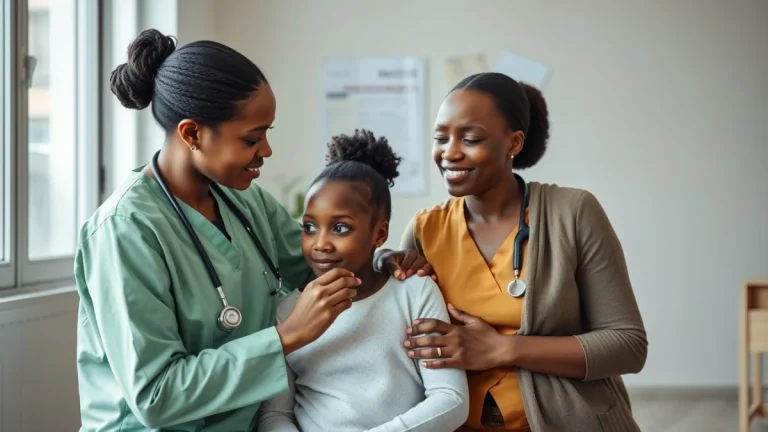
Community health workers (CHWs) are frontline helpers in local health settings. They support clinics, visit patients in homes, and promote health education in communities. Think about a busy day where a CHW must check in on a patient with diabetes, identify early signs of infection in a child, and then educate a family about HIV prevention all within a few hours. The work stretches from basic first aid to managing chronic illnesses, often with limited resources.
One reality newcomers sometimes miss: CHWs are often the bridge between communities and the formal healthcare system. That means managing patient fears, cultural differences, and sometimes emotional burnout—none of which is covered in textbooks but happens constantly.
Skills Needed to Succeed
- Communication: Clear, empathetic conversation is key. You’ll explain health info simply, listen carefully, and sometimes manage language or cultural barriers.
- Observation: Spotting symptoms or changes in health status early can save lives, so attention to detail matters.
- Basic Medical Knowledge: Know your body systems, first aid, and common diseases prevalent in South Africa’s communities.
- Ethics and Confidentiality: Respecting patient privacy is non-negotiable, even in close-knit communities.
- Resilience: Days can be emotionally heavy. You’ll encounter illness, poverty, and trauma. Self-care is part of staying effective.
A common beginner mistake is underestimating the emotional strain. Many leave roles because they aren’t prepared for community crises or lack of immediate resources. Training that covers stress management and workplace safety helps a lot.
Qualifications and Learning Path
In South Africa, employers usually look for some form of community health worker training with certificate, especially if free community health worker training South Africa providers offer practical lessons. A well-designed online course, like the one at EduCourse, covers core topics like human anatomy, communication, chronic disease management, maternal and child health, and mental health awareness.
Starting with a beginner community health worker course South Africa offers for free can save you time and money. The certificate course lets you show you can handle the role’s responsibilities without having to attend physical classes, which is a big plus in today’s job market.
Where Do Community Health Workers Get Hired?
Jobs for community health workers appear in varied settings:
- Public Health Clinics: Many CHWs are employed by government clinics to provide outreach and follow-up care.
- Non-Profit Organisations: NGOs working in rural and urban areas often hire CHWs for community programmes.
- Private Healthcare Providers: Some private clinics and hospitals use CHWs to extend patient support services.
- Schools and Early Childhood Development Centres: Supporting children’s health and hygiene awareness.
In practical terms, community health workers often juggle multiple roles in one workday—from recording patient details to walking long distances for home visits. Expect variety, but also limited resources and reliance on your own problem-solving skills.
Career Growth Opportunities
Starting as a community health worker can lead to other health and social care roles:
- Community Caregiver or Home-Based Carer
- Health Promotion Officer
- Clinic Assistant or Data Clerk
- Enrolled Nursing Assistant (with further training)
- Supervisory roles within community health teams
- Specialisation in fields like HIV/AIDS counselling or maternal health
Many South Africans use the CHW certificate as a stepping stone, combining workplace experience with further study. The key is to keep learning and seek mentoring wherever possible.
Salary Expectations
Salaries for community health workers vary widely depending on employer and location. Public sector CHWs typically earn between R4,000 and R7,000 per month starting out. In NGOs or private settings, the pay may differ but often includes benefits like transport allowances.
Don’t expect high wages initially; community health work is labour-intensive with modest pay. However, experience and additional qualifications can improve your earning potential over time.
What’s Next: Future Opportunities
The role of CHWs is growing with South Africa’s focus on primary healthcare and community-based support. Technology is starting to be introduced, such as using mobile devices for data capture, which means future job roles may require digital skills. Staying adaptable and open to new learning will strengthen your career.
Also, as mental health awareness increases, CHWs with relevant skills will be in higher demand to support early identification and referral.
Tips for Beginners Starting a Community Health Worker Career
- Choose a course that offers a free community health worker training South Africa residents can complete at home.
- Practice active listening and empathy early—it’s more than just medical knowledge.
- Get familiar with local health challenges and resources.
- Prepare for emotional challenges—link up with peer groups or mentors for support.
- Keep records meticulously; this habit is crucial and often overlooked in training.
- Be honest about what you don’t know and seek help when needed.
- Focus on building trust with patients and families; this goodwill opens many doors.
- Try to gain volunteer experience alongside your study—it boosts confidence and your CV.