Basic First Aid Skills Everyone Should Know

Quick Answer

Basic first aid skills are essential for everyone to manage minor injuries and emergencies effectively before professional help arrives. These skills include CPR, wound care, choking response, and emergency preparedness. A free first aid course with certificate in South Africa can teach these skills, helping you stay ready to save lives and prevent injuries.

Why Basic First Aid Skills Matter for Everyone

Knowing basic first aid skills can make a vital difference in emergencies. Whether at home, work, or in public, quick and correct first aid can save lives and reduce recovery times. A free first aid course with certificate in South Africa empowers beginners with practical knowledge to respond confidently in accidents or health emergencies.

First aid training is not only for healthcare professionals. In reality, anyone might be the first person to help after an accident or sudden illness. Understanding emergency first aid training improves your ability to react calmly and effectively. This includes skills like CPR, injury treatment, and managing common medical emergencies.

Core Basic First Aid Skills You Should Know

Basic first aid skills cover a range of emergency responses. Starting with the initial assessment of a situation, you learn how to ensure your own safety and that of the injured person. Next, practical skills like performing CPR and using an automated external defibrillator (AED) are crucial for life-saving interventions.

Wound care is another important skill. You should know how to stop bleeding, clean wounds, and apply dressings correctly to prevent infection. Learning the treatment of burns, shock, fractures, and choking emergencies is also part of comprehensive first aid training.

Additionally, knowing how to manage medical emergencies such as heart attacks, strokes, seizures, and allergic reactions can save lives. Basic life support techniques, including placing a person in the recovery position, support breathing and prevent further harm until medical personnel arrive.

Practical Steps to Apply Basic First Aid

When facing an emergency, follow these steps: first, check for danger to protect yourself and others. Second, assess the injured person’s condition by checking responsiveness, breathing, and bleeding. Third, call emergency services or ask someone else to do so immediately.

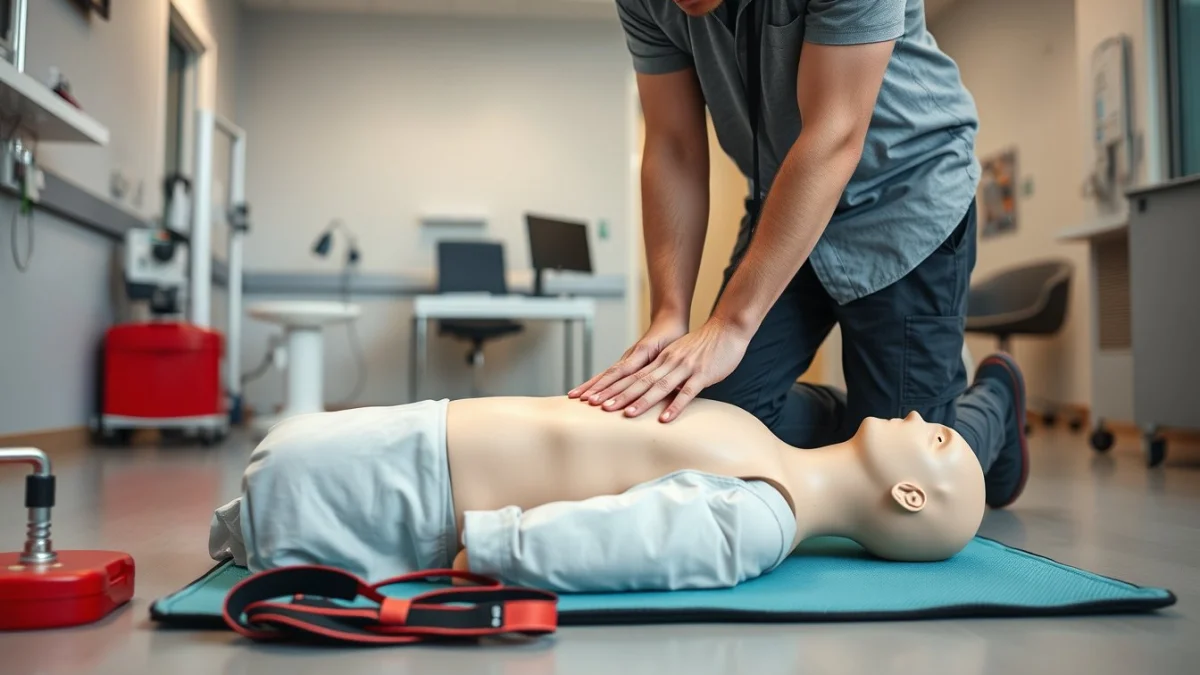
Next, start appropriate first aid methods. For example, if someone is unconscious but breathing, place them in the recovery position. If the person isn’t breathing, begin CPR—30 chest compressions followed by 2 rescue breaths—and continue until help arrives. Use an AED if available and you are trained.

For bleeding, apply firm pressure with a clean cloth and elevate the injury if possible. For burns, cool the area with clean, lukewarm water and cover with a sterile dressing. Avoid giving food or drink to an unconscious person and reassure them calmly.

Common Mistakes to Avoid When Giving First Aid

Many first responders make avoidable errors, often due to panic or misinformation. Avoid moving seriously injured individuals unless there is immediate danger. Improper CPR technique, such as incorrect hand placement or improper ventilation, can reduce effectiveness.

Never apply ice directly on burns or wounds, and avoid using home remedies that might cause infection. Not calling for emergency help promptly slows down professional care. Avoid giving medication unless trained and authorised, as this could worsen the situation.

Being aware of these pitfalls and practicing regularly through a structured emergency response course improves your confidence. This preparation ensures you provide the right first aid at the right time, increasing the chance of a positive outcome.

How to Stay Prepared with First Aid Skills

First aid skills require ongoing practice and refreshers. Participating in online first aid course for beginners or workplace first aid training in South Africa gives you access to up-to-date procedures and health and safety practices. Using scenarios and quizzes in training enhances retention of key concepts.

Keep a well-stocked first aid kit accessible at home, in the car, and at work. The basic contents include sterile dressings, adhesive tape, scissors, gloves, antiseptic wipes, and a resuscitation face shield. Regularly check and replenish supplies to ensure readiness.

Remember to review your emergency communication plans, such as knowing the correct emergency numbers in South Africa and how to report incidents effectively. Staying informed about health and safety first aid helps you handle emergencies calmly.

Continue Learning with Free First Aid Course and Certification

Building your first aid skills starts easily with an online safety training platform. You can enrol in a free first aid course with certificate in South Africa to learn all essential topics from first aid basics to advanced emergency care. This course covers CPR and life-saving techniques, wound treatment, burns, fractures, choking, and more.

With flexible online learning, you can progress at your own pace, test your knowledge with quizzes, and earn a first aid certificate upon completion. Such certification boosts your workplace safety credentials and your ability to assist in everyday emergencies.

Explore more about essential workplace safety courses or online health and safety courses that complement first aid training. Equipping yourself with these valuable skills supports safer homes, workplaces, and communities across South Africa.

Ready to start your journey in first aid skills training? Get practical knowledge and gain a free first aid certificate by enrolling today in EduCourse’s Free First Aid Certificate Course. Prepare yourself to confidently respond to emergencies and make a difference.

FAQs About Basic First Aid Skills

What are the most important first aid skills for beginners?
Beginners should focus on learning CPR, choking management, bleeding control, wound care, and how to assess an emergency safely. Understanding when to call emergency services and how to use basic first aid equipment is also essential.
Can I learn first aid skills online effectively?
Yes, online first aid courses offer comprehensive lessons with videos, quizzes, and practical demonstrations. Though hands-on practice is beneficial, online learning provides a flexible introduction and refreshes your knowledge conveniently.
How often should I update my first aid training?
It is recommended to refresh first aid training every two years. This helps keep skills current, especially for CPR techniques and emergency procedures that may change over time.
Is first aid training important for workplace safety?
Yes, first aid training is a key part of workplace safety. It prepares employees to respond to accidents promptly, minimising injury severity and complying with health and safety responsibilities.
EduCourse Learning Team

The EduCourse Learning Team creates practical, beginner-friendly online learning content designed to help individuals build real skills at their own pace. With a focus on accessibility and structured learning, the team develops guides and resources across areas such as Microsoft Office, data entry, and workplace skills.

Their goal is to make online learning simple, flexible, and useful for anyone starting their skills development journey.

Articles: 430

EduCourse Help

Find quick answers to common questions.

How to Register

To register on EduCourse:

  1. Go to the registration page:

    Register on EduCourse
  2. Enter your details (name, email, and password)
  3. Click Register / Sign Up
  4. Log in to your account

You can then enrol in any course and start learning immediately.

Was this helpful?
Thank you for your feedback.

How to Start a Course?

To start a course on EduCourse, you must first be logged in to your account.

  1. Go to the Browse Courses page:

    Browse EduCourse Courses
  2. Choose the course you want to study
  3. On the course page, click Take This Course
  4. After enrolling, start with Lesson 1

Some courses are open, so you may not see the Take This Course button. If that happens, simply start with Lesson 1.

Please make sure you are logged in so your course progress can be saved.

Was this helpful?
Thank you for your feedback.

Downloading Certificates

You must be logged in and finished a course. To download a certificate on EduCourse, you have two easy options.

  1. You can download it from the completed course page itself.
  2. You can also access your certificates by going to the menu, choosing Academic Records, and then selecting

    My Certificates
    .

To access your certificate, click the certificate icon.

On the certificate page, you can click the certificate preview to download it or scroll down and click Download PDF.

Was this helpful?
Thank you for your feedback.

How to Update Certificate Name?

To update your name on EduCourse, you must first be logged in to your account.

  1. Go to My Details from the menu.
  2. Edit your name in the profile section.
  3. Click Update to save your changes.

After updating your name, you can re-download your certificate with the corrected details.

Was this helpful?
Thank you for your feedback.

How to Verify a Certificate?

There are multiple ways to verify an EduCourse certificate.

1. Scan the QR Code

The easiest way to verify a certificate is to scan the QR code displayed on the certificate using your mobile device.


2. Verify Online

You can also verify a certificate online by visiting:


Verify Certificate

Enter either:

  • The user's South African I.D Number
  • Or the Certificate ID Number

The system will display matching certificate records if available.

Was this helpful?
Thank you for your feedback.