Why Learning Through Play Matters in Early Childhood Development
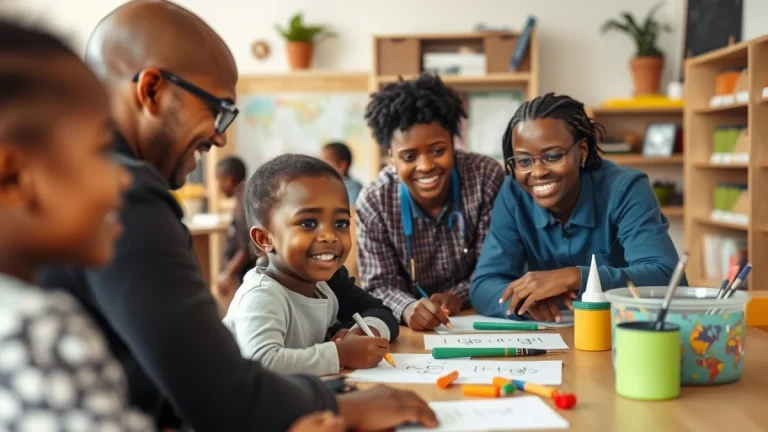
Learning through play is a powerful way young children grow and develop. In South Africa, where many Early Childhood Development (ECD) centres mix children from diverse backgrounds, free early childhood development courses with certificates help educators understand why play is not just fun—it’s essential learning. This is especially true for those looking for a free Early Childhood Development (ECD) course with certificate in South Africa.

Many beginners worry they need complex activities or formal lessons to help a child learn. But in reality, a lot of valuable skills happen naturally in play. Educators often feel pressured to “teach” constantly, forgetting that play is the setting where children build social, emotional, cognitive, and physical skills simultaneously. This disconnect causes many ECD practitioners to miss simple but crucial opportunities every day.
How Learning Through Play Supports Child Development
Play is more than just entertainment. It’s a child’s main way to explore, test ideas, understand feelings, and develop abilities. Here’s how learning through play fits into early childhood development:
- Physical skills: Activities like running, jumping, or building with blocks promote fine and gross motor development.
- Cognitive skills: Problem-solving, memory, and language grow as children engage with puzzles, stories, or pretend scenarios.
- Social skills: Play encourages sharing, teamwork, and conflict resolution among peers.
- Emotional growth: Children express feelings and learn empathy through roleplay and safe social situations.
Free online early childhood development skills courses in South Africa often highlight how these development domains interact in play. Understanding this can help ECD workers structure activities to touch on multiple areas at once without overwhelming either themselves or the children.
What Learning Through Play Looks Like in Practice
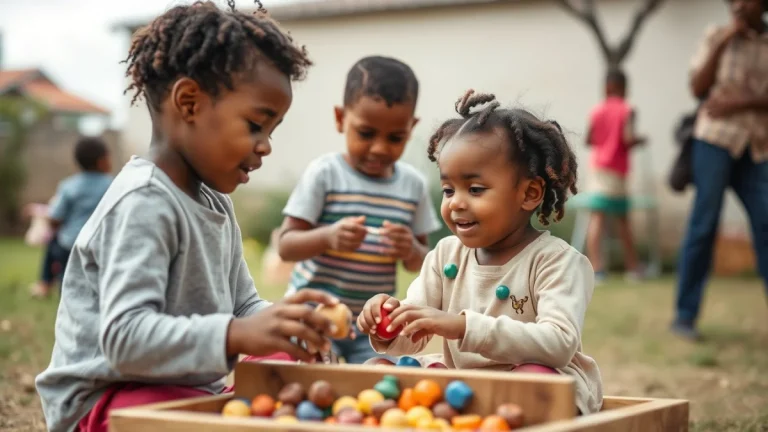
Imagine an ECD centre in a busy township where resources are limited. An educator plans a simple “market day” where children use empty containers, pretend money, and a play stall. Without formal teaching, children count coins, practise language by asking for items, cooperate to share space, and develop confidence as sellers and buyers.
In a workplace early childhood development course South Africa learners quickly see this real-world example: play doesn’t need expensive tools; it thrives on creativity and interaction. The biggest mistake beginners make is thinking learning happens only through worksheets or structured lessons. Play invites children to discover on their own terms.
Why Some Beginners Struggle with Play-Based Learning
One common misunderstanding is that play is unproductive or less serious than formal teaching. New educators sometimes struggle to balance free play with the need to prepare children for school. This causes stress and inconsistent session plans.
Ignoring play or rushing it can mean children miss self-led learning opportunities, making later lessons feel forced. Also, without recognising signs of individual needs during play, some children get overlooked in large groups. South African ECD centres often face this challenge with crowded classrooms and mixed abilities.
Tips for Supporting Learning Through Play in ECD Settings
- Observe first, then guide: Watch what interests children and join in without taking control.
- Offer simple materials: Blocks, old clothes for dress-ups, or natural items spark creativity without expensive toys.
- Mix age groups: Older children can mentor younger ones during play, supporting social development.
- Encourage problem-solving: Pose open questions like, “How can we build a taller tower?”
- Create safe, child-friendly spaces: Ensure physical and emotional safety so children feel free to explore.
Common Questions About Play and ECD
Is play enough to help children learn important skills?
How can I keep order during free play in a busy classroom?
What if a child prefers to play alone?
Does learning through play prepare children for formal school?
Real-World Impact of Learning Through Play in South Africa
South African ECD centres often work with limited budgets and diverse learner needs. Play offers an affordable way to promote development without fancy equipment or tech. However, the challenge lies in understanding how to guide play meaningfully.
Courses like the free early childhood development workplace course South Africa options provide practical tools for educators to balance structure and play. For example, an educator might struggle to plan activities for 30 toddlers at once. Learning through play helps manage this by encouraging children to lead their own learning in groups, reducing constant adult intervention and burnout.
Also, play can be a diagnostic tool. Watching how children interact during play can reveal delays or difficulties that might need extra attention, especially in inclusive classrooms.
Getting Started With Learning Through Play as a Beginner
If you’re new to ECD or learning online, start small. Observe children at play before trying to organise activities. Use everyday items around you to create play scenarios. Remember, the goal is not to control everything but to set up chances for learning through natural interaction.
Being patient is key. It takes time to recognise the developmental signs that emerge during play and to trust that children are learning even when it looks like “just play.”