Person learning artificial intelligence skills on a laptop in a modern workspace

What Is Food Safety and Hygiene and Why Is It Important?

Quick Answer

Food safety and hygiene are essential practices that prevent food contamination and foodborne illnesses. They involve proper handling, preparation, storage, and cleanliness in food environments to protect consumers and workers. Understanding and applying these principles reduces health risks and supports a safer workplace and community, especially in South Africa.

Understanding Food Safety and Hygiene

Food safety and hygiene refer to the measures taken to ensure that food is safe to eat and free from harmful contaminants. This includes preventing contamination by bacteria, viruses, chemicals, or physical hazards that can lead to foodborne illnesses. Food safety and hygiene are crucial from farm to fork, covering everything from sourcing ingredients to how food is prepared and served.

In South Africa, where foodborne illnesses remain a public health concern, proper food safety practices are vital. These practices protect both consumers and those working in food industries by reducing the risk of contamination and ensuring compliance with health regulations.

The Core Principles of Food Safety and Hygiene

Food hygiene encompasses personal hygiene for food handlers, cleanliness of kitchens, and safe food handling standards. Food safety focuses on preventing contamination, ensuring proper cooking temperatures, and storing food correctly to inhibit bacterial growth. Together, they form an integrated system of practices designed to protect public health.

Personal Hygiene for Food Handlers

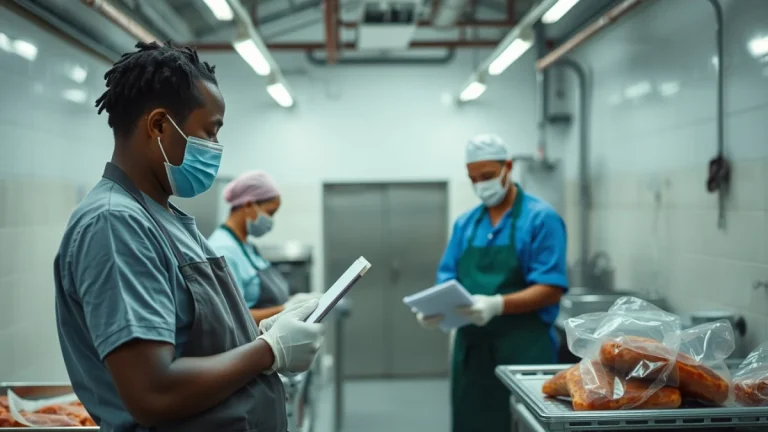
Personal hygiene is the first barrier against food contamination. This includes thorough handwashing before and during food preparation, using protective clothing such as gloves and hairnets, and avoiding work when ill. Cross-contamination can easily occur if personal hygiene rules are ignored, leading to the spread of harmful pathogens.

Food Contamination and Its Prevention

Contamination can be biological (bacteria, viruses), chemical (cleaning agents), or physical (glass shards, metal fragments). Preventing contamination involves washing hands and surfaces regularly, storing chemicals separately from food, and maintaining clean utensils and workspaces.

Ensuring the correct cooking temperatures kills harmful microbes, while proper refrigeration slows or stops their growth. Stock rotation (using older items first) and checking expiry dates are also key to maintaining food safety.

Cleaning and Sanitising

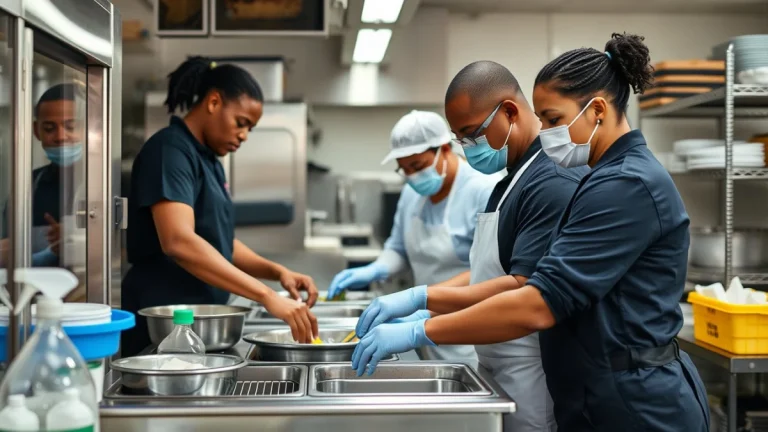
Food areas must be thoroughly cleaned and sanitised to remove dirt and microbes. Food-safe cleaning chemicals should be used carefully, with clear schedules to ensure all work surfaces, equipment, and utensils are regularly maintained. Neglecting these tasks can lead to soiling and bacterial build-up.

Practical Steps to Maintain Food Safety and Hygiene

Here are practical examples and checklists to safeguard food safety in the workplace or home kitchen:

  • Handwashing: Wash hands with soap and water for at least 20 seconds before handling food, after using the toilet, and after touching raw foods.
  • Food Storage: Refrigerate perishable foods below 5°C and keep frozen foods well below freezing. Avoid overpacking to allow cold air circulation.
  • Cooking Temperatures: Cook poultry to a minimum internal temperature of 75°C and minced meat to 70°C to destroy pathogens.
  • Clean Kitchen Surfaces: Use separate boards for raw and cooked foods. Sanitize surfaces after each use.
  • Protective Clothing: Wear aprons, gloves, and hairnets to prevent contamination.
  • Waste Management: Dispose of waste regularly in covered bins to avoid attracting pests.

Common Mistakes to Avoid

Failing to wash hands properly, neglecting cleaning schedules, improper storing of food (e.g., leaving perishables out too long), and cross-contaminating cooked and raw foods are frequent errors. These mistakes increase the risk of foodborne illnesses and workplace hazards.

Implementing a workplace food safety course or food safety awareness training is helpful to strengthen knowledge and prevent these common pitfalls.

Food Safety and Hygiene in the South African Workplace

For businesses in South Africa, workplace food safety is not only about health but also about meeting industry standards and protecting brand reputation. Employees benefit from food safety training that covers legal responsibilities, hazard identification, and incident reporting.

Employers should ensure that all food handlers complete regular food hygiene training and compliance courses. This creates a culture of safety that supports public health and business success.

Continued Learning for Food Safety Excellence

Understanding the importance of food safety and hygiene is the first step. To deepen your knowledge and improve your skills, consider enrolling in an online food safety and hygiene course with certificate. EduCourse offers a Free Food Safety and Hygiene Certificate Course in South Africa that covers all essential topics from personal hygiene to legal regulations. Completing such a course builds confidence and competence in food safety, whether you work in restaurants, catering, or manage small food businesses.

Disclaimer: This blog provides general information on food safety and hygiene. For specific health concerns or food poisoning incidents, always consult a medical professional or health authority.

FAQs

What are the most important personal hygiene practices for food handlers?
Food handlers should wash hands thoroughly with soap and water, wear clean protective clothing, avoid touching face or hair while handling food, and stay home when sick to prevent contamination.
How can I prevent cross-contamination in the kitchen?
Use separate cutting boards and utensils for raw and cooked foods, clean surfaces regularly, store raw foods below cooked foods in the fridge, and wash hands between tasks to prevent transferring harmful bacteria.
What temperature should I cook meat to ensure safety?
Poultry should reach at least 75°C internally, and ground meats like beef should reach 70°C to kill foodborne pathogens effectively.
Why is food safety training important for workplaces?
Food safety training helps employees understand risks, proper procedures, and legal obligations to reduce foodborne illnesses, improve workplace safety, and maintain customer trust.
EduCourse Learning Team

The EduCourse Learning Team creates practical, beginner-friendly online learning content designed to help individuals build real skills at their own pace. With a focus on accessibility and structured learning, the team develops guides and resources across areas such as Microsoft Office, data entry, and workplace skills.

Their goal is to make online learning simple, flexible, and useful for anyone starting their skills development journey.

Articles: 624