Quick Answer
Personal hygiene rules for food handlers are the basic steps everyone working with food needs to follow to stop germs from spreading and causing illness. This means washing hands properly, wearing clean clothes, keeping nails and hair tidy, avoiding touching your face, and staying away from food if you’re sick. These rules matter in all South African kitchens — from restaurants to small food businesses — to keep food safe and customers healthy.
If you’re new to food handling or want to boost your work skills, knowing and practising these hygiene rules is key. South African workplaces expect food handlers to keep good hygiene to avoid contamination and food poisoning. Understanding what to do daily makes your job easier and protects people who eat the food you prepare.
Why Personal Hygiene Matters for Food Handlers
Food handlers come into contact with many surfaces and ingredients, so good hygiene is essential. Poor personal hygiene can easily transfer harmful bacteria and viruses onto food, causing foodborne illnesses. In South Africa, food safety laws require food handlers to follow hygiene rules to protect public health.
By keeping yourself clean and following hygiene routines, you reduce the chances of spreading germs. This protects your customers and your place of work from illness outbreaks, fines, or reputational damage.
How to Wash Your Hands the Right Way
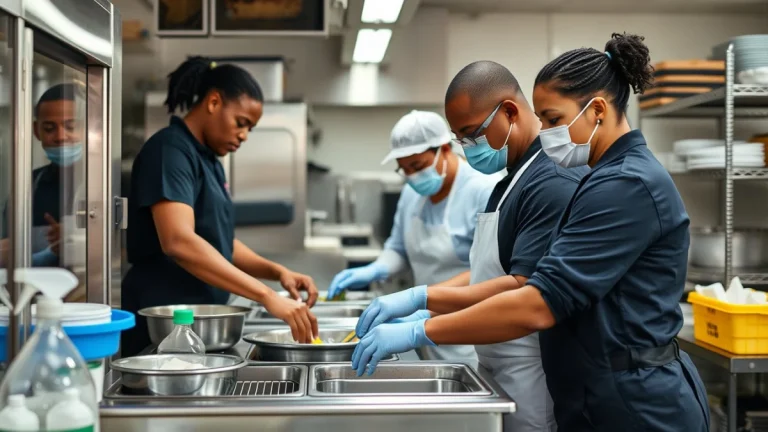
Handwashing is the most important step in food hygiene. Always wash your hands with soap and water for at least 20 seconds before touching food. This includes before you start work, after using the toilet, after sneezing or coughing, and after handling raw food or waste.
- Use warm clean water.
- Use enough soap to cover all parts of your hands, including between fingers and under nails.
- Rinse thoroughly to remove all soap.
- Dry hands with a disposable towel or a clean hand dryer to avoid recontamination.
Remember, just quickly rinsing your hands or skipping washing increases the risk of germs spreading. Use handwashing stations if your workplace provides them for safe hygiene.
Protective Clothing and How It Helps
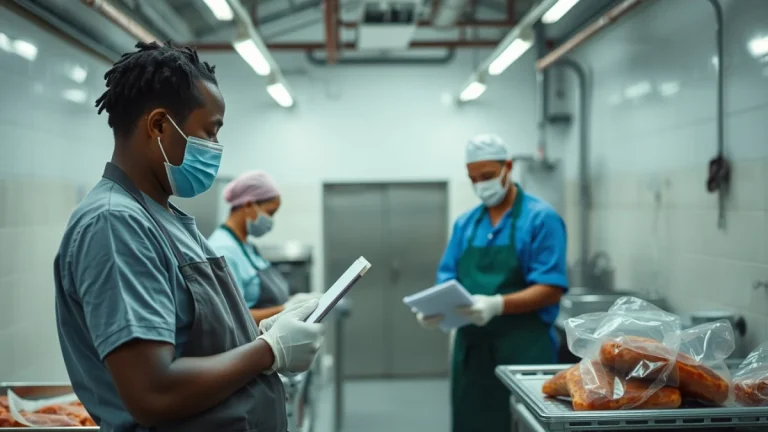
Wearing clean protective clothing reduces the chance of dirt, hair, sweat, and germs getting into food. Hairnets, clean aprons, and uniforms should be worn daily and changed when dirty. Gloves must be used when handling ready-to-eat food but never replace proper handwashing.
Always change gloves between tasks to avoid cross-contamination. Avoid wearing jewellery or long sleeves, which can trap bacteria and fall into food.
Keep Your Nails, Hair and Health in Check
Food handlers should keep nails short and clean, avoid nail polish or artificial nails, and tie hair back securely. Any cuts or wounds must be covered with waterproof dressings to stop germs from getting onto food.
If you feel sick or have symptoms like vomiting, diarrhoea or fever, tell your supervisor and don’t handle food. This is to protect customers and colleagues from catching illnesses.
Practical Steps to Stay Hygienic Every Day
- Wash your hands at key moments – before work, after breaks, after handling raw food, after using the toilet, and after touching your face or hair.
- Keep your fingernails trimmed and clean. Avoid biting nails or touching your face during food prep.
- Wear fresh protective gear every day or change it when it gets dirty.
- Use a daily hygiene checklist covering handwashing, clothing, and health status for you and your team.
- Attend regular training or refreshers on food hygiene to keep skills sharp.
Small habits like these prevent contamination and foodborne illness outbreaks in kitchens big and small.
Common Hygiene Mistakes to Avoid
Many food handlers slip up by not washing hands properly or often enough. Putting reminders by sinks and continuous training helps fix this. Wearing jewellery or long sleeves can hide germs and should be avoided during food prep.
Using gloves incorrectly is also common – gloves must be clean, put on only after washing hands, and changed regularly. Working while sick is risky, so build a workplace culture where staff can report symptoms safely.
Keep Learning and Improving Your Food Safety Skills
Personal hygiene is one part of good food safety practice. To get a full understanding, consider the Free Food Safety and Hygiene Certificate Course. It covers all the basics and more, from avoiding contamination to safe storage, helping you work confidently and safely in any food role.