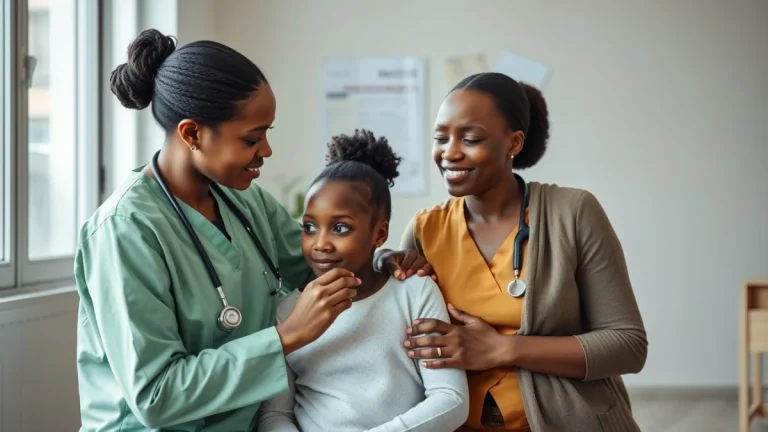
Quick Answer
A home-based caregiver helps people live safely and comfortably at home by assisting with daily needs like bathing, medication, meals, and emotional support. They perform personal care and health monitoring while respecting the patient’s privacy and well-being.
If you’re new to caregiving and want to help others at home, knowing these tasks can give you confidence and direction. Many South Africans start in this role to support their families or community, and proper training helps you do it right.
What Does Home-Based Caregiving Involve?
A home-based caregiver’s job is to support people — often the elderly, disabled, or chronically ill— in their own homes. This includes helping with basic personal care like bathing, dressing, and grooming. These activities are called Activities of Daily Living (ADLs) and are important to maintain dignity and independence.
Besides personal care, caregivers monitor health signs such as pulse and blood pressure, remind or assist with medication, and help prepare meals that fit medical diets. The caregiver also provides much-needed companionship and emotional support, which can improve a patient’s overall well-being.
Common Tasks and Practical Care Skills
Here are everyday duties a caregiver might do:
- Helping with hygiene: bathing, oral care, toileting assistance.
- Medication management: keeping track of doses and timing.
- Meal preparation: making food suitable for medical needs like diabetes or low salt.
- Health monitoring: checking vital signs and noting changes.
- Ensuring safety: removing hazards, preventing falls, and keeping the home clean.
- Supporting emotional health: listening and encouraging social activities.
Many caregivers keep a daily checklist to make sure no tasks are missed. Simple practices like good hand hygiene and clear record-keeping help prevent mistakes that could harm the patient.
Starting as a Home-Based Caregiver: What You Need to Know
For beginners, learning caregiving basics is essential. This includes how to assist with personal care safely and how to handle medicines properly. Communication is also key—building trust with the person cared for makes the job easier and more effective.
Understanding your legal and ethical duties, such as respecting privacy and confidentiality, is vital. You should also know how to spot emergencies and respond quickly. Training courses can teach all these skills step-by-step, making it easier for newcomers to gain confidence.
Challenges Caregivers Face and How to Manage Them
Caregiving is rewarding but can be tough. Emotional burnout is common, especially when dealing with patients who have conditions like dementia. Managing stress through support groups or counselling helps keep caregivers healthy.
Balancing caregiving with your personal life is another challenge. Clear communication with family members and healthcare professionals can reduce misunderstandings and workload. Learning about specific illnesses like Alzheimer’s also improves how you care for your patient.
If you’re ready to start, a free Home-Based Caregiver Certificate Course in South Africa offers practical lessons, quizzes, and certification, perfect for beginners wanting a solid foundation in caregiving skills.