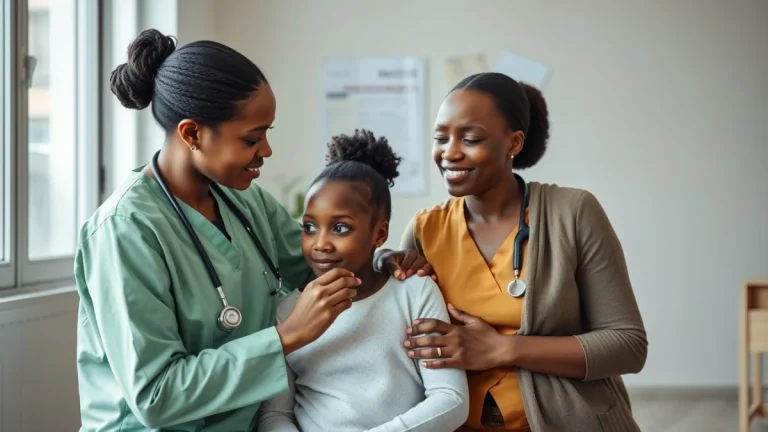
How to Care for Elderly Patients at Home

Quick Answer

Caring for elderly patients at home involves providing personal care, monitoring health, ensuring safety, supporting nutrition, and maintaining clear communication. A free caregiver certificate course in South Africa can equip you with essential caregiving skills and knowledge to provide effective home-based elderly care safely and confidently.

How to Care for Elderly Patients at Home

Caring for elderly patients at home means adapting to their specific physical, emotional, and medical needs while creating a safe and nurturing environment. Whether you are a family member or considering a career in caregiving, learning caregiving skills tailored to elderly care will ensure your care recipient remains as comfortable and independent as possible. This practical guide will help you understand how to provide quality home care step by step.

Home-based care for the elderly requires a range of skills, from assisting with daily activities to managing medications and recognising health changes. When you enrol in a free caregiver course online with certificate options, you gain knowledge about personal care, safety, nutrition, communication, and more – all focused on supporting elderly patients.

Personal Care Skills for Elderly Patients

Helping elderly patients with activities of daily living (ADLs) is a key part of caregiving. This includes bathing, dressing, grooming, toileting, and assisting with mobility. Elderly patients often need gentle care that promotes dignity and independence, so knowing how to adapt your approach is crucial.

Proper hygiene helps prevent infections, while assistance with toileting and incontinence care maintains comfort and skin health. Use techniques learned in caregiver training for beginners, such as safe lifting and repositioning, to avoid injury to both you and the patient.

Monitoring Health and Managing Medication

Observing vital signs like temperature, pulse, and breathing is essential, especially for seniors with chronic conditions. A home care training program will teach you basic medical knowledge to recognise signs of health deterioration early and respond appropriately.

Medication management is another vital responsibility. Set reminders, organise pills, and ensure the patient takes medicines as prescribed. This reduces risks and helps maintain stable health. Promptly report any side effects or missed doses to family or healthcare professionals.

Ensuring Safety and Infection Control at Home

Home safety assessments should identify potential hazards such as slippery floors, obstacles, or poor lighting. Make adjustments, like installing grab rails or removing clutter, to reduce fall risks. Emergency response knowledge, including basic first aid, equips you to act confidently in crisis situations.

Infection control includes regular handwashing and cleaning of surfaces. This is particularly important for elderly care to avoid common infections. Proper use of gloves, masks, and sanitiser prevents spreading germs within the home.

Nutrition and Meal Planning

Nutrition impacts an elderly person’s energy and recovery. Understand their dietary needs, which may include low-sodium, diabetic-friendly, or soft-food diets, and prepare meals accordingly. Encourage hydration and balanced nutrition, monitoring food intake and weight changes.

Meal planning should respect preferences while meeting nutritional needs. A caregiver basics course often includes guidance on special diets and healthy eating for seniors to maintain their wellbeing.

Effective Communication and Relationship Building

Good communication creates trust between caregiver and elderly patient. Use simple language, listen attentively, and show empathy. Building rapport helps reduce anxiety and improves cooperation during care tasks.

Being culturally sensitive ensures respect for the patient’s background and beliefs. Establishing clear communication with family members keeps everyone informed and involved in care decisions.

Common Mistakes to Avoid When Caring for Elderly Patients

Avoid rushing personal care routines, as hurried care can increase discomfort or accidents. Do not ignore signs of declining health. Regular health monitoring is key to early intervention. Also, do not neglect your own wellbeing as a caregiver — managing stress and seeking support prevents burnout.

Checklists can help keep track of daily tasks, medication schedules, and safety inspections. For example, a simple daily checklist might include:

  • Assist with hygiene and toileting
  • Monitor vital signs
  • Ensure medication is taken
  • Prepare meals and encourage fluid intake
  • Perform a quick home safety check
  • Document changes in the patient’s condition

Steps to Start Caring for Elderly Patients at Home

1. Assess the patient’s needs and abilities.

2. Set up a safe and comfortable living space.

3. Learn basic personal care and medical monitoring skills.

4. Establish a daily routine supporting hygiene, nutrition, and mobility.

5. Communicate regularly with the patient and family.

6. Keep records of care and health changes.

7. Take care of your own physical and mental health as a caregiver.

Continue Learning with an Online Caregiver Certificate Course

Understanding how to care for elderly patients at home is a valuable skill for families and job seekers alike. To deepen your knowledge, consider enrolling in a free caregiver certificate course in South Africa. This home-based care course covers essential topics like first aid, dementia care, palliative support, and caregiver self-care. Learning caregiving skills online frees you to study at your own pace and prepare for roles in healthcare support.

Find out more about the comprehensive Home-Based Caregiver Certificate Course offered by EduCourse, designed specifically for beginner caregivers looking to build workplace skills and confidence. This online caregiver training offers quizzes, practical lessons, and a certificate to help you start or grow your caregiving journey.

Ready to learn caregiving step by step? Explore the Home-Based Caregiver Certificate Course at EduCourse and gain the training you need to provide compassionate and safe home care for elderly patients.

Frequently Asked Questions

What is the best way to assist elderly patients with daily activities?
Assist with patience and respect, encourage independence where possible, and use proper techniques for lifting or moving to prevent injury. Personal care skills, including bathing, grooming, and toileting, should be done gently to maintain dignity.
How can I monitor the health of an elderly person at home?
Regularly check vital signs like blood pressure, temperature, pulse, and breathing rate. Observe for signs of distress or changes in behaviour. Keep a health diary and promptly communicate concerns to healthcare providers.
What safety measures should be taken for home-based elderly care?
Remove tripping hazards, install grab rails, ensure good lighting, and have emergency contacts easily accessible. Learn basic first aid and keep emergency supplies ready. Practice infection control through hygiene and sanitising procedures.
Can I learn caregiving skills online for free in South Africa?
Yes, several platforms including EduCourse offer free caregiver training and certificate courses online. These courses cover practical caregiving lessons, health monitoring, communication, and safety tailored for home-based care scenarios.
EduCourse Learning Team

The EduCourse Learning Team creates practical, beginner-friendly online learning content designed to help individuals build real skills at their own pace. With a focus on accessibility and structured learning, the team develops guides and resources across areas such as Microsoft Office, data entry, and workplace skills.

Their goal is to make online learning simple, flexible, and useful for anyone starting their skills development journey.

Articles: 430

EduCourse Help

Find quick answers to common questions.

How to Register

To register on EduCourse:

  1. Go to the registration page:

    Register on EduCourse
  2. Enter your details (name, email, and password)
  3. Click Register / Sign Up
  4. Log in to your account

You can then enrol in any course and start learning immediately.

Was this helpful?
Thank you for your feedback.

How to Start a Course?

To start a course on EduCourse, you must first be logged in to your account.

  1. Go to the Browse Courses page:

    Browse EduCourse Courses
  2. Choose the course you want to study
  3. On the course page, click Take This Course
  4. After enrolling, start with Lesson 1

Some courses are open, so you may not see the Take This Course button. If that happens, simply start with Lesson 1.

Please make sure you are logged in so your course progress can be saved.

Was this helpful?
Thank you for your feedback.

Downloading Certificates

You must be logged in and finished a course. To download a certificate on EduCourse, you have two easy options.

  1. You can download it from the completed course page itself.
  2. You can also access your certificates by going to the menu, choosing Academic Records, and then selecting

    My Certificates
    .

To access your certificate, click the certificate icon.

On the certificate page, you can click the certificate preview to download it or scroll down and click Download PDF.

Was this helpful?
Thank you for your feedback.

How to Update Certificate Name?

To update your name on EduCourse, you must first be logged in to your account.

  1. Go to My Details from the menu.
  2. Edit your name in the profile section.
  3. Click Update to save your changes.

After updating your name, you can re-download your certificate with the corrected details.

Was this helpful?
Thank you for your feedback.

How to Verify a Certificate?

There are multiple ways to verify an EduCourse certificate.

1. Scan the QR Code

The easiest way to verify a certificate is to scan the QR code displayed on the certificate using your mobile device.


2. Verify Online

You can also verify a certificate online by visiting:


Verify Certificate

Enter either:

  • The user's South African I.D Number
  • Or the Certificate ID Number

The system will display matching certificate records if available.

Was this helpful?
Thank you for your feedback.