Quick Answer
South Africa’s food safety rules cover how to handle, store, and prepare food to keep it safe and prevent illness. These rules are set by national laws and enforced locally to protect everyone from contamination in places like restaurants, shops, and catering. Anyone working with food should know these basics to avoid risks and keep customers safe.
If you’re new to food work, you might worry about what rules apply or how to keep food safe day-to-day. Knowing what’s expected helps you work smart and avoid mistakes that can cause food poisoning or legal trouble. This guide focuses on practical food safety and hygiene basics you’ll use every day in a South African workplace.
What Are South Africa’s Main Food Safety Laws?
The main law for food safety is the Foodstuffs, Cosmetics and Disinfectants Act (No. 54 of 1972). It sets out broad rules for food safety to stop harmful contamination. Alongside this, local governments enforce more detailed rules on things like cleanliness, pest control, and food storage in shops and kitchens.
The Department of Health and the National Regulator for Compulsory Specifications (NRCS) help with oversight and give advice on following these rules. If you run or work in a place that prepares or sells food, these laws apply to you.
Common Food Safety Practices You Need to Follow
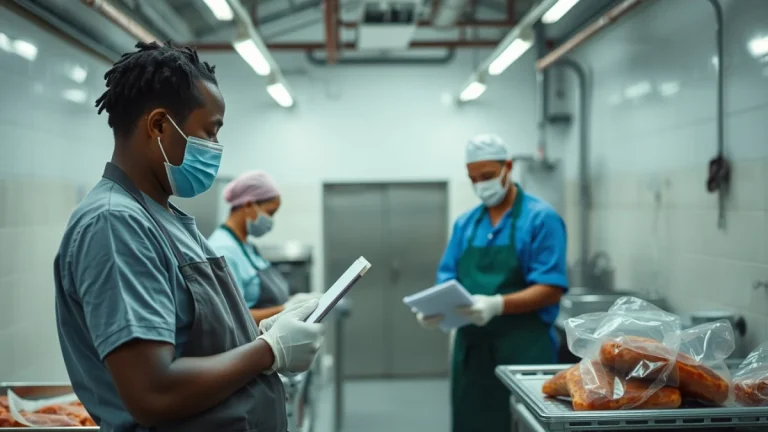
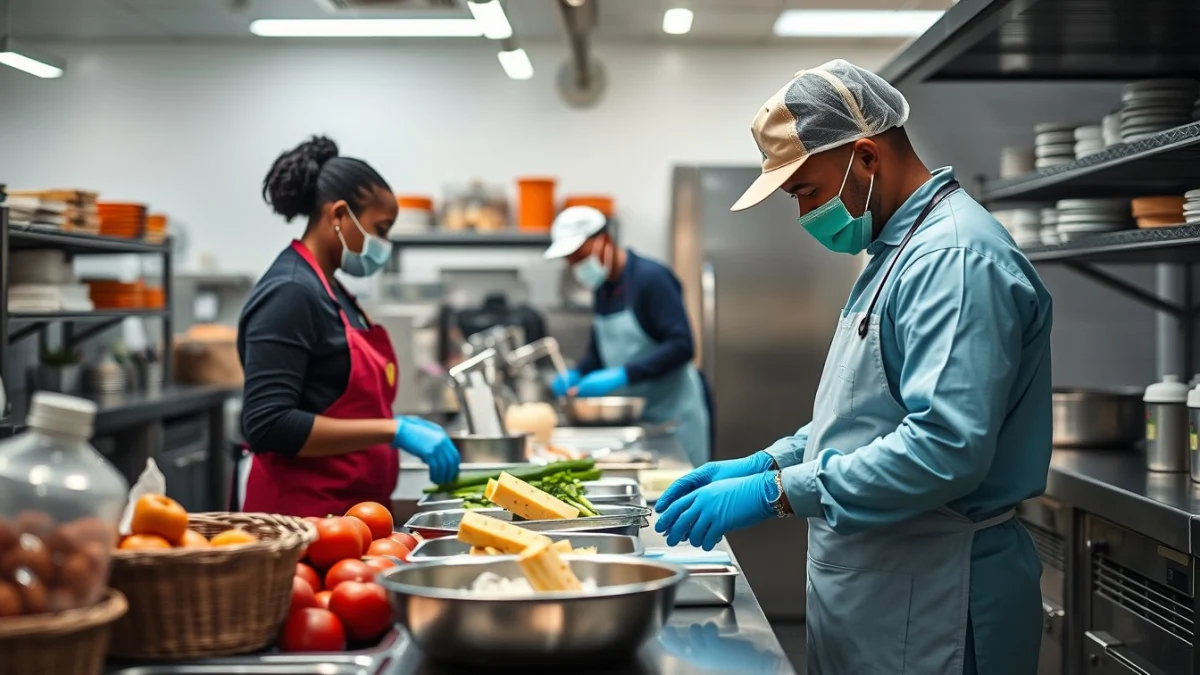
Personal hygiene is a top priority. Food handlers must wash hands often with soap and water — at least 20 seconds before handling food — and wear clean protective clothing to prevent germs spreading. It’s a legal expectation and a simple way to stay compliant.
Food storage means keeping food at safe temperatures. Refrigerators should stay below 5°C, and freezers at -18°C. Use first-in, first-out (FIFO) to rotate stock so food doesn’t go bad. This prevents bacteria growth and reduces waste.
Cleaning and sanitising all areas, equipment, and utensils regularly is important. Use safe cleaning chemicals and have a cleaning schedule that your team follows every day. Keeping surfaces clean stops germs from contaminating food.
Pest control helps prevent contamination from rodents or insects. Proper waste disposal and regular inspections are needed to keep pests away where food is handled or stored.
Practical Steps to Stay Compliant and Safe
To follow the rules without stress, create a simple checklist for your team:
- Make sure all food handlers complete basic food safety training or certificate courses that explain the rules.
- Set up handwashing stations with soap and signs that remind staff about hygiene.
- Check and record fridge and freezer temperatures daily.
- Follow a daily cleaning routine, and keep logs to show cleaning was done.
- Manage waste carefully and have a pest control plan in place.
- Teach staff how to spot food safety issues early and report them immediately.
Many food safety problems happen because of skipping handwashing, not checking temperatures, or missing cleaning tasks. Staying on top of these basics is your best defence.
Why Getting a Food Safety Certificate Helps
Completing a food safety and hygiene certificate course is an easy way to learn these rules and prove you know how to keep food safe. EduCourse offers a free, online Food Safety and Hygiene Certificate Course that covers all practical steps for South African food workers. It helps build confidence whether you’re new or want to refresh your skills.
Taking a course like this also shows employers or inspectors you take food safety seriously. It’s a practical starting point for anyone handling food to reduce risks and protect customers.
Start the free Food Safety and Hygiene Certificate Course now for clear, simple training you can complete online.