What Stock Clerk Duties and Responsibilities Really Mean
A Free Stock Clerk Course with Certificate in South Africa teaches you the ins and outs of managing goods in warehouses, shops, or storerooms. But what does this role look like day-to-day? Stock clerks make sure stock arrives, is stored properly, and is issued correctly, keeping inventory accurate and workplaces safe.
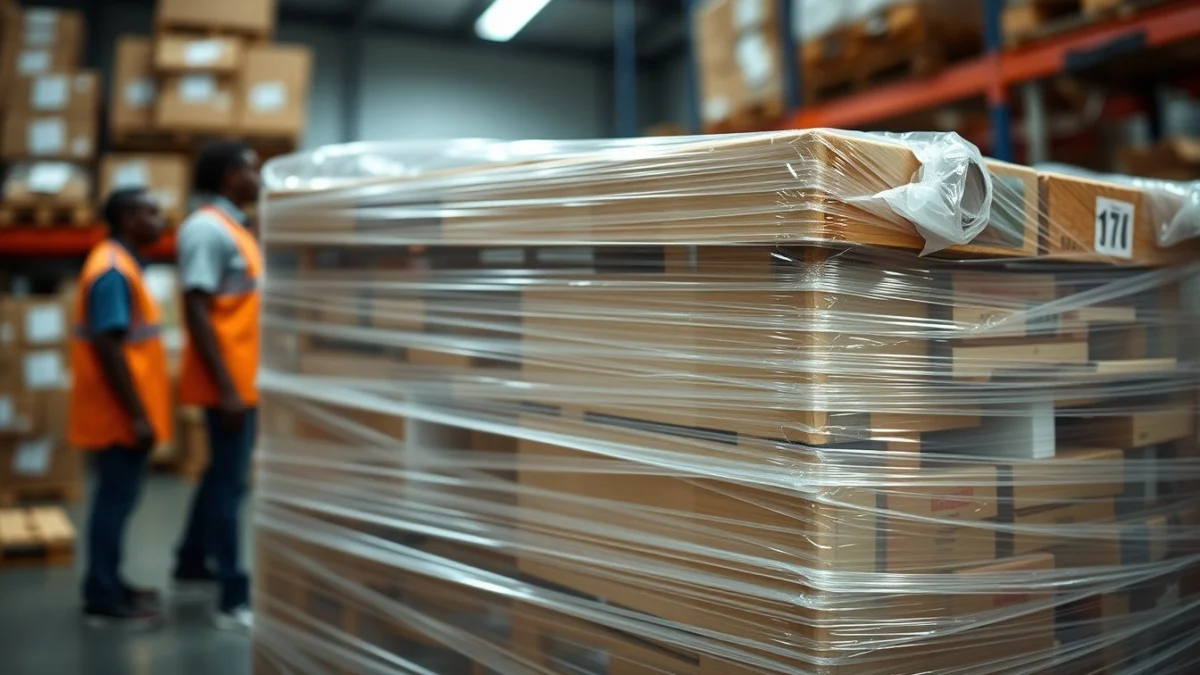
For beginners, the tricky part is understanding that being a stock clerk means juggling many details under pressure. When a delivery arrives late or a stock count is off, it causes delays downstream—sales slow, customers complain, and reports get confusing. Knowing your duties well helps avoid these issues.
Breaking Down Stock Clerk Duties
1. Receiving and Inspecting Incoming Stock
Stock clerks check deliveries against orders, confirm quantities, and look for damaged goods. This part is crucial. Many beginners undervalue the importance of thorough inspecting and recording. Missing a damaged item can cause financial loss and hurt customer trust.
2. Recording and Documenting Stock Details
After inspection, clerks enter data into stock control systems or record it manually. Accurate records prevent confusion later when dispatching stock or doing audits. A common mistake is rushing this step, leading to errors in inventory lists.
3. Storing Goods Properly
Different stock types demand different storage methods—some need cool, dry places while others must be stacked carefully to avoid damage. Proper organisation makes retrieval faster, reducing wasted time during busy workdays.
4. Organising and Labelling Stock
Using labels and shelf systems like FIFO (first in, first out) ensures stock gets used in the right order. Beginners sometimes skip regular rechecking of labels, but when items get mixed up, stock counts and orders become a mess.
5. Issuing and Dispatching Stock
Stock clerks prepare items for delivery or internal use. This includes picking correct quantities, packing securely, and updating records. Missing or incorrect stock here can disrupt production or sales.
6. Conducting Stock Counts and Audits
Regular stock counts check real stock against records. This helps spot theft, damage, or misplacement early. Counting isn’t just ticking boxes—it requires focus and methodical checking. Skipping counts causes long-term inventory errors.
7. Using Technology for Stock Control
Simple tools like barcode scanners and inventory software improve speed and accuracy. Newcomers often hesitate to learn these when they first start. Embracing these tools reduces mistakes and eases daily tasks.
8. Safety and Proper Handling
Stock clerks move goods physically, so knowing safe lifting and handling protects health. Warehouses also have hazards like slippery floors or heavy machinery. Following safety rules keeps everyone protected.
9. Communicating with Team and Clients
Clear communication explains stock issues, requests, and updates. Miscommunication often causes order delays or stock mix-ups. Good stock clerks practice asking questions and confirming instructions.
10. Planning Career Growth
Many stock clerks start entry-level and move to roles like warehouse supervisor or logistics coordinator by gaining skills and certificates. Knowing your duties well is the first step to advancing.
A Real Workplace Scenario
Imagine a busy retail warehouse. A delivery arrives late, and the stock clerk must quickly check boxes against the order sheet. One box is damaged, but the clerk misses it under pressure. Later, a customer complains about the faulty goods which weren’t recorded. This mistake leads to returns and stock reconciliation headaches.
This shows why accuracy during receiving is critical. Taking a little extra time upfront saves hours of trouble later. The Free Stock Clerk Course with Certificate in South Africa trains you on these exact real-world challenges, helping you develop skills to avoid such slip-ups.
Common Misunderstandings and Beginner Mistakes
- Stock clerks just move boxes. In reality, they are responsible for detailed tracking and accurate data management.
- Technology isn’t important. Many think manual methods are enough, but digital tools ensure better accuracy and efficiency.
- Safety is optional in stock areas. Ignoring safety leads to injuries and operational delays.
- Stock counts can be skipped if records look okay. Skipping counts lets mistakes build up, causing costly stock shortages or surpluses.
Advice for New Stock Clerks
- Learn to double-check deliveries carefully, especially for damage or wrong quantities.
- Keep accurate, clear records from day one. Always cross-check entries if possible.
- Practice good organisation and labelling; it saves time and reduces mistakes.
- Don’t avoid technology—get comfortable with scanners and software early.
- Follow safety protocols strictly, and learn correct lifting techniques.
- Ask questions when unsure about stock requests or procedures.
- Use your certificate as a stepping stone to other roles in logistics or supply chain.