Customs Clearance Process Explained
When goods enter or leave South Africa, they need to go through customs clearance. This legal and administrative process ensures imports and exports meet the rules set by the South African Revenue Service (SARS) and other authorities. If you’re looking for a free customs clearance assistant course with certificate in South Africa, understanding this process is essential to getting started.
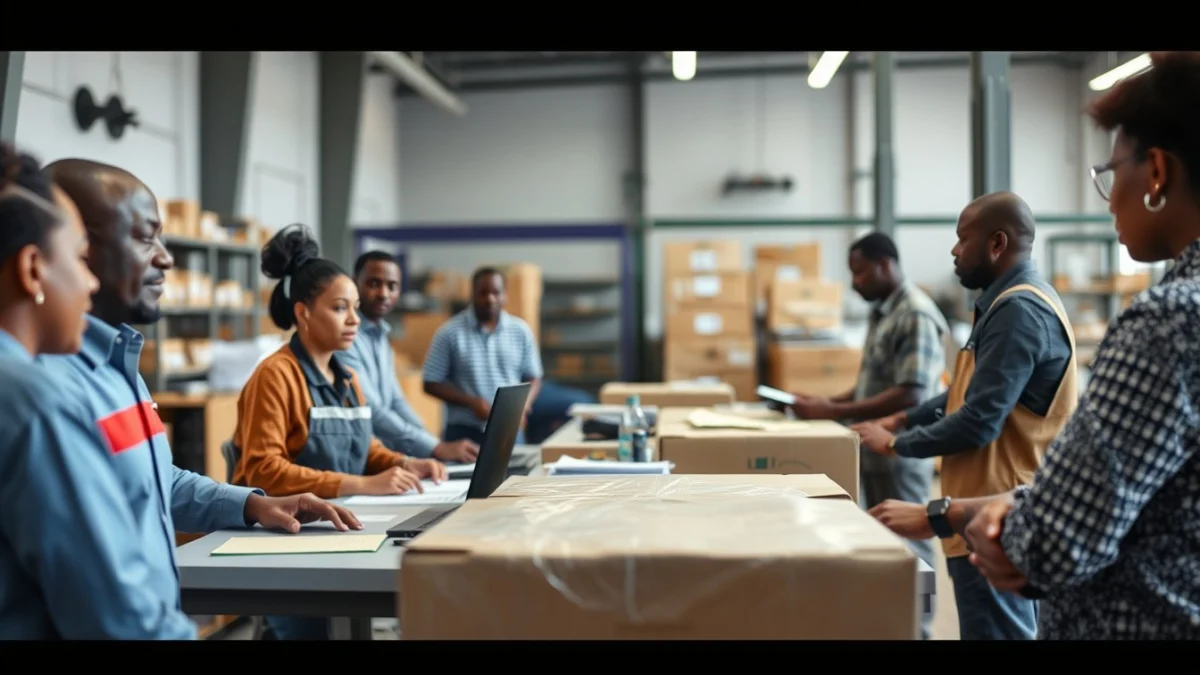
For beginners, one confusing part is the sheer volume of paperwork and strict timelines involved at customs. A small mistake in a customs declaration can delay shipments or lead to penalties. In South African workplaces, this pressure to get it right fast is very real—assistants often juggle multiple shipments daily, each with different documentation and tariff codes. Learning the right way to handle these tasks prepares you to work calmly and accurately under time pressure.
What to Know First About Customs Clearance
At its simplest, customs clearance is the official procedure for checking and approving goods entering or leaving the country. It involves:
- Submitting correct paperwork like customs declarations and shipping manifests
- Paying applicable duties, tariffs, and taxes
- Following compliance rules to avoid penalties
- Coordinating with customs officers, freight forwarders, and clients
A customs clearance assistant supports the import/export process by handling these steps under supervision. The job is hands-on, detail-focused, and involves frequent digital data entry using clearance software.
Breaking Down the Customs Clearance Process
1. Understanding the Role of a Customs Clearance Assistant
This role is not about the big decisions but about precise execution. Real work includes:
- Checking shipping documents for accuracy
- Preparing customs declarations and ensuring correct commodity codes
- Tracking the payment of tariffs and taxes
- Updating clearance software and digital records
- Communicating with customs officials and freight companies to resolve issues
A common beginner mistake is overlooking differences between import and export documents, which can cause costly clearance delays. Learning the typical documents—bill of entry, commercial invoice, bill of lading—is vital.
2. Key Documents in South African Customs Clearance
Some documents you’ll work with regularly include:
- Customs Declaration Forms – Detail sender, receiver, goods description, and tariff codes.
- Shipping Manifests – Lists contents of the shipment for inspection.
- Commercial Invoices – Proof of value and quantity.
- Permits and Licenses – Required for restricted goods.
Missing or incomplete documents cause customs to hold shipments. In practice, the assistant must double-check documents against actual goods promptly to prevent clearance delays.
3. Import and Export Procedures in South Africa
In imports, shipments must clear customs before entering South Africa. This includes submitting import declarations, paying applicable duties, and sometimes passing inspections.
Exports require export declarations, ensuring goods leaving the country comply with regulations. A delay in export clearance can result in missed shipping deadlines, adding stress to logistics teams.
4. Calculating Customs Tariffs and Duties
Part of the role involves understanding basic tariffs, taxes, and fees. Each product has an assigned tariff code affecting how much duty is payable.
Assistants use tariffs schedules and software tools to estimate costs early, which helps avoid surprises when goods clear customs.
5. Customs Compliance and Risk Management
The South African Customs Act sets strict rules. Incorrect or missing information can lead to fines or seizure of goods.
Customs clearance assistants learn to spot high-risk shipments and prepare all documents carefully. Random or targeted inspections are common, so staying organised helps reduce time stuck at customs.
6. Using Customs Clearance Software
Most modern customs clearance work depends on software platforms for submissions and tracking. Accurate data entry and familiarity with digital tools speed up clearance and reduce errors.
A frequent beginner error is poor data input, like mixing up item codes, which can delay approvals or cause mismatches with physical goods.
Customs Clearance in a Typical Workplace Scenario
Imagine you are working in a busy freight forwarding office in Johannesburg. Early in the day, five containers arrive, each with different contents: textiles, electronics, food products, and chemicals. Your task is to prepare customs declarations.
You check each shipment’s documentation, verify tariff codes using your reference materials and software, and submit declarations through SARS’s electronic system. One shipment of electronics has missing paperwork, which you identify early and alert the supplier. This quick action avoids delays by stopping the cargo from being held at the port.
Later, a customs inspection happens, and you provide the required paperwork and assist in answering questions. Your attention to detail ensures the inspection goes smoothly, and goods release on time.
Common Misunderstandings and Beginner Pitfalls
Misconception: Customs Clearance Is Just Filling Out Forms
It’s easy for beginners to think paperwork is simple data entry. Actually, customs forms require precise knowledge of goods classification, tariffs, and legal rules. Incorrect forms mean delays and possible financial penalties.
Hidden Mistake: Overlooking Import vs Export Differences
New learners often treat import and export documents as interchangeable, but they have distinct requirements. Confusing these can cause shipments to get stuck.
Real Consequence: Clearance Delays Cost Money
Many underestimate how shipment delays at customs impact businesses. Even a small delay can escalate storage fees, loss of customer trust, or missed contracts.
Skipped Detail: Importance of Communication
Successful clearance depends heavily on communicating with customs officials, shipping lines, and clients. Clear and timely communication prevents misunderstandings and speeds up problem-solving.
Practical Advice for Beginners Starting Customs Clearance
- Get familiar with common customs documents early and practice reading them.
- Learn basic tariff classifications relevant to South Africa.
- Use checklists to avoid skipping key paperwork details.
- Develop good digital skills for using customs clearance software.
- Ask questions in your workplace; practical experience clarifies rules quickly.
- Keep up to date with changes in South African customs regulations.