Quick Answer
Safe food storage means keeping food at the right temperatures, using clean containers, separating raw and cooked items, and rotating stock to avoid spoilage. These steps help prevent food poisoning and keep food fresh whether you’re storing food at home or in a workplace like a restaurant or catering service.
Many beginners worry about how to handle food storage correctly, especially in South Africa where food safety laws set important health standards. Following practical storage tips not only protects your family or customers but also helps you meet local food hygiene expectations with ease.
Why Safe Food Storage Matters at Home and Work
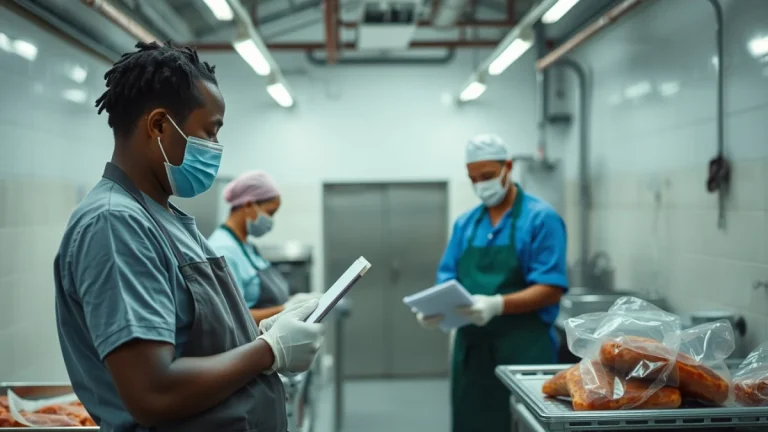
Food stored incorrectly can quickly become unsafe to eat. Bacteria grow fast in food kept in the wrong conditions, causing foodborne illnesses. At home, you want to protect your family’s health. In work environments like kitchens and catering businesses, improper storage risks serious health problems and legal trouble.
South African food safety rules guide how food businesses should handle storage, but even home cooks benefit from following the same advice. Clean storage areas, correct temperatures, and good organisation reduce contamination risks and keep food fresh longer.
Main Principles of Safe Food Storage
Good food storage is based on a few simple principles: control temperature, use good packaging, separate unsafe foods, and manage stock smartly.
- Temperature: Keep cold foods at or below 5°C (the fridge) and frozen foods at -18°C. Hot food should be held at 60°C or higher if not eaten immediately. Between 5°C and 60°C, bacteria multiply quickly, increasing food poisoning risks.
- Packaging: Use clean, airtight containers to block dust, pests, and germs. Separate raw meats from ready-to-eat items to avoid cross-contamination.
- Separation: Store raw meat and fish on the bottom shelves to stop juices dripping onto other food.
Keep fruits and vegetables away from raw foods to prevent chemical or bacterial transfer. - Stock management: Use the First-In-First-Out (FIFO) method. This means using older stock before newer deliveries to avoid expiry and waste. Label foods with storage dates wherever possible.
Step-by-Step Guide to Storing Food Safely
Start with a clean and organised kitchen or food storage area. This lowers the chance of pests and bacteria spreading.
- Refrigeration: Measure your fridge temperature regularly with a thermometer. Maintain it at 5°C or below. Don’t overcrowd the fridge so air can circulate freely.
- Freezing: Keep your freezer at or below -18°C. Wrap or seal foods tightly to prevent freezer burn and contamination.
- Hot foods: Let hot meals cool for up to 2 hours before refrigerating to avoid warming other food inside.
- Containers and wraps: Use food-grade plastic or glass containers, covering foods securely.
Avoid using materials that can contaminate food, like newspapers or non-food-safe plastics. - Regular checks: Clear out expired or spoiled items weekly. Clean shelves and containers regularly with soap and disinfectant.
- Waste and hygiene: Dispose of food waste quickly and sanitize bins to reduce pests and smells.
Common Mistakes to Avoid When Storing Food
Many kitchen problems come from simple mistakes:
- Keeping food past its expiry or best-before date can cause illness.
- Putting hot food straight into the fridge raises fridge temperature and spoils other items.
- Storing raw and cooked foods on the same shelf without barriers allows germs to spread.
- Not checking your fridge’s temperature means spoilage or bacterial growth can go unnoticed.
- Neglecting to clean storage containers and shelves creates an environment for pests and bacteria.
Fixing these habits improves safety and food quality for both home cooks and food handlers at work.
Boost Your Food Safety Skills with Training
Safe food storage is just one part of good food handling. If you want to learn more about handling, preparing, and storing food safely, the free Food Safety and Hygiene Certificate Course in South Africa is a great place to start. This online course covers practical tips and rules for keeping food safe at home or in the workplace. You can build your confidence and skills while meeting South African food safety standards.
Find out more and enrol here: Free Food Safety and Hygiene Certificate Course