Quick Answer
Preventing cross-contamination means keeping raw and cooked foods apart, washing hands regularly, and cleaning surfaces and utensils properly. By following simple, clear hygiene steps, you can reduce the risk of food poisoning and keep your kitchen safe.
For those new to food handling or working in South African kitchens, knowing how to avoid cross-contamination protects customers, families, and your workplace. These easy-to-follow tips help you get it right every time without stress.
What Is Cross-Contamination and Why It Matters
Cross-contamination happens when harmful bacteria or allergens spread from one food, utensil, surface, or person to another. For example, bacteria from raw chicken can transfer to salad vegetables if you use the same cutting board without cleaning it first. This mix-up can cause food poisoning.
This risk is especially common in busy kitchens and food businesses but can happen anywhere food is prepared. Understanding how to stop cross-contamination is one of the most important food safety skills, especially for beginners working in restaurants, catering, or home kitchens.
Basic Steps to Prevent Cross-Contamination
Start with good personal hygiene. Always wash your hands thoroughly with soap and warm water before touching any food, after handling raw meat or eggs, and after using the toilet. Dry your hands on a clean towel or disposable paper towel.
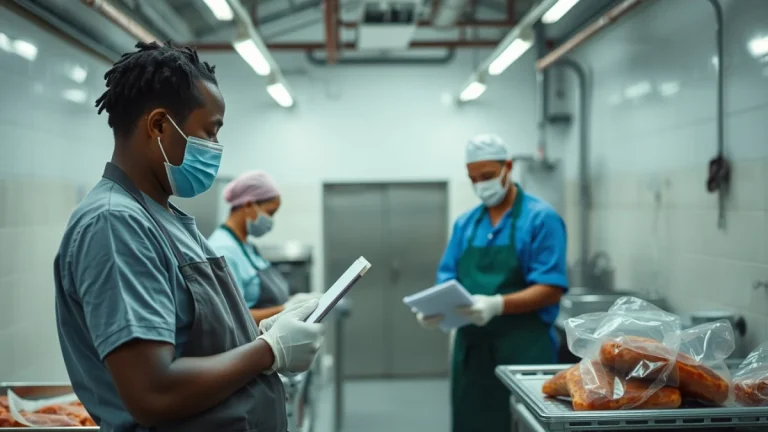
Keep raw and cooked foods separate at all times. Use different cutting boards, knives, and utensils for raw meat, fish, and ready-to-eat foods like salads or bread. Colour-coded boards are a helpful reminder—red for raw meat, green for vegetables, for example.
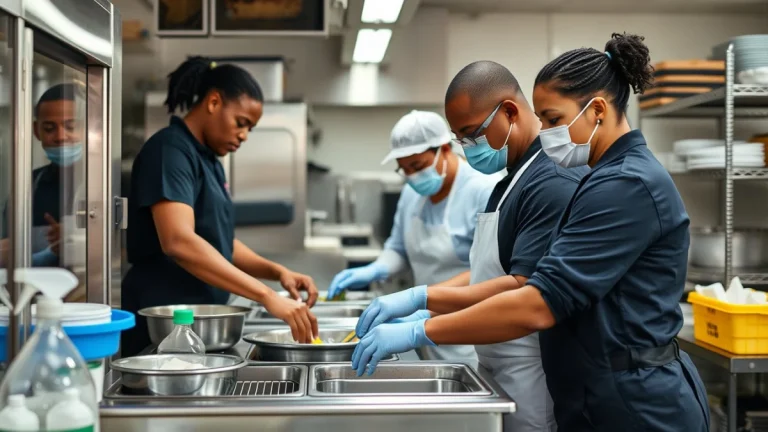
Clean and sanitise your kitchen surfaces regularly to kill bacteria. Wash knives, boards, and equipment in hot soapy water after use, then apply a food-safe sanitizer if possible. Avoid using the same cloth or sponge for different tasks without cleaning or replacing it often.
Practical Tips for Safe Food Handling in South African Kitchens
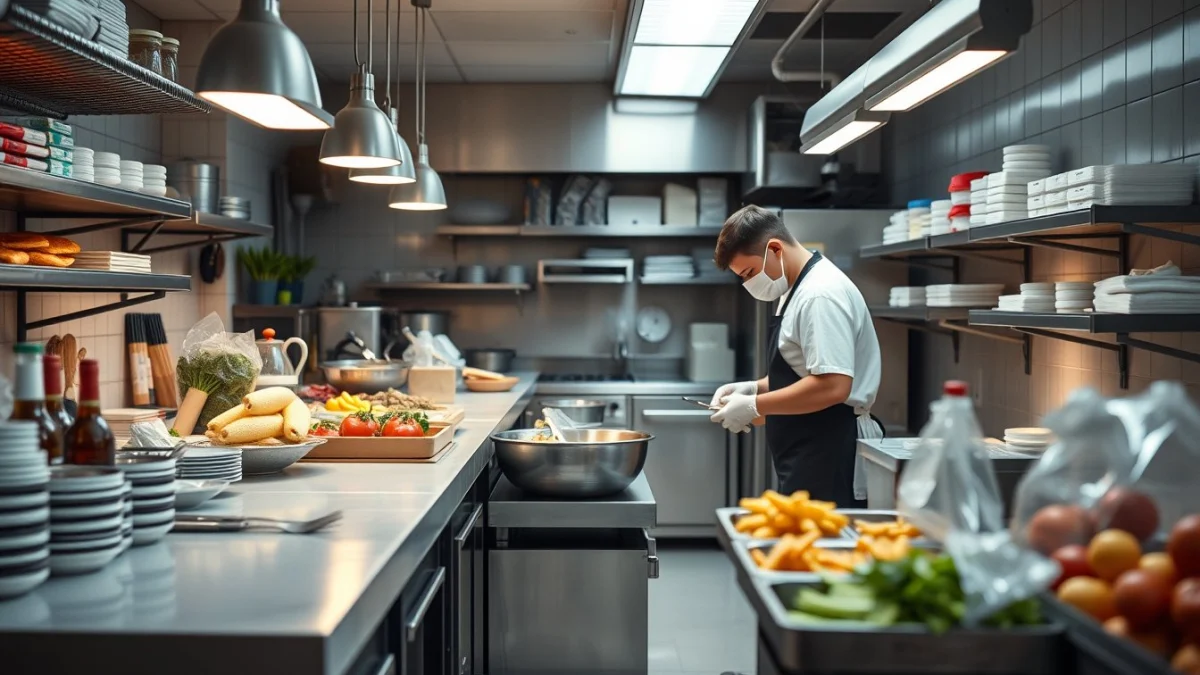
Have clear zones in your kitchen for raw and cooked food preparation. Label your cutting boards and store raw meat on the bottom shelf of the fridge to avoid drips onto other foods.
Wash fruits and vegetables well before use and use clean gloves or utensils when handling ready-to-eat food. Change gloves between tasks, and never touch your face or hair while preparing food.
Keep hot foods hot and cold foods cold. Store raw meat and cooked foods at correct temperatures to slow bacterial growth. Use a first-in, first-out (FIFO) system to manage stock expiry dates effectively.
Common Mistakes That Lead to Cross-Contamination and How to Avoid Them
One of the biggest mistakes is neglecting handwashing or not washing hands at the right times. Always wash hands before starting work, after handling raw foods, and after any interruption like touching money or using a phone.
Using the same cloth or sponge to clean everything without sanitising is another risk. Replace cleaning cloths daily or change them between cleaning different areas.
Storing raw and cooked foods together or not properly separating them can easily spread bacteria. Always store raw meat separately on the bottom shelf in sealed containers.
Ignoring food safety problems like pest sightings or broken equipment can create an unsafe environment. Report and deal with these issues quickly to keep food safe.
Where to Learn More About Food Safety and Hygiene
Proper food safety knowledge helps prevent illness and keeps your workplace safe. If you want clear, practical training on food safety, personal hygiene, cleaning, and local rules, consider taking a free online Food Safety and Hygiene Certificate Course in South Africa. This course is designed for beginners and covers everything you need to know to work safely with food.
Start learning the right steps today by signing up at this free online course.