Quick Answer
Health and safety committees in South African workplaces are teams made up of workers and management who meet regularly to spot and fix safety risks. They help make sure workplaces follow health and safety laws and support safer work environments by reviewing incidents, inspecting hazards, and communicating safety rules.
If you’re new to workplace safety or want a straightforward look at how safety committees work in South Africa, it helps to understand their role. Knowing this can make you feel confident about speaking up for safety and knowing what your rights and duties are at work.
What Are Health and Safety Committees?
Health and safety committees are groups set up in workplaces to help manage risks and keep employees safe. South African law — specifically the Occupational Health and Safety Act (OHS Act) — requires some workplaces to have these committees. They usually include worker representatives and management who meet often to talk about safety hazards, accidents, and ways to improve the workplace.
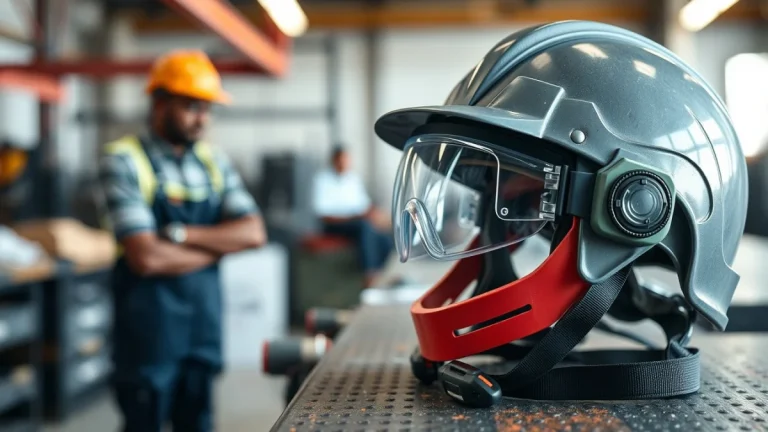
The main job of these committees is to get both employees and employers working together to fix safety problems. This can be anything from checking that machinery is safe, to making sure everyone knows how to use protective gear properly.
Who Is Involved and How Often Do They Meet?
Workplace safety committees typically have employee safety reps, managers, and sometimes safety specialists if the work is risky. Employee reps should be trained to understand how the safety laws apply to the job. The committee usually meets every month or every few months depending on workplace size and risks.
During these meetings, they look at reports about accidents or near misses, inspect work areas for hazards, and plan how to fix any problems found. Keeping clear records of these meetings and actions is important for following OHS rules.
What Do Safety Committees Actually Do?
Health and safety committees do several practical tasks. They prepare safety meeting agendas, keep notes on what was discussed, and follow up on fixing issues. They also encourage workers to report unsafe conditions and work with management to investigate accidents.
By running toolbox talks or training sessions, safety reps help everyone stay aware of hazards and safe work practices. They also keep safety documents and checklists updated to track how well the workplace is managing risks.
Common Challenges and How to Avoid Them
Some common problems with health and safety committees include not meeting often enough, poor communication, and management not acting on issues raised. Another challenge is when safety reps don’t know their roles well, which can hurt trust and effectiveness.
To avoid this, workplaces should ensure reps get proper training and meetings have clear agendas and follow-ups. Everyone involved needs to take safety seriously and keep each other informed.
Why Training Helps You Do This Better
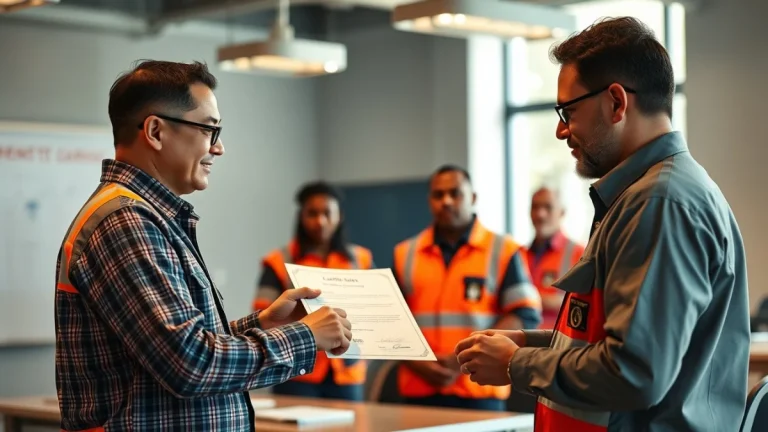
Taking a free Health and Safety Representative Certificate Course can help you get a clear understanding of how committees work and what your safety role involves. This training covers how to spot hazards, carry out inspections, and understand the safety laws. It makes it easier for you to be an effective voice for safety at work.
If you want to learn more, EduCourse offers a free Health and Safety Representative Certificate Course that can get you started on the right foot.