Quick Answer
Foodborne illnesses happen when you eat food or drink liquids contaminated by bacteria, viruses, parasites, or chemicals. Common signs include nausea, vomiting, diarrhea, and fever. You can avoid getting sick by practising good personal hygiene, cooking food properly, storing it safely, and keeping your kitchen clean. These habits are especially important for anyone working in food handling or serving in South Africa.
It’s normal to worry about making mistakes when handling food, especially if you’re new in the kitchen or starting a food business. Learning basic food safety steps helps you protect yourself, your family, and your customers from food poisoning and its serious effects.
What Causes Foodborne Illnesses?
Foodborne illnesses, often called food poisoning, come from eating or drinking things contaminated with germs or harmful substances. This contamination can happen anywhere—from the farm to your plate. Here are the main causes:
- Bacteria and Viruses: These include germs like Salmonella, E. coli, and Norovirus, which grow when food is not cooked or stored properly.
- Parasites: Tiny organisms found in raw or undercooked meat, fish, or contaminated water.
- Chemical Contamination: Chemicals such as cleaning agents, pesticides, or food additives accidentally get into food.
- Cross-Contamination: Happens when raw foods transfer germs to cooked or ready-to-eat food through shared utensils, surfaces, or hands.
- Poor Hygiene: Handling food without washing hands or using dirty equipment spreads germs easily.
In South Africa, preventing contamination is especially important in workplaces and informal food markets where hygiene practices may be lacking. Understanding these risks helps keep food safe for everyone.
Common Symptoms to Watch For
Food poisoning symptoms usually start within hours or a few days after eating contaminated food. They can range from mild to severe. The most common signs are:
- Nausea and vomiting
- Diarrhea
- Stomach cramps
- Fever
- Fatigue and weakness
Some cases clear up quickly, but serious symptoms need medical help — especially for children, pregnant women, older adults, and people with weak immune systems. If symptoms include bloody diarrhea, dehydration, or high fever, see a doctor immediately.
How To Prevent Foodborne Illnesses
Keeping food safe is a step-by-step process. Here’s what to do:
- Wash Hands Often: Always wash with soap and water before handling food, after using the bathroom, and after touching raw meat.
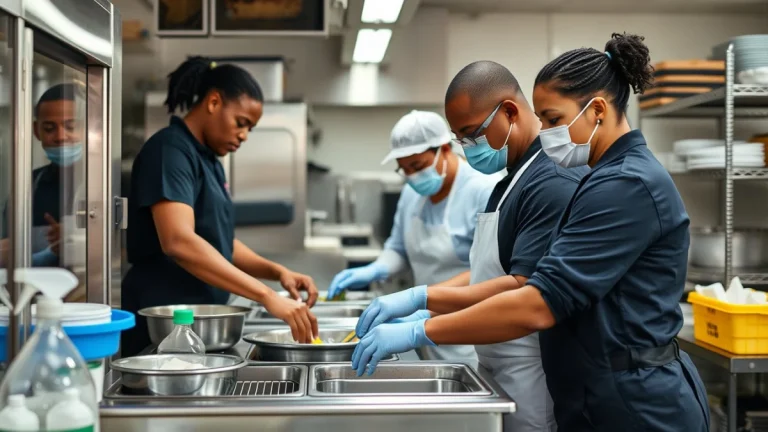
- Keep Work Areas Clean: Sanitize surfaces and utensils regularly to stop germs spreading.
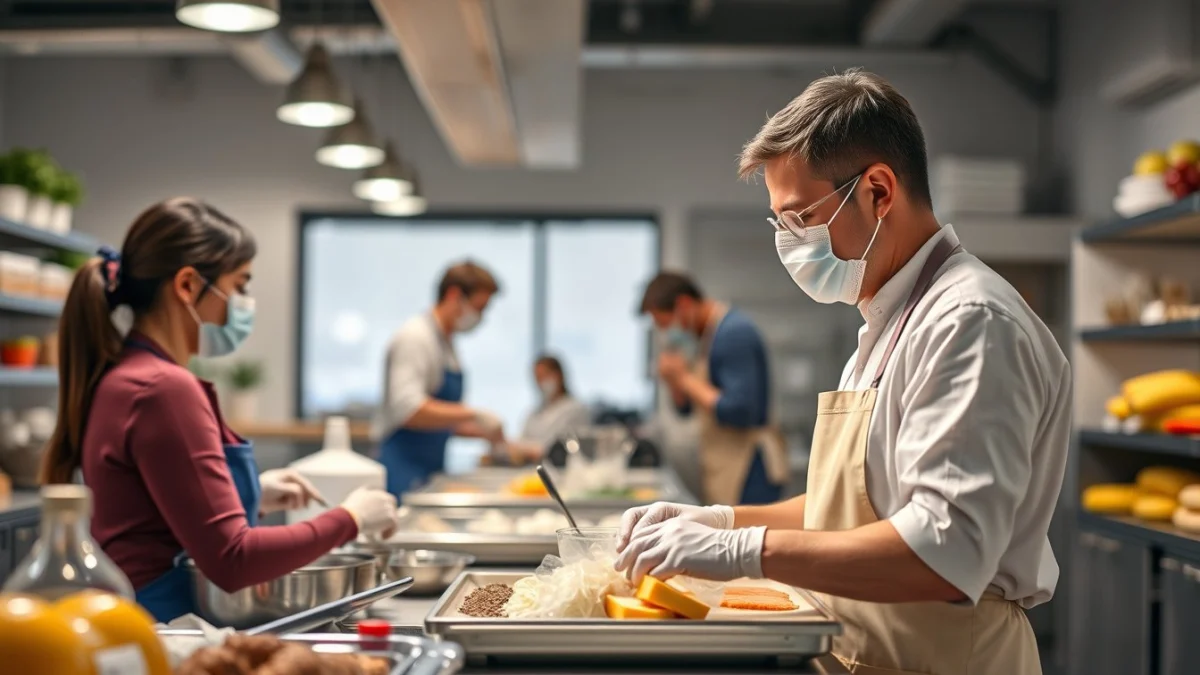
- Separate Raw and Cooked Foods: Use different cutting boards and knives for raw meat and vegetables or ready-to-eat foods.
- Cook Food Thoroughly: Make sure food reaches safe internal temperatures to kill harmful germs.
- Store Food Properly: Keep perishable items refrigerated below 5°C and freeze leftovers quickly. Use older food items first and check expiry dates.
- Control Pests and Waste: Dispose of food waste carefully and keep bins covered to prevent rodents and insects.
Following these steps can dramatically reduce your chance of getting or passing on foodborne illnesses.
Food Safety at Work and Home
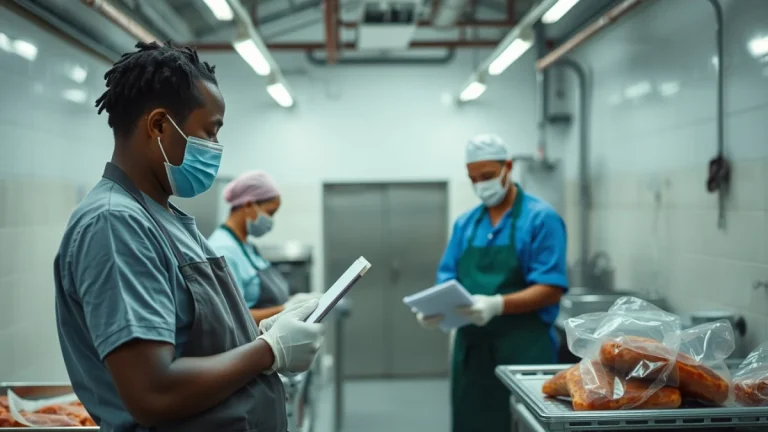
In South African workplaces, following food safety laws and hygiene rules protects everyone’s health. Whether you are working in a restaurant, factory, or informal food stall, knowing your duties and practising good food hygiene can prevent outbreaks. Personal hygiene, reporting risks, and cleaning schedules are all important parts of safe food handling.
If you are new to food safety, taking a beginner-friendly course can boost confidence and show you exactly what to do. For example, the free online Food Safety and Hygiene Certificate Course covers all the basics and helps you practise safer food habits every day.
Staying safe isn’t complicated: it just takes the right info and a little care in the kitchen or at work.