Quick Answer
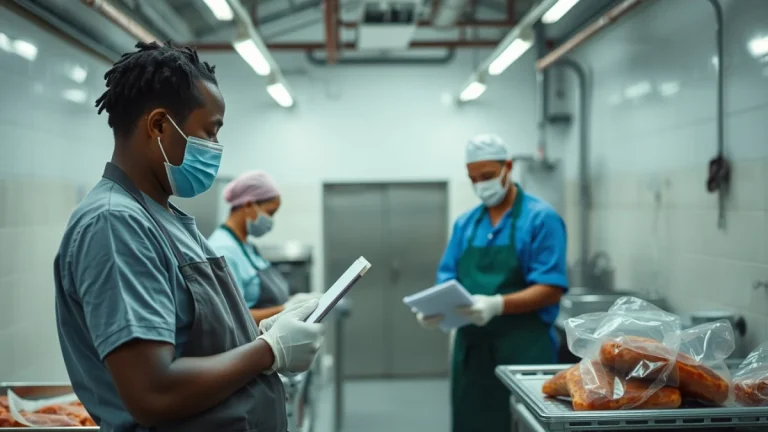
Keeping food safe and hygienic in restaurants or small food businesses starts with simple, everyday habits: washing hands properly, storing food at the right temperatures, avoiding cross-contamination, and cleaning surfaces regularly. These actions prevent food poisoning, keep customers healthy, and ensure your business meets South African food safety rules.
If you’re new to food handling or managing a small food business in South Africa, it can feel tricky to know where to start. This guide shares clear, practical food safety advice that meets local workplace needs and helps build customer trust without complexity.
Why Food Safety and Hygiene Matter
Food safety is about stopping harmful germs or chemicals from getting into food. Without good hygiene, bacteria, viruses, pests, or toxins can contaminate food and cause foodborne illness. This not only risks customer health but can also damage your reputation and lead to legal trouble in South Africa.
Hygiene includes more than just clean surfaces – it means safe food handling, personal cleanliness of staff, proper storage, and regular cleaning. All businesses that prepare or sell food have a responsibility to keep these standards – even small restaurants and catering services.
Basic Food Safety Tips for Everyday Use
Starting with simple habits helps prevent common mistakes. Here are key steps to follow:
- Wash hands often: Before handling food, after touching raw meat, or after any break in food prep, use soap and warm water for at least 20 seconds.
- Separate raw and cooked foods: Use different cutting boards, knives, and plates to avoid cross-contamination.
- Cook food fully: Use a food thermometer where possible. Chicken should reach at least 75°C, while reheated foods should be piping hot.
- Store food safely: Keep cold food at 5°C or below and frozen at -18°C or lower. Use FIFO (first in, first out) to rotate stock and check expiry dates.
- Keep work areas clean: Clean surfaces, utensils, and kitchen tools frequently. Sanitise with appropriate chemicals to kill bacteria missed by cleaning alone.
- Protect food: Cover food to prevent pests and avoid storing food on floors or next to walls where pests can hide.
Common Food Safety Challenges in Small Businesses
Many small food businesses in South Africa struggle with consistent hygiene because of limited time or knowledge. Common problems include:
- Not washing hands enough or properly.
- Mixing raw and cooked foods on the same surfaces or equipment.
- Ignoring temperature controls on fridges and freezers.
- Lack of regular cleaning schedules and checklists.
- Insufficient food safety training for all staff.
Addressing these challenges is crucial. Developing simple routines and training your team helps improve safety, lower risks, and build customer confidence.
How to Keep Improving Your Food Safety
Food safety isn’t a one-time effort—it needs ongoing attention. Consider these steps:
- Regular training: Refresh your staff’s skills with food safety courses focused on South African regulations and common risks.
- Check and record: Keep daily logs of fridge temperatures and cleaning completed.
- Use visual reminders: Posters on handwashing and cleaning help keep safety top of mind.
- Periodic reviews: Do spot checks to find weak spots and fix them quickly.
For beginners, a structured online course is a great way to learn these habits at your own pace. EduCourse offers a free Food Safety and Hygiene Certificate Course designed for learners in South Africa, covering practical steps to keep your food safe and compliant.
Enrol in the free EduCourse Food Safety and Hygiene Certificate Course to get clear training on safe food handling, contamination prevention, and legal food safety requirements you can apply right away.