How to Create a Safe Home for Someone Living with Dementia
If you’re caring for a loved one or working with someone with dementia, knowing how to create a safe and supportive home environment is a must. A safe home means reducing risks of falls, confusion, and distress while promoting comfort and independence. This blog breaks down the key steps, practical tips, and common mistakes when setting up a dementia-friendly household — and makes the idea real for anyone new to caregiving.
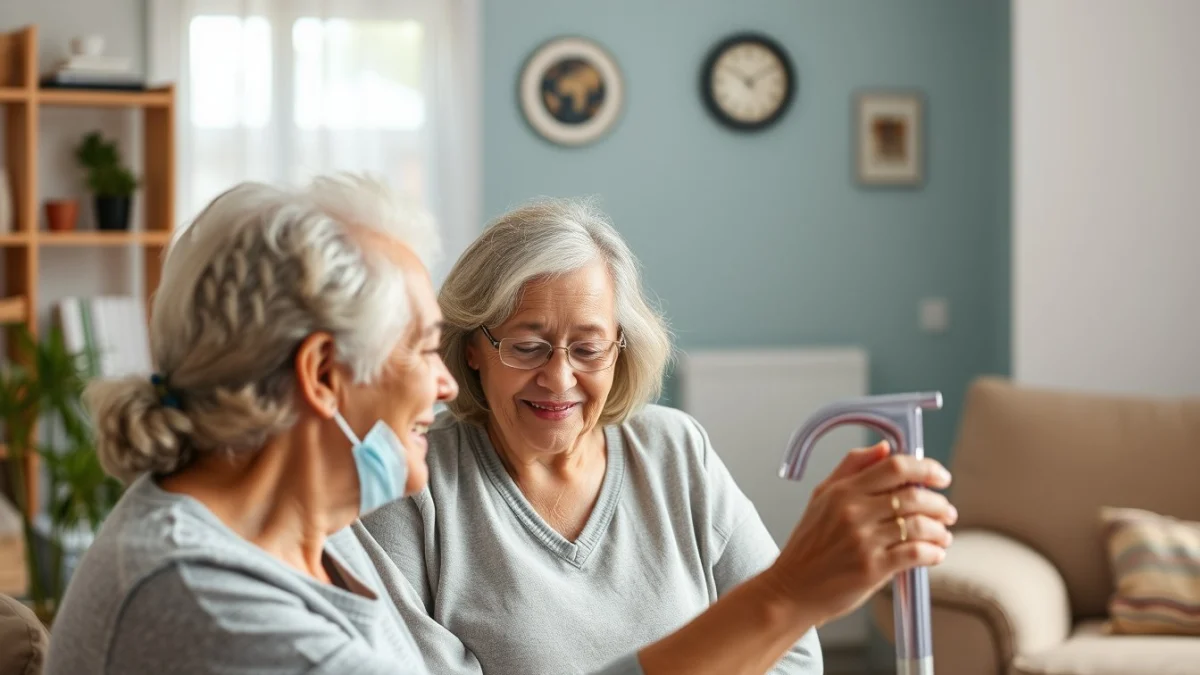
Many beginners worry about how much needs to change and whether they’ll spot every hidden danger. In South African homes, caregivers often juggle this task with job pressures and limited resources. One common slip is focusing only on obvious hazards like slippery floors but missing how clutter or poor lighting sparks confusion and accidents. Knowing what really matters can ease stress and improve care outcomes fast.
What It Means to Have a Safe Dementia-Friendly Home
A dementia-safe home lets the person move around without getting hurt or anxious. This isn’t just about safety locks and railings, but also about creating a calm, familiar space that reduces frustration. For example, clear pathways, good lighting, and easy-to-understand signs or labels help keep disorientation at bay.
Practically, this involves adapting rooms, furniture, and daily routines to changing needs. A carefully arranged environment can delay problems like wandering or falls and make daily tasks like dressing or eating easier. This is especially important in South Africa, where many families care for elderly relatives at home rather than relying on full-time facilities.
Key Elements of a Dementia-Friendly Home
1. Clear and Safe Layouts
- Remove clutter and unnecessary furniture that could cause tripping or confusion
- Ensure floor surfaces are even and non-slip
- Create obvious walking paths, avoiding dead ends
2. Good Lighting and Contrast
- Use bright lighting throughout, especially in hallways and bathrooms
- Reduce glare and shadows, which can be confusing
- Use contrasting colours to highlight important features like door frames or chairs
3. Easy-to-Use Fixtures and Labels
- Label cupboards, drawers, and switches clearly, ideally with pictures
- Choose handles and taps that are simple to operate
- Install night lights in bedrooms and bathrooms
4. Safe Bathroom and Kitchen Areas
- Place grab rails near toilets and in showers
- Remove sharp objects and keep hazardous cleaning products locked away
- Use appliances with simple controls or consider assisted technologies
5. Comfortable and Familiar Spaces
- Keep familiar furniture and personal items visible
- Create quiet zones to reduce noise overload
- Maintain a regular layout to avoid confusion
What This Looks Like in a South African Home or Workplace
Imagine a caregiver working at a community centre or small clinic. They notice a resident with early-stage dementia keeps trying to leave unsupervised, risking injury in busy areas. After an assessment, they recommend changes at the resident’s home: better lighting in corridors, locks on cupboards with chemicals, and pictorial labels on kitchen cupboards. They also train the family on keeping pathways clear and offering gentle reminders for daily tasks. At home, a family might rearrange furniture to create clear routes, use coloured tape to mark edges on stairs, and add clocks with clear dates to help orientation. These small but thoughtful changes reduce the caregiver’s anxiety and the patient’s confusion, making everyday life safer.
Common Beginner Mistakes When Creating Dementia-Safe Spaces
- Overlooking small hazards: Things like loose rugs, exposed cords, or uneven thresholds are easily missed but cause many falls.
- Changing too much at once: Sudden changes can increase anxiety. It’s better to adjust gradually.
- Ignoring sensory needs: Failing to control noise levels or lighting can worsen agitation.
- Not involving the person with dementia: Excluding them from decisions often results in frustration and resistance.
- Neglecting caregiver needs: Burnout happens fast if caregivers don’t also plan for their own rest and support.
Practical Tips for Beginners Starting Dementia Care at Home
- Start by walking through the home from the patient’s perspective. Look for obstacles or confusing areas.
- Talk calmly with the person about changes—they’ll feel more in control if included.
- Use simple labels with pictures—this works well even when verbal memory fades.
- Keep routines predictable but flexible for mood or energy shifts.
- Set aside quiet spaces to retreat from noise or over-stimulation.
- Ask other family or professional caregivers for advice on tricky safety issues.
FAQs About Creating a Dementia-Safe Home
How can I prevent falls for someone with dementia at home?
Should I lock all doors to prevent wandering?
How do I keep familiar items safe yet accessible?
What’s the best way to handle confusion about rooms or directions?
Wrapping Up
Creating a safe home environment for someone living with dementia is about balancing safety with dignity and comfort. Simple changes in lighting, clutter control, and familiar layout design can make a big difference. Remember, starting small and involving the person with dementia helps build a supportive space that works for everyone. If you want to learn more about dementia care and gain practical skills you can apply at home or the workplace, check out the Free Dementia Care Course with Certificate in South Africa. It’s designed for beginners and offers clear guidance on everyday care challenges.