
Upselling and cross-selling in retail
How Upselling and Cross-Selling Help in Retail
Upselling and cross-selling in retail are important ways to increase sales and improve customer satisfaction. These are smart sales techniques that help customers find better or additional products while you make more sales.
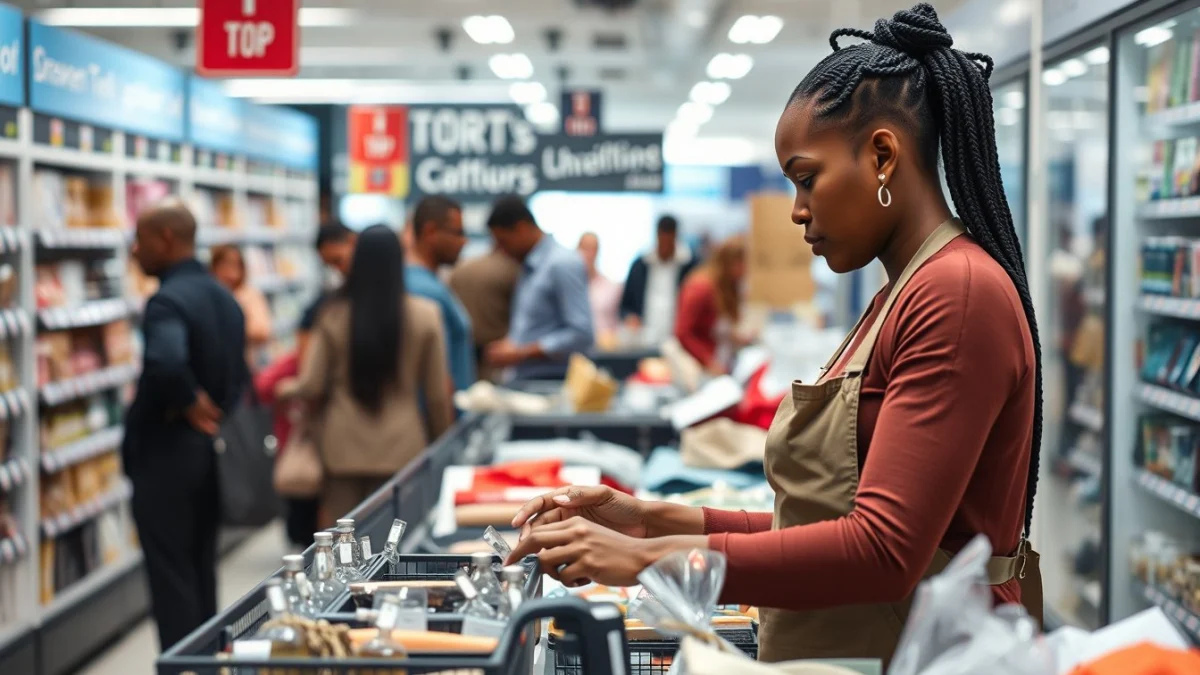
Upselling is when you encourage a customer to buy a more expensive version of the product they want. For example, if a customer wants a basic phone, you suggest a phone with more features. Upselling is about showing the added value and benefits of the better product.
Cross-selling means offering related or complementary products that go well with the item the customer wants. If a customer buys a laptop, cross-selling would be suggesting a laptop bag, mouse, or software. Cross-selling helps customers get everything they need in one visit.
Benefits of Upselling and Cross-Selling
- Increase sales: More and better products sold means higher profits.
- Improve customer experience: Customers discover useful products they may not know about.
- Build customer loyalty: When customers find the right products, they come back.
- Efficient use of time: Both the sales assistant and customer save time by buying more in one interaction.
To do upselling and cross-selling well, listen to your customer’s needs. Ask questions like: “Are you looking for something with more features?” or “Would you like to see accessories that go with this product?” Always be helpful and honest. Don’t push products that the customer doesn’t need.
Use simple language to explain the benefits. For example, say: “This phone has a longer battery life, so you can use it all day.” Or “This case protects your phone from scratches and falls.” Clear explanations make it easier for customers to make decisions.
Remember, upselling and cross-selling should feel like helpful advice, not pressure. When customers trust you, they are more likely to buy more and come back again.
Live Scenario • Active Situation
You are a staff member dealing with Upselling and cross-selling in retail during a live workplace situation.
There is no single perfect answer. Choose what you would do in this situation.
