
Skills to succeed as a rehabilitation support assistant
Key Skills for a Successful Career as a Rehabilitation Support Assistant
Skills to succeed as a rehabilitation support assistant are essential for helping clients recover and improve their quality of life. This role requires a mix of practical, interpersonal, and organisational skills to support therapists and assist patients effectively.
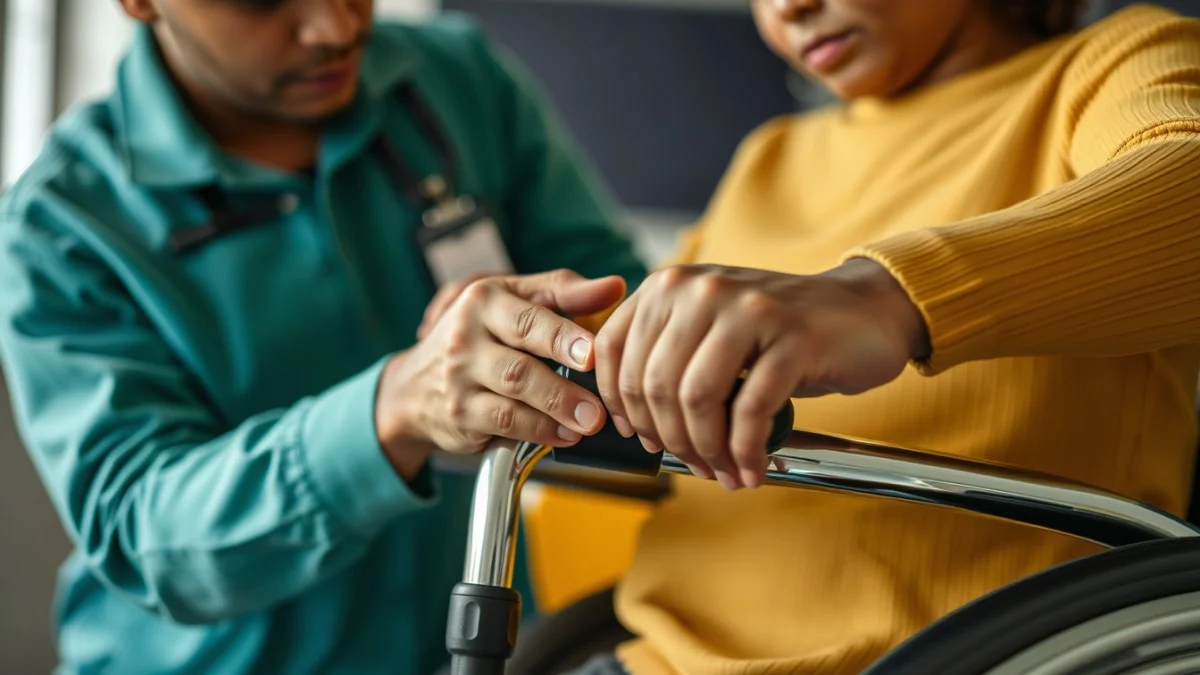
First, good communication skills are vital. You must clearly understand instructions from therapists and explain exercises or activities to clients in a way they can easily follow. Listening carefully helps to identify client needs and concerns, which is important for providing the right support.
Patience is another important skill. Rehabilitation can take time, and clients may face frustration or slow progress. Staying calm and encouraging clients helps to keep them motivated and on track with their recovery plans.
Basic healthcare knowledge is needed. You should understand common disabilities, injury types, and safe practices when assisting clients. This reduces risks and ensures that the care you provide is both safe and effective.
Physical fitness and coordination are useful because your work might involve helping clients with exercises, moving or lifting them safely, and handling rehabilitation equipment. Being physically able helps you perform these tasks without strain or injury.
Other important skills include:
- Teamwork: Working well with therapists, nurses, and other carers is important for a smooth rehabilitation process.
- Organisational skills: Keeping track of schedules, appointments, and client progress is part of the job.
- Problem-solving: You may need to adapt activities to suit different client abilities or find new ways to motivate clients.
- Empathy: Understanding and caring for clients’ feelings helps build trust and comfort.
- Time management: Balancing multiple clients and tasks during the day requires good planning.
Developing these skills will prepare you for the varied challenges of the rehabilitation support assistant role. They also improve your chances of career growth within healthcare settings.
In summary, the skills to succeed as a rehabilitation support assistant include clear communication, patience, basic healthcare knowledge, physical coordination, teamwork, organisation, problem-solving, empathy, and time management. Focusing on these will help you provide the best support to clients and work well with your team.
Live Scenario • Active Situation
You are a Rehabilitation Support Assistant at a busy outpatient clinic.
There is no single perfect answer. Choose what you would do in this situation.
