
Recognising common emergencies in rehabilitation
Recognising common emergencies in rehabilitation is an important skill for a Rehabilitation Support Assistant. Knowing what signs to look for and how to respond quickly can save lives and prevent further injury. Emergencies can happen anytime during therapy or daily activities when a person is recovering.
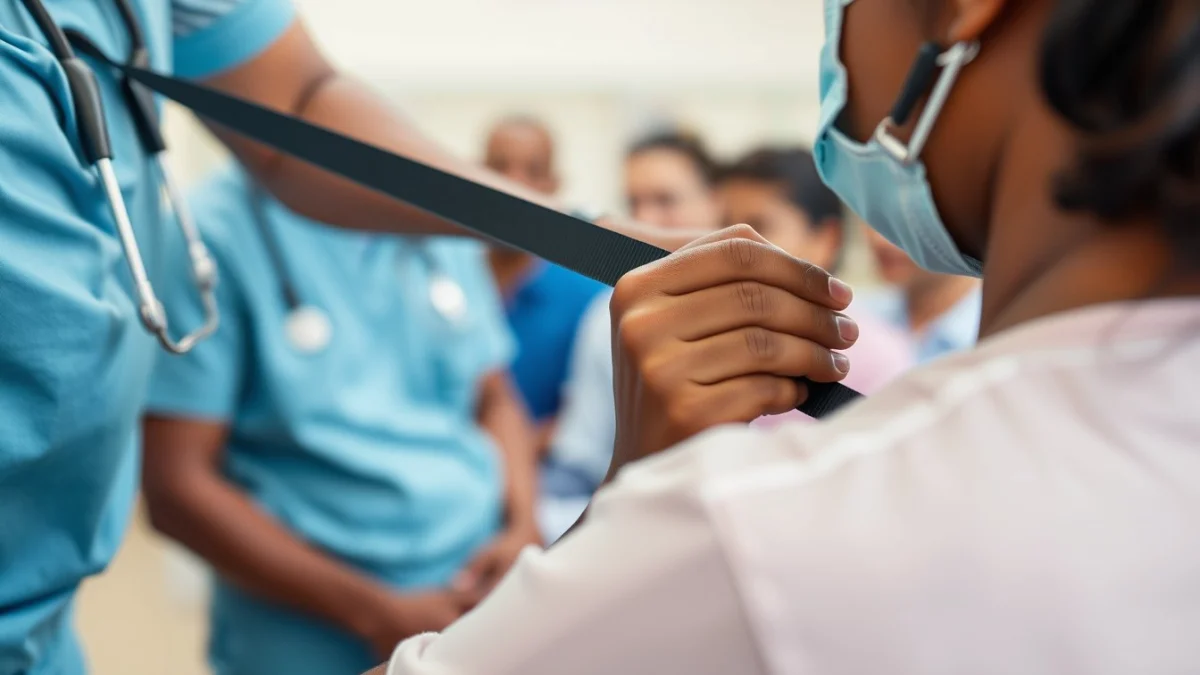
Key Signs of Emergencies During Rehabilitation
When working with patients, you need to watch for sudden changes in their condition. These can indicate a serious problem needing immediate help. Some emergencies happen more often in rehabilitation settings due to physical activity, medication, or previous injuries.
Here are common emergencies you should recognise:
- Falls and injuries: Patients may lose balance or feel weak, resulting in a fall. Look for broken bones, bleeding, or loss of consciousness after a fall.
- Chest pain or breathing problems: These could be signs of a heart attack or lung issue. Sudden shortness of breath, chest tightness, or discomfort must be treated urgently.
- Stroke signs: Sudden weakness on one side, slurred speech, facial drooping, or confusion requires immediate emergency care.
- Seizures: Uncontrolled shaking, loss of awareness, or unusual movements mean the patient needs urgent support and safety measures.
- Severe allergic reactions: Swelling of the face, lips, difficulty breathing, or skin rash can be life-threatening and require prompt action.
- Sudden collapse or unconsciousness: If a patient falls unconscious without warning, call for emergency help immediately.
- Bleeding that won’t stop: Continuous bleeding from a wound needs quick control to prevent shock.
Being alert to these situations helps you react fast and effectively. In rehabilitation centres, early recognition can reduce harm and improve outcomes.
How to Respond When You Recognise an Emergency
Once you identify an emergency, follow these practical steps:
- Stay calm and assess the situation quickly.
- Call for help immediately – contact emergency services or alert a nurse or therapist.
- Offer basic first aid that you have been trained for, such as controlling bleeding or helping someone to breathe.
- Do not move the patient unless they are in danger (e.g., fire or unsafe place).
- Keep talking to the patient to reassure them and monitor their condition until help arrives.
Always remember the importance of your role in recognising common emergencies in rehabilitation. Early detection and correct response can save lives and support better recovery for the patients you assist.
Practise these skills regularly and stay confident in your ability to act swiftly and safely.
Live Scenario • Active Situation
You are a Rehabilitation Support Assistant working with patients recovering from surgery in a rehabilitation centre.
There is no single perfect answer. Choose what you would do in this situation.
