
Basic first aid procedures and techniques
Essential Basic First Aid Procedures and Techniques for Beginners
Basic first aid procedures and techniques are crucial skills to have for anyone, especially if you want to help in emergencies. These skills help you give immediate care before professional medical help arrives. Knowing what to do can save lives and reduce pain or further injury.
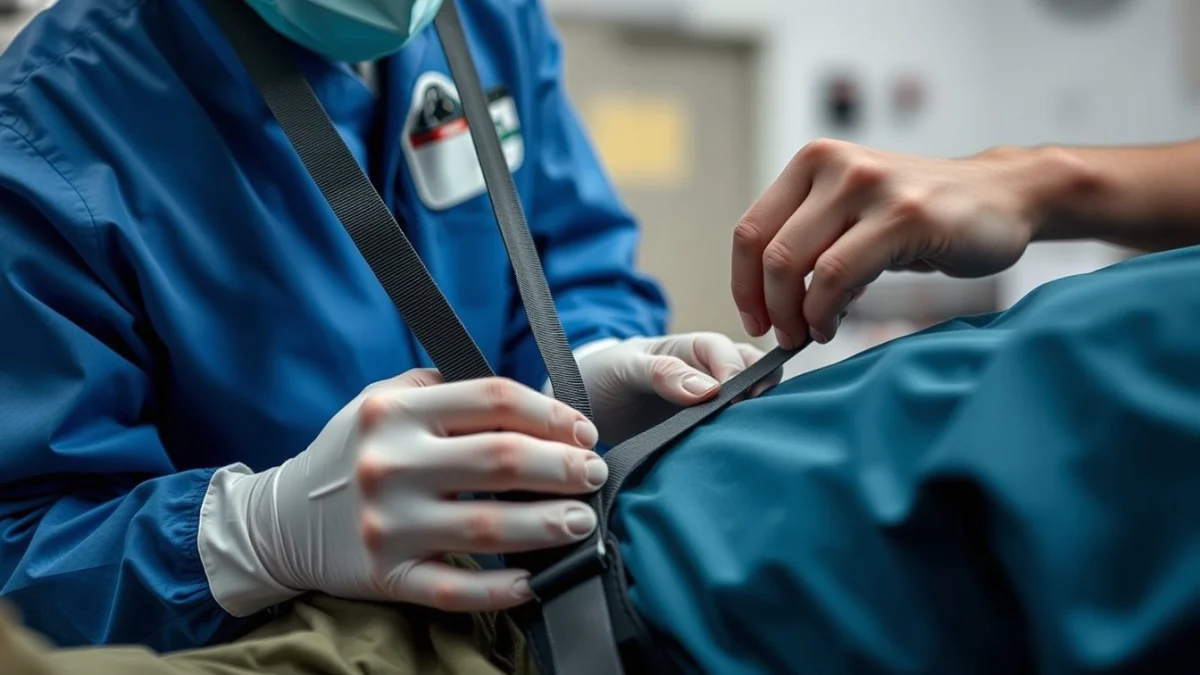
First, always check the safety of the scene. Make sure it is safe for you and the victim before you approach. If it is unsafe, wait for help. When safe, quickly check the person’s condition. Ask if they are okay or if they need help.
Next, follow the “DR ABC” steps, a simple guide to basic first aid:
- D – Danger: Look out for dangers around the scene.
- R – Response: Try to get a response from the person. Talk or gently shake their shoulder.
- A – Airway: Open the airway by tilting the head back slightly and lifting the chin.
- B – Breathing: Check if the person is breathing normally. Look, listen, and feel for breaths.
- C – Circulation: If the person is not breathing, begin CPR if you are trained.
For bleeding, apply pressure directly to the wound with a clean cloth or bandage to stop bleeding. Elevate the injured part if possible and keep the person calm.
For burns, cool the area with clean, cool water for at least 10 minutes. Do not apply ice, creams, or oils. Cover the burn loosely with a sterile dressing or clean cloth.
If someone is choking and cannot breathe, cough, or speak, encourage them to cough. If that doesn’t work, perform the Heimlich manoeuvre (abdominal thrusts) if you know how.
In case of fractures or sprains, keep the injured area still. Use a splint or support to prevent movement. Do not try to realign bones. Apply ice to reduce swelling if possible.
Always call for emergency medical help when a person is unconscious, has severe bleeding, serious burns, broken bones, or difficulty breathing. Stay with the person and offer reassurance until help arrives.
Remember these key points:
- Stay calm and act quickly.
- Use gloves or barrier protection if available to avoid contact with blood.
- Do not give food or drink to an injured or unconscious person.
- Keep the person warm and comfortable.
- Learn CPR and basic first aid from a recognised course.
Basic first aid procedures and techniques are simple but powerful tools. They help you provide the right care in emergencies, making a big difference before professional help arrives.
Live Scenario • Active Situation
You are a Rehabilitation Support Assistant working in a busy clinic.
There is no single perfect answer. Choose what you would do in this situation.
