Why Communication Skills Matter for Disability Support Workers
Communication is at the heart of effective disability support. Whether helping someone with daily tasks or providing emotional comfort, knowing how to communicate clearly makes a real difference. If you’re looking to join this field, a free disability support course with certificate in South Africa will teach you these vital skills.
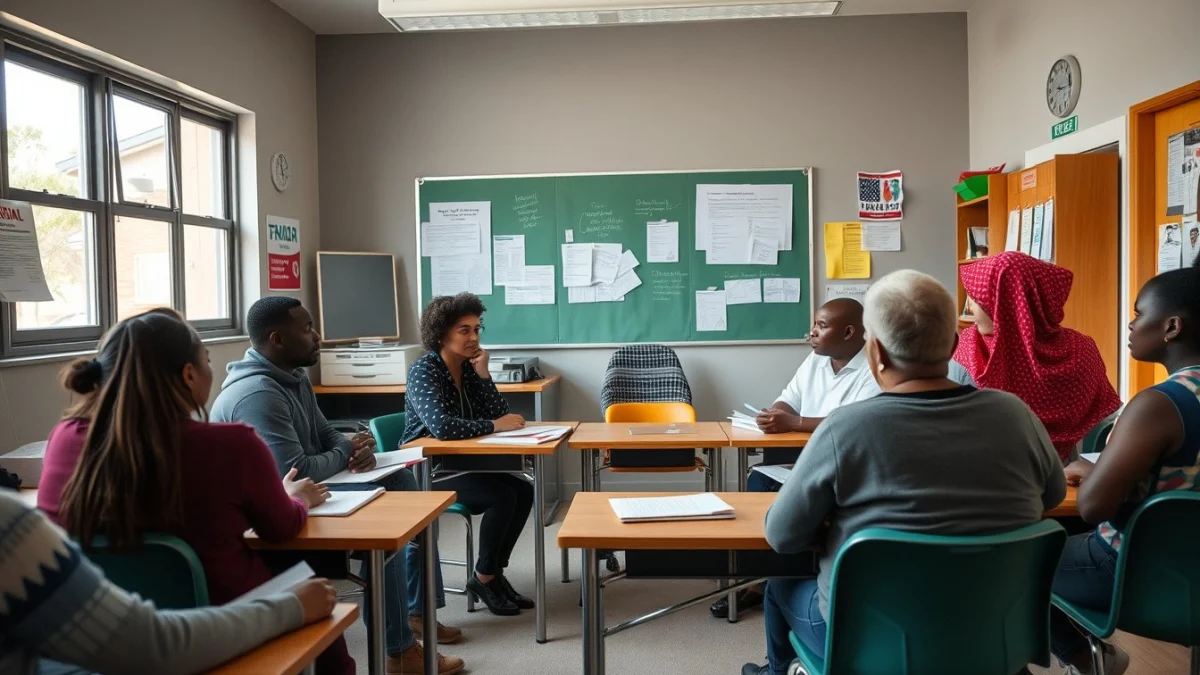
A common challenge for beginners is knowing how to connect beyond words — reading body language, using assistive tools, and building trust. In South African care settings, misunderstandings can cost valuable time or even harm client wellbeing. For example, a caregiver who misses signs of discomfort because they don’t understand non-verbal cues might fail to prevent a fall or distress.
What Communication Skills Disability Support Workers Need
Good communication for disability support involves much more than talking. It means:
- Listening actively: Hearing and understanding both spoken words and non-verbal cues.
- Clear verbal expression: Using simple language, tone, and pace suited to each client’s needs.
- Non-verbal communication: Body language, eye contact, gestures, and facial expressions that show respect and attentiveness.
- Assistive communication tools: Using devices or methods like sign language, picture charts, or speech aids to overcome barriers.
- Building rapport: Creating a trusting relationship so clients feel safe and valued.
Every day in a workplace, you’ll switch between these modes depending on the client’s ability and mood. It’s not just about speaking clearly — it’s about being flexible and sensitive.
How Communication Supports Daily Duties
Disability support workers use communication skills constantly to:
- Explain tasks or instructions so clients understand and cooperate.
- Notice discomfort, pain, or emotional distress through subtle signs.
- Respond calmly to frustration or anxiety, reducing stress.
- Coordinate with colleagues and family to deliver consistent care.
- Encourage client independence by using clear, supportive language.
For example, when assisting with dressing, a caregiver uses gentle verbal prompts and watches for signs of discomfort. If the client uses a communication board, the worker helps interpret it patiently. Without these skills, the client may feel ignored, embarrassed, or unsafe.
Common Misunderstandings About Communication in Disability Work
Many beginners think communication is just “talking louder” or repeating instructions. This is a mistake. Here’s why:
- Overusing speech: Some people with disabilities might find loud or rapid speech overwhelming. Better to use simple words and slow pace.
- Ignoring body language: Clients may express needs or feelings through gestures or facial expressions instead of words.
- Relying only on verbal tools: Not all clients can hear or speak — assistive devices and alternative communication methods are essential.
- Assuming understanding: Just because someone doesn’t say they don’t understand doesn’t mean they do.
Failing to grasp this can lead to miscommunication, frustration, and even health risks. Knowing when and how to adapt your communication approach matters.
A Realistic Disability Support Workplace Scenario
Imagine supporting a client with limited speech and cognitive challenges. You need to help them eat safely. Verbal instructions alone won’t work. You must:
- Use visual cues, like showing utensils or pointing to food.
- Observe facial reactions for signs of choking or discomfort.
- Encourage small bites and pause often, using hand signals or a communication device.
- Remain patient and calm, offering reassurance silently or softly spoken.
- Check in regularly with family or therapists to adjust your methods.
This example shows that communication is both art and skill — beyond words, it’s about connection, safety, and trust.
Practical Tips for Beginners in Disability Support Communication
- Start simple: Use clear, short sentences and confirm understanding by asking yes/no questions.
- Be patient: Give clients time to respond, and don’t rush interactions.
- Learn about assistive tools: Familiarise yourself with communication boards, sign language basics, or voice output devices common in South Africa’s care settings.
- Watch non-verbal cues: Look for body posture, facial expression, and eye contact to sense needs or discomfort.
- Respect privacy: Some clients may not want to communicate openly—learn when to give space but stay attentive.
Frequently Asked Questions
What are assistive communication tools, and why are they important?
How can I build trust quickly with clients who have communication difficulties?
Why can communication misunderstandings happen even with experienced caregivers?
Is verbal communication always necessary in disability support?
Building Your Skills with a Free Disability Support Course
If you want practical training on all aspects of disability support communication, consider enrolling in a free disability support course with certificate in South Africa. This will guide you through effective verbal and non-verbal techniques, assistive communication tools, and real workplace scenarios — all at your own pace online.
Developing these skills improves client care and opens pathways to roles in community services, healthcare, and more. For those new to caregiving, proper communication training helps avoid early burnout caused by frustration and misunderstandings.
See more about this course and how it can prepare you for real-life disability support work here.