Quick Answer
Common workplace hazards include slips, trips, chemical exposure, and biological risks that can cause injury or illness. To prevent them, you need to spot these hazards early, assess the risk, and apply safety measures like engineering controls and personal protective equipment. Doing this helps keep everyone safe on site and meets South African safety requirements.
If you’re new to workplace safety, knowing how to identify and prevent hazards can feel tricky. But in South Africa, where workplaces vary from offices to factories and construction, gaining these skills is key to keeping yourself and your team protected every day.
What Are the Most Common Workplace Hazards?
Workplace hazards fall mainly into three groups: physical, chemical, and biological. Physical hazards include risks like wet floors causing slips, unguarded machinery causing injuries, or working at heights without fall protection. Chemical hazards come from things like solvents, dust, or fumes that can harm your skin or lungs. Biological hazards involve bacteria or viruses, which are often a concern in healthcare or food industries.
Each workplace has its own challenges. In offices, hazards might be poor ergonomics or tangled electrical cords. On construction sites, falling objects, moving machinery, and uneven ground are common dangers. Factories often deal with noise, chemicals, and machine safety. Recognising these hazards is the first step to stopping accidents before they happen.
How to Prevent Hazards in Your Workplace
Start by doing a careful walk-through of the workspace to identify any potential dangers. Once you know what the hazards are, assess how likely they are to cause harm and how severe that harm could be. This risk assessment guides what safety steps to take next.
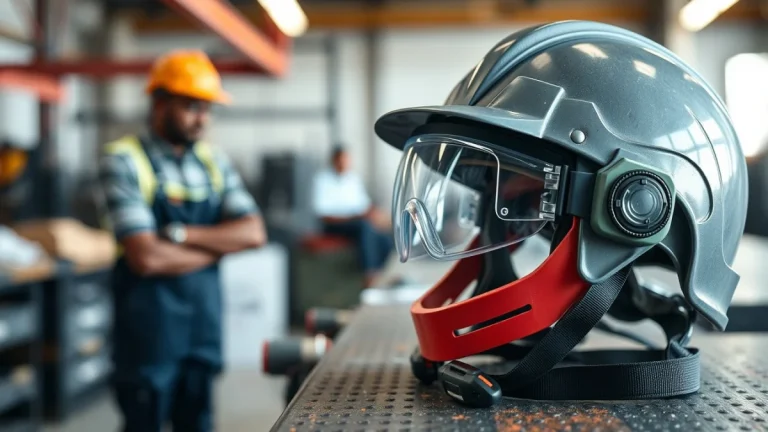
Use the hierarchy of controls to decide your approach. First try to eliminate the hazard completely, for example removing a dangerous chemical. If that’s not possible, see if you can substitute it for something safer. Engineering controls like ventilation systems or machine guards come next. Administrative controls include rules, training, and signage. Lastly, personal protective equipment (PPE) like gloves or helmets should be used as a last line of defence.
Keep checking for new hazards with regular inspections and encourage everyone to speak up about safety concerns. Training everyone on hazard recognition and prevention helps build a safer workplace culture.
Examples of Hazard Prevention in Different Workplaces
In construction, using harnesses, guardrails, and safety helmets are must-haves for fall and head injury prevention. Clearly marking hazardous zones and keeping machines well serviced also reduce risks.
Office workers benefit from ergonomic chairs and desks to avoid strain injuries. Proper cable management lowers trip risks, and good lighting prevents eye strain and accidents.
Factories use lockout/tagout procedures to make sure machines are safely switched off before repairs. Industrial workers get safety training to handle chemicals carefully and avoid exposure. Regular safety audits help spot minor hazards, which if ignored, could lead to serious problems.
What Mistakes Should You Avoid When Managing Hazards?
One common mistake is not asking workers for their input during hazard checks. Employees often spot dangers that managers miss. Another error is relying only on PPE without trying to remove or reduce the hazards first.
Failing to update safety policies or risk assessments as conditions change means outdated methods stay in use. Allowing unsafe behaviour, like skipping safety gear, lowers workplace safety for everyone.
Remember, keeping a workplace safe is an ongoing effort that needs everyone’s involvement and regular review.
If you want to get better at spotting and handling workplace hazards, this free risk assessment course with certificate from EduCourse offers a practical introduction that suits South African workplaces.